
Fort & Kala Ghoda: Mumbai's Heritage & Arts Quarter
A walking guide to Mumbai's Fort & Kala Ghoda: UNESCO Gothic and art-deco, art galleries, Irani cafés and the February Kala Ghoda Arts Festival.
'%3E%3Crect%20width%3D'96'%20height%3D'96'%20fill%3D'%23E65100'%2F%3E%3Ccircle%20cx%3D'30'%20cy%3D'24'%20r%3D'44'%20fill%3D'%23fff'%20opacity%3D'.12'%2F%3E%3Ccircle%20cx%3D'60'%20cy%3D'74'%20r%3D'40'%20fill%3D'%23000'%20opacity%3D'.10'%2F%3E%3C%2Fg%3E%3Cg%3E%3Ccircle%20cx%3D'48'%20cy%3D'48'%20r%3D'15'%20fill%3D'none'%20stroke%3D'%23fff'%20stroke-width%3D'3'%2F%3E%3Cpath%20fill%3D'%23fff'%20d%3D'M48%2037%20l3.5%2011%20-3.5%2011%20-3.5%20-11%20z'%2F%3E%3Ccircle%20cx%3D'48'%20cy%3D'48'%20r%3D'2.2'%20fill%3D'%23fff'%2F%3E%3C%2Fg%3E%3C%2Fsvg%3E)
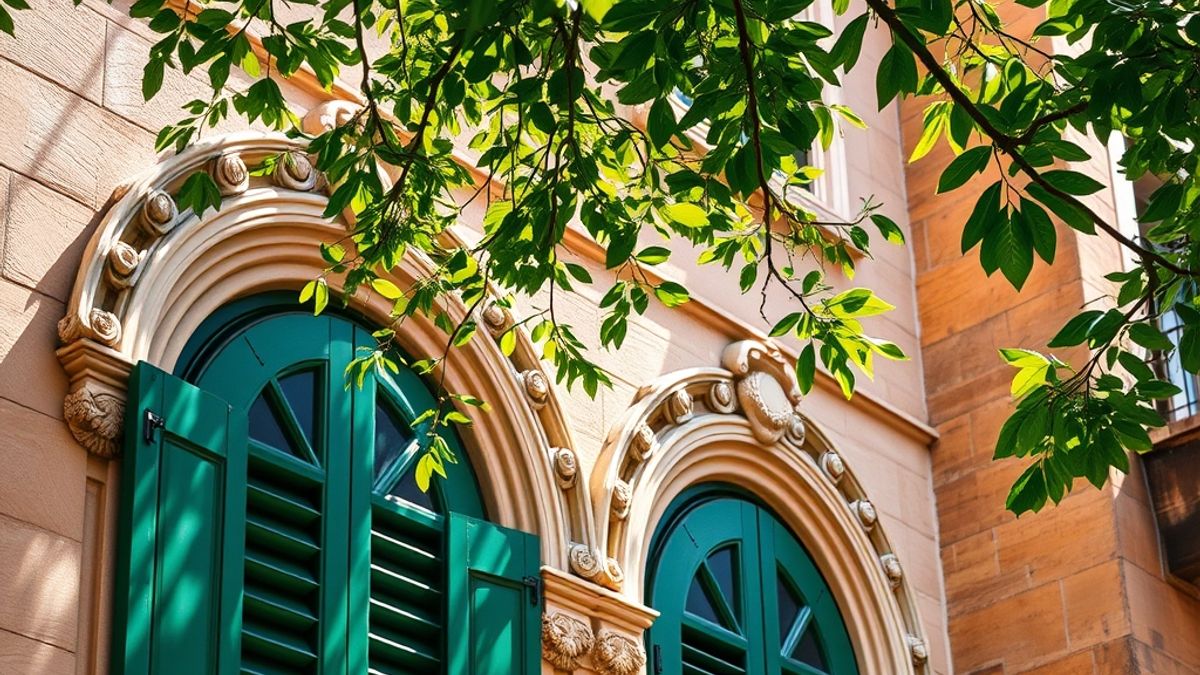
Photo: Pradeep717 · CC BY-SA 4.0 · via Wikimedia Commons
Fort is the old business and civic heart of Mumbai — the district of grand stone banks, colonial libraries and the great Gothic and art-deco buildings that earned the city a place on the UNESCO World Heritage list. Tucked into it is Kala Ghoda, the “black horse” arts precinct: a small crescent of galleries, cafés and restored façades that comes alive each February for one of Asia’s biggest street-art festivals. Put together, they make the single best walking neighbourhood in South Mumbai — dense, shaded in parts, and packed with detail if you slow down enough to notice it. This guide walks you through the layout, the buildings worth stopping for, the galleries, the food, and a route that ties it all together in an afternoon.
| Highlight | Where | Best time | Cost | Good for |
|---|---|---|---|---|
| David Sassoon Library | Kala Ghoda | Daytime, Oct–Mar | Free to look | A quiet, leafy pause |
| Jehangir Art Gallery | Kala Ghoda | ~11am–7pm daily | Free entry | Contemporary Indian art |
| NGMA (Cowasji Jehangir Hall) | Kala Ghoda | Closed Mondays | Nominal fee | Modern-art collections |
| Oval Maidan skyline | Fort / Churchgate edge | Late afternoon | Free | Gothic-vs-deco photos |
| Kala Ghoda Arts Festival | Whole precinct | 31 Jan–8 Feb 2026 | Free | Street art, music, crowds |
| Heritage walk loop | CSMT → Kala Ghoda | Morning, cool season | Free | First-time visitors |
Prices and timings shift, so treat the table as a starting point and confirm anything time-sensitive close to your visit.
Getting your bearings
The whole quarter is small enough to cross on foot in twenty minutes, but it rewards a much slower pace. It helps to hold two ideas in your head before you start.
Fort and Kala Ghoda are not quite the same thing
Fort is the larger district — named for the long-demolished walls of the old East India Company fort — and it stretches roughly from Chhatrapati Shivaji Maharaj Terminus (CSMT) in the north down to the edge of Colaba, and from the harbour on the east to the Oval Maidan on the west. It is a working district of banks, courts, colleges, corporate offices and government buildings, busiest on weekday mornings and noticeably quieter on Sundays.
Kala Ghoda is a compact arts precinct inside Fort’s southern half — essentially the wedge of streets around K. Dubash Marg (still widely called Rampart Row) and the traffic crescent between the Jehangir Art Gallery, the Prince of Wales Museum (now the Chhatrapati Shivaji Maharaj Vastu Sangrahalaya) and Regal Cinema. The name means “black horse,” after an equestrian statue that once stood here. If Fort is the stone city, Kala Ghoda is its cultural living room.
When to come
Come in the cool, dry season, roughly October to March, when a two-hour walk in the sun is a pleasure rather than an ordeal. Mornings before about 11am and the golden hour from around 4.30pm are kindest for both the light and the temperature. The pre-monsoon weeks of April and May are punishingly hot and humid for walking; the monsoon from June to September turns the streets dramatic but wet, so carry an umbrella and expect puddles — our monsoon-in-Mumbai guide covers what to pack. If you can possibly manage it, aim for early February, when the Kala Ghoda Arts Festival takes over the precinct. For a broader sense of where this neighbourhood sits among the city’s districts, our Mumbai neighbourhoods overview is a useful companion.
The heritage buildings
Fort is an open-air museum of nineteenth- and early-twentieth-century architecture, and the pleasure of it is cumulative — no single building demands an hour, but the density of them does. If you enjoy this, our dedicated heritage architecture walk plots a longer route through the same stones.
Around Flora Fountain and the banks
Start with Flora Fountain (officially Hutatma Chowk), the Portland-stone fountain of the Roman goddess Flora that has anchored the five-way junction since the 1860s. From here, radiating streets are lined with the imposing headquarters of banks and insurance houses — a stretch sometimes called Mumbai’s “Wall Street,” all fluted columns, carved keystones and heavy brass. Look up: the details worth seeing are almost always above eye level, from stone lions and ships’ prows to the initials of long-vanished trading firms.
A short walk east brings you to Horniman Circle Gardens, a circular green ringed by an elegant arc of Venetian-Gothic and neoclassical buildings. On its edge stands St Thomas Cathedral, the city’s first Anglican church, whose cool, memorial-lined interior is one of the calmest rooms in South Mumbai and is generally open to quiet visitors. North of here, if you have the appetite, the Edwardian precinct of Ballard Estate offers a grid of matching stone frontages that empties out beautifully on weekends.
The libraries
Two libraries are the soul of the quarter:
- David Sassoon Library & Reading Room — a neo-Gothic 1870 building with a leafy garden reading area at the back, one of the loveliest quiet corners in the city. The members’ reading room is not a tourist attraction, so keep your voice down and your camera discreet, but the exterior, the staircase and the garden verandah are a genuine delight and cost nothing to enjoy.
- The Asiatic Society Library, housed in the neoclassical Town Hall, with its famous broad flight of stone steps — a landmark that doubles as a festival stage each February. The library holds one of the country’s great collections of rare books and manuscripts; casual visitors can admire the steps and columns from outside, while the reading rooms are for members and researchers.
The Oval Maidan: Gothic meets deco
Just west, around the Oval Maidan, you can line up the two great architectural moods of Mumbai in a single sweep of the eye. On the east side stands the Victorian Gothic ensemble — the Bombay High Court and the University of Mumbai with its 85-metre Rajabai Clock Tower, all pointed arches, spires and stained glass. On the west, toward Marine Drive, runs a parade of 1930s art-deco apartment blocks with their curved balconies, sunburst motifs and Egypt-and-jazz-age names. This face-off is exactly why UNESCO inscribed the “Victorian Gothic and Art Deco Ensembles of Mumbai” — you are looking at the reason the label exists. Late afternoon, with cricketers on the maidan and the deco frontages catching the sun, is the moment to photograph it.
Kala Ghoda: the arts precinct
Cross back east into Kala Ghoda proper and the register changes from imperial to intimate — narrower lanes, art on the walls, and a café every few doors.
The galleries
The precinct is Mumbai’s gallery district, anchored by two major institutions:
- Jehangir Art Gallery — the city’s best-known contemporary art space, with rotating shows across several halls and free entry, open roughly 11am to 7pm daily. Because exhibitions change weekly, no two visits are quite alike; it is the easiest, most reliable art stop in the city and a fine place to duck in from the heat.
- National Gallery of Modern Art (NGMA), housed in the domed Sir Cowasji Jehangir Hall — closed Mondays, with a modest entry fee (a nominal amount for Indian visitors and a higher one for foreign nationals; check the current rate). Its spiralling galleries hold a strong collection of modern Indian art and well-curated temporary shows.
Between and around them, the lanes hide smaller private galleries, framing studios and design boutiques. If you want the fuller picture of the city’s art institutions beyond these two, our guide to museums and art galleries maps the rest, including the great museum a two-minute walk south.
The black horse itself
For decades the “black horse” that gave the precinct its name was missing — the colonial-era equestrian statue was removed in the 1960s. In 2017 a new black stallion sculpture was installed on the Kala Ghoda crescent, riderless this time, and it has quietly become the precinct’s mascot and its most-photographed spot. It is a small thing, but it explains the name to every first-timer who asks, and it makes a natural meeting point if you are exploring with company.
The lanes, boutiques and street art
The side streets — Rope Walk Lane, the Rampart Row stretch of K. Dubash Marg — are where the neighbourhood’s design-forward side lives: independent fashion labels, jewellery and homeware studios, and the odd bookshop. Prices in these boutiques run from mid-range to genuinely high, so browse freely and set your own budget. Wall art and installations have accumulated here over years of festivals, so keep your eyes on the gables and blank walls between shopfronts. For serious shopping the pattern is: fixed-price design boutiques here in Kala Ghoda, high-street brands and street stalls five minutes south along the Colaba Causeway, and the great wholesale bazaars — Crawford Market and beyond — a short ride north.
The Kala Ghoda Arts Festival
If you can time your visit for early February, do. The Kala Ghoda Arts Festival is billed as Asia’s largest multidisciplinary street arts festival, filling the precinct for nine days with installations, live music, theatre, dance, film screenings, literature sessions, heritage walks, children’s workshops and food stalls. The 2026 edition runs from 31 January to 8 February, general entry is free, and the programming spreads across the precinct’s landmark venues — the Asiatic Library steps, the Jehangir, Cross Maidan and Horniman Circle Gardens among them.
A few practical notes if you go during the festival:
- It gets very crowded, especially in the evenings and over the two weekends. Go on a weekday, or early in the day, if you dislike crushes.
- The big installations sit right on the streets, so even a short evening stroll delivers most of the spectacle for free.
- Popular workshops and ticketed performances fill up; check the published schedule ahead and arrive early for anything with limited seating.
- Combine it with dinner in Fort or Colaba rather than relying on festival food stalls at peak hours.
Outside festival season the precinct is calmer but no less rewarding — you simply trade the buzz for space and quiet.
Where to eat, drink and pause
The neighbourhood is thick with places to stop, from third-wave coffee to century-old Parsi kitchens. A few honest patterns, without pretending prices never move:
Cafés and coffee
Kala Ghoda is one of the best café clusters in the city. The beloved Kala Ghoda Café does organic coffee and all-day food in a cosy, light-filled space, and it is far from alone — the lanes around it hold specialty espresso bars, bookshop-cafés and design-led all-day spots. Expect roughly ₹200–350 for a good coffee and ₹400–800 a head for a café breakfast or light meal. For a wider sweep of the district’s cafés, see our guides to cafés in South Mumbai and the city’s specialty coffee spots.
Lunch in Fort
The Fort lanes are, historically, an office-lunch district, which means excellent value if you know where to look — Gujarati and South Indian thalis, Parsi berry pulao, kebabs and rolls, and the odd grand old restaurant. A satisfying sit-down lunch runs roughly ₹300–700 a head, less at the no-frills places. Our Fort lunch trail is built precisely for this, and if you want a truly local snack, a proper Bombay sandwich from a street cart nearby costs a fraction of that.
The Irani bakeries
No walk through this part of town is complete without a pause at one of the old Irani cafés and bakeries — high-ceilinged rooms with marble-top tables, bentwood chairs and a menu built on chai, bun-maska, brun-pav, keema and mawa cakes. A tea-and-bun stop rarely troubles ₹150, and the atmosphere is priceless. Our guide to the city’s Irani cafés points you to the survivors, several of which are within an easy walk of Kala Ghoda.
A suggested two-to-three-hour walk
Here is a loop that strings the highlights together without doubling back too much. Start reasonably early in the cool season and it is a comfortable two to three hours, mostly of exteriors — the courts and libraries have security and limited interior access, so plan to admire most of it from the street.
- Begin at CSMT. The terminus is itself a separate UNESCO site and a stunning Gothic railway cathedral; give it ten minutes from the forecourt (our CSMT guide explains what you are looking at). The ornate BMC building stands opposite.
- Walk south to Flora Fountain, taking in the bank-lined avenues on the way, then detour east to Horniman Circle Gardens and St Thomas Cathedral for a few minutes of calm.
- Continue to the Oval Maidan. Line up the High Court and University / Rajabai Tower on the Gothic side, then cross the maidan to face the art-deco frontage toward Marine Drive.
- Loop back east into Kala Ghoda for the galleries — the Jehangir and NGMA — the black horse sculpture, the David Sassoon Library garden, and the design lanes.
- Finish with coffee or lunch at the Kala Ghoda Café or an Irani bakery, and, if you still have energy, drift five minutes south to the Gateway of India and the Colaba seafront.
Prefer to keep going? The heritage cottages of Khotachiwadi and the antique lanes of Chor Bazaar make natural extensions, and our roundup of things to do in Mumbai has more ideas for filling out a day.
Practical tips
- This quarter is made for walking, and best explored on foot in the cooler October-to-March months. Wear comfortable shoes; the pavements are uneven in places.
- Getting there is easy by train. CSMT (on the Central line) and Churchgate (Western line) stations both put you within a five-to-ten-minute walk of the precinct — see our local train guide if you are new to the network, and our getting-around-Mumbai overview for taxis, autos and app cabs. Black-and-yellow taxis are plentiful; from CSMT the fare into the precinct is only the minimum.
- Time it for February if the dates work, for the Kala Ghoda Arts Festival — but expect crowds and plan meals around the peak.
- Verify gallery timings and exhibitions close to your visit; they change often, and the NGMA closes on Mondays.
- Photography of exteriors and the street art is fine and encouraged; inside libraries, galleries and the cathedral, ask first and respect no-photo signs.
- Weekdays feel like a working city; Sundays feel like a museum. Choose according to whether you want energy or quiet — both have their pleasures here.
The bottom line
Fort and Kala Ghoda are where Mumbai wears its history most beautifully — a compact quarter of heritage libraries, world-class architecture and a genuinely living arts scene, all walkable in an afternoon. Come in the cool season, go on foot, line up the Gothic and art-deco views around the Oval, duck into the galleries, pause for coffee or a bun-maska, and if the calendar allows, catch the February festival. It remains the most rewarding stroll in the city.
Frequently Asked Questions
What is Kala Ghoda in Mumbai known for?
Kala Ghoda is a compact arts precinct inside the Fort district, known for its heritage architecture, art galleries such as the Jehangir Art Gallery and the NGMA, design boutiques and a dense cluster of cafés. Its name means 'black horse', after an equestrian statue that once stood at the junction. Every February it hosts the Kala Ghoda Arts Festival, billed as one of Asia's largest street-art events.
When is the Kala Ghoda Arts Festival in 2026?
The 2026 edition runs from 31 January to 8 February, spanning nine days. General entry is free, with installations, music, theatre, film and workshops spread across landmark venues including the Asiatic Library steps, Cross Maidan and Horniman Circle Gardens. It gets very crowded on evenings and weekends, so visit on a weekday or early in the day if you prefer space.
How much time do you need to explore Fort and Kala Ghoda?
A comfortable walking loop from CSMT through Fort and back into Kala Ghoda takes about two to three hours. Most of it is admired from the street, since the courts and libraries have security and limited interior access. Budget extra time if you want to sit for coffee, browse the galleries or linger over lunch in the Fort lanes.
What is the nearest railway station to Kala Ghoda?
Both CSMT on the Central line and Churchgate on the Western line put you within a five-to-ten-minute walk of the precinct. Black-and-yellow taxis and app cabs are also plentiful, and from CSMT the fare into the area is only the minimum. The quarter itself is small and best explored entirely on foot.
Why is it called Kala Ghoda?
Kala Ghoda means 'black horse', after a colonial-era equestrian statue that once stood at the junction and was removed in the 1960s. For decades the name had no horse to match it. In 2017 a new riderless black stallion sculpture was installed on the crescent, restoring the namesake and creating the precinct's most-photographed spot and a handy meeting point.
Are the art galleries in Kala Ghoda free to visit?
The Jehangir Art Gallery has free entry and is open roughly 11am to 7pm daily, with exhibitions that change weekly. The National Gallery of Modern Art (NGMA) charges a modest fee — nominal for Indian visitors and higher for foreign nationals — and is closed on Mondays. Timings and shows change often, so it is worth checking the current details before you go.