
The Irani Cafés of Mumbai: A Guide
Mumbai's historic Irani cafés: bun-maska, sweet Irani chai and caramel custard at Kyani, Yazdani and Britannia. What to order, the etiquette and where to go.
'%3E%3Crect%20width%3D'96'%20height%3D'96'%20fill%3D'%23E65100'%2F%3E%3Ccircle%20cx%3D'30'%20cy%3D'24'%20r%3D'44'%20fill%3D'%23fff'%20opacity%3D'.12'%2F%3E%3Ccircle%20cx%3D'60'%20cy%3D'74'%20r%3D'40'%20fill%3D'%23000'%20opacity%3D'.10'%2F%3E%3C%2Fg%3E%3Cg%3E%3Ccircle%20cx%3D'48'%20cy%3D'48'%20r%3D'15'%20fill%3D'none'%20stroke%3D'%23fff'%20stroke-width%3D'3'%2F%3E%3Cpath%20fill%3D'%23fff'%20d%3D'M48%2037%20l3.5%2011%20-3.5%2011%20-3.5%20-11%20z'%2F%3E%3Ccircle%20cx%3D'48'%20cy%3D'48'%20r%3D'2.2'%20fill%3D'%23fff'%2F%3E%3C%2Fg%3E%3C%2Fsvg%3E)
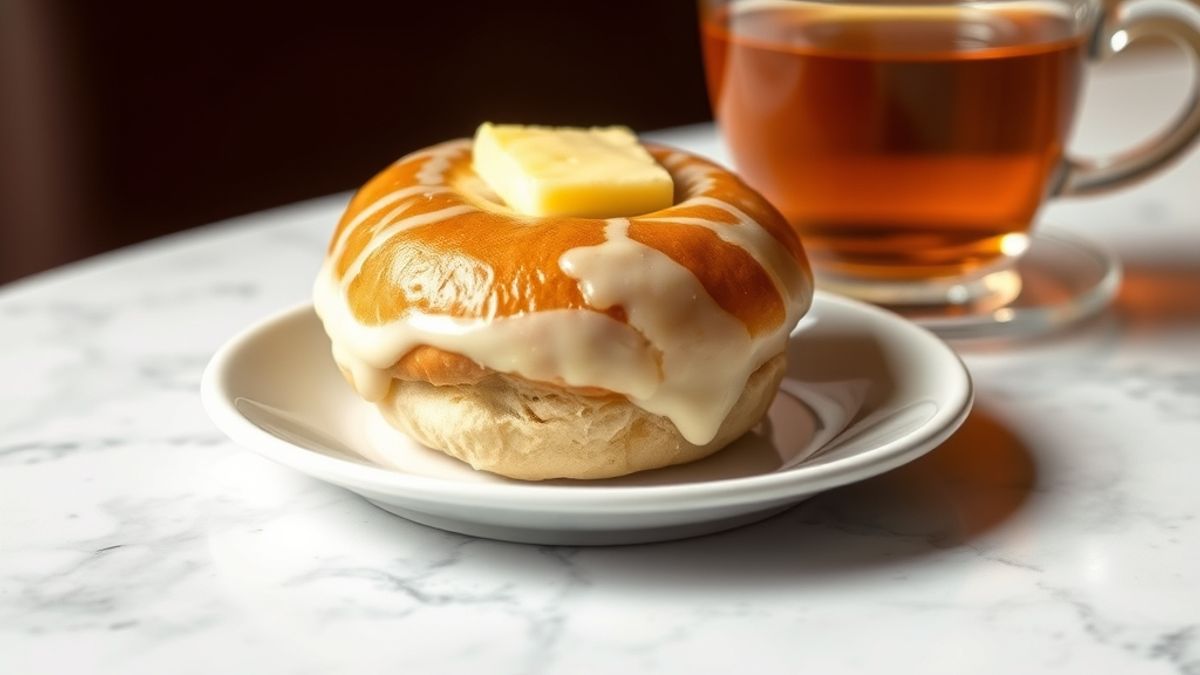
Before the coffee chains arrived, before the third-wave roasters started weighing beans on jeweller’s scales, Mumbai’s café culture belonged to the Irani cafés — high-ceilinged corner rooms with marble-topped tables, bentwood chairs, foxed mirrors and hand-lettered rules pinned to the wall. Opened by Zoroastrian immigrants from Iran a little over a century ago, they fed the city cheap, comforting food and, just as importantly, gave it permission to sit still for an hour over a glass of sweet chai. Many have closed. The survivors are treasures, and they reward a slow, unhurried visit far more than a quick photo. This is your guide to finding them, ordering well and reading the room the way a regular would.
| Café (area) | Since | Order this | Budget/head | Best for |
|---|---|---|---|---|
| Kyani & Co. (Marine Lines) | c. 1904 | Bun-maska, keema, cheese omelette | ₹150–350 | The full time-worn Irani room |
| Yazdani Bakery (Fort) | Early 1900s | Brun-maska, chai, apple pie | ₹100–250 | A working bakery-café breakfast |
| B. Merwan & Co. (Grant Road) | Early 1900s | Mawa cake, bun-maska | ₹100–250 | Morning mawa cakes (confirm hours) |
| Britannia & Co. (Ballard Estate) | 1923 | Berry pulao, caramel custard | ₹600–1,000 | A Parsi lunch, not everyday café fare |
| Café Military / Sassanian (near Marine Lines) | Old-school | Chai, bun-maska, keema-pav | ₹150–350 | Quieter, classic corner rooms |
Prices are rough per-head ranges for a light meal and will drift with what you order; older rooms keep their own quirky hours, so treat any single day as worth a quick check.
What makes an Irani café
The formula is unmistakable and has barely changed in decades. Once you have sat in one, you can spot the DNA in all the others.
The room
An Irani café almost always occupies a corner plot — two big street-facing walls of windows, which is why the light inside is so good in the morning. Look for tall ceilings, ceiling fans turning slowly, marble-topped tables (often chipped at the edges, which is part of the charm), bentwood chairs, tall spotted mirrors, and glass jars of biscuits and khari lined up on the counter. Somewhere on the wall there will be a framed list of house rules, hand-lettered and half-serious: No talking to cashier. No smoking. No fighting. No outside food. Please do not sit long when others waiting. Read them — they are as much a part of the visit as the chai.
The chai
The heart of the place is Irani chai — strong, milky, properly sweet, brewed long and poured hot into a small glass or cup. It is not the delicate, single-origin idea of tea; it is a sweet, restorative jolt made to be drunk slowly and to keep you in your seat. If you like it a touch less sweet, say kam meetha when you order, but know that the sweetness is the tradition, not a mistake.
The bun-maska
The signature companion is bun-maska: a soft, faintly sweet bun, split and slathered with a thick swipe of butter (maska). You dunk it in the chai, let the butter melt into the tea, and eat. Its crustier, chewier cousin is brun — a hard-crusted loaf, best fresh from a bakery-café like Yazdani, where a brun-maska with chai is the whole reason to come. Between the two, bun is softer and sweeter, brun is rustier and more of a meal; try both across two visits.
The food
Beyond bread and butter, the everyday menu runs to keema (spiced minced mutton, often with pav), akuri (soft, spiced scrambled eggs on buttered toast), cheese omelettes and keema-pav. At the more Parsi-leaning rooms the kitchen stretches to full plates — dhansak (lentils and mutton with caramelised rice), berry pulao (rice with spiced meat and tart Iranian barberries) and sali boti. If it is the sit-down Parsi meal you are chasing rather than a chai-and-bun snack, our guide to Parsi food in Mumbai maps that side of the table in more detail.
The sweets
The bakeries and cafés keep a short, old-fashioned sweet counter: mawa cakes (dense, milk-solid little cakes, best in the morning when fresh), caramel custard (wobbly, burnt-sugar, the essential Parsi-Irani dessert) and, at the bakeries, apple pie. These are homely, unfussy sweets — if you want the flashier modern dessert scene, that lives elsewhere, and our Mumbai dessert cafés guide covers it.
The surviving classics
A handful of genuine Irani cafés have made it into the present. They cluster in South Mumbai, close enough that you can string two or three together in a morning. Because they are old, family-run rooms, a phone check or a glance at recent reviews before a special trip is always worth the thirty seconds.
Kyani & Co. (Marine Lines)
One of the oldest survivors, running since around 1904, Kyani is the postcard Irani café: a wonderfully time-worn corner room where the bun-maska, keema, akuri and cheese omelette taste of another century. It is a working café rather than a museum, busy with office-goers and students, and it is the single best first stop if you have never sat in one. Budget roughly ₹150–350 a head for chai and a light meal. Go mid-morning for the light and the freshest bakes.
Yazdani Bakery (Fort)
Yazdani is a working bakery-café — flour on the counter, bread ovens at the back — and the go-to for brun-maska, chai and its much-loved apple pie. The room is small, communal and cash-friendly, the kind of place where you share a marble table with strangers and nobody minds. It sits deep in the Fort district, which makes it a natural bookend for a walk around the old stone buildings; pair it with our Fort and Kala Ghoda guide. Around ₹100–250 a head.
B. Merwan & Co. (Grant Road)
Long famous for its mawa cakes and bun-maska, B. Merwan is the emotional heart of the Irani-café story for many Mumbaikars — it survived a well-publicised closure scare that made the front pages, and is widely reported to be operating again, though hours can be limited and the mawa cakes sell out early. This is precisely the sort of place to confirm before you cross the city for it. It sits near Grant Road station; treat the mawa cakes as a morning mission. Around ₹100–250 a head.
Britannia & Co. (Ballard Estate)
Britannia is more a Parsi restaurant than an everyday café, but it belongs to the same lineage and the same world of marble and bentwood. Open since 1923, it is celebrated nationwide for its berry pulao and caramel custard, and it typically runs lunch only, so this is a midday plan, not a chai-o’clock one. Expect ₹600–1,000 a head — a proper meal rather than a snack. If you are already in the Ballard Estate–Fort belt for its architecture, it slots neatly into a heritage architecture walk.
The others worth knowing
Two more names come up again and again on any honest list: Café Military and Sassanian Boulangerie, both classic Irani rooms near Marine Lines. They are quieter and less photographed than Kyani, which is part of their appeal — the same marble, the same chai, fewer cameras. As with every old room on this list, a quick check that they are open on the day you plan to go will save you a wasted trip. Beyond these, you will occasionally find a smaller neighbourhood Irani café still soldiering on in an older pocket of the city; if you spot one, treat it as a lucky find and go in.
What to order
You do not need to over-think an Irani café. The classic order is also the cheapest and the best introduction: one bun-maska and one Irani chai. That is the whole ritual in miniature — the sweet tea, the buttered bun, the dunk. From there, build depending on hunger and time of day.
- A light morning: bun-maska (or brun-maska at a bakery) plus chai. Add a mawa cake if you are at B. Merwan.
- A proper breakfast: akuri on buttered toast, or a cheese omelette, with chai. This is the sweet spot of an Irani café — cheap, hot, unhurried. For the wider spread of where Mumbai eats first thing, see our breakfast spots guide.
- A heartier plate: keema-pav, or a Parsi dish where the kitchen runs to it. At Britannia, make it the berry pulao.
- To finish: caramel custard, or apple pie at the bakeries.
A note on coffee: an Irani café is a tea place. If you want espresso, flat whites and single-origin filter, that is a different, newer Mumbai, and it is a lovely one — our specialty coffee cafés guide covers the third-wave roasters, while cafés in South Mumbai rounds up the broader sit-down scene. But do not walk into Kyani expecting a cortado; walk in expecting sweet chai, and you will not be disappointed.
The etiquette
Irani cafés run on an unwritten code that regulars absorb without thinking. None of it is difficult, and following it is part of enjoying the place properly.
- Slow down. These are not grab-and-go spots. The entire point is to sit, sip and watch the city move past the windows. Treat the hour as the thing you came for, not a delay before something else.
- Read the rules on the wall. They are half-serious, half-charming, and reading them is a small tradition in itself. They also, quietly, tell you how the room works.
- Order simply, at least at first. A bun-maska and a chai. You can always order more once you have found your feet.
- Share the table. At busy hours, marble tables are communal. Shifting up to make room for a stranger is normal and expected; it is one of the nicest things about these rooms.
- Cash first. Many now take UPI, and increasingly all of them do, but a little cash removes all friction — some of the oldest places still prefer it.
- Don’t linger past your welcome when a queue forms. Sitting long is encouraged when there is space; when people are waiting, the same house rules that let you dawdle politely ask you to move on.
When to go
Go in the morning. This is the single most useful piece of timing advice. The bakes are freshest, the mawa cakes and bruns have just come out, the corner light through the big windows is at its gentlest, and the room has not yet filled with the lunch rush. A 9–11am visit is close to perfect.
Seasonally, there is no bad time — an Irani café is an all-weather institution, and a glass of hot chai is arguably at its best in the wet months. During the Mumbai monsoon, one of the city’s great small pleasures is ducking out of a downpour into a corner café, ordering chai and bun-maska, and watching the rain sheet down the windows until it eases. In the cooler, drier stretch from roughly November to February, the same rooms are simply comfortable all day. Avoid, if you can, the narrow 1–2.30pm lunch crush at the busier spots, when tables turn fast and the mood is less contemplative.
Getting there
The survivors cluster tightly in South Mumbai — Marine Lines, Fort, Ballard Estate and Grant Road — which is the whole reason they are so easy to combine. Most are a short walk from Churchgate, CSMT (Victoria Terminus) or Marine Lines stations, and the local train beats a taxi through this part of town at almost any hour; our local train guide explains the network if you are new to it, and the getting around Mumbai guide covers the alternatives.
The obvious move is to fold a café or two into a heritage day on foot. Yazdani sits inside the Fort district, minutes from the Gothic stone piles of Kala Ghoda; Britannia anchors Ballard Estate’s grand colonial streets; Kyani is an easy stroll from Marine Lines and the top of Marine Drive. Chain them with our Fort and Kala Ghoda guide or a broader heritage architecture walk, and you have a morning that is equal parts eating and looking. CSMT itself is worth the detour for its own sake — see the CSMT / Victoria Terminus guide — and the whole South Mumbai cluster sits within reach of the Gateway of India.
Why they matter
Irani cafés are a fading institution, and there is no honest way to write about them without saying so. Once there were hundreds across the city, dotted through every old neighbourhood; a combination of rising commercial rents, changing tastes, generational shifts and heirs who understandably did not want to run a low-margin café have thinned them to a precious handful. Each closure tends to make the news precisely because everyone senses what is being lost — not just a business, but a way of spending time that the modern city offers almost nowhere else.
That is why the survivors are worth your custom rather than only your nostalgia. Every visit to a genuine one is a small, cheap act of keeping the tradition alive — and, entirely selfishly, a genuinely lovely hour in a city that rarely slows down. These rooms are woven into the wider story of the city; if that history interests you, our history of Mumbai and the broader street food and eating traditions of the city give the cafés their context.
The bottom line
For a taste of old Mumbai, nothing quite beats an Irani café: a marble table, a glass of sweet chai, a buttered bun and time to waste. Start at Kyani or Yazdani for the classic room and the classic order, treat B. Merwan’s mawa cakes as a morning mission and confirm its hours first, and save Britannia for a proper Parsi lunch of berry pulao and caramel custard. Go early, order simply, carry a little cash, read the rules on the wall, and above all do not rush. These corner rooms have watched the city change for a century — sit a while, and let them watch you too.
Frequently Asked Questions
What is bun-maska and how do you eat it at an Irani café?
Bun-maska is a soft, faintly sweet bun that is split and spread with a thick swipe of butter (maska). The classic way to eat it is to dunk it into a glass of hot, sweet Irani chai so the butter melts into the tea, then bite. A bun-maska with chai is the cheapest and most authentic order in any Irani café, and the best introduction if it's your first visit.
Which are the best and oldest Irani cafés still open in Mumbai?
The surviving classics cluster in South Mumbai: Kyani & Co. at Marine Lines (running since around 1904), Yazdani Bakery in Fort (famous for brun-maska and apple pie), B. Merwan & Co. near Grant Road (known for mawa cakes) and Britannia & Co. in Ballard Estate (open since 1923, more a Parsi restaurant than a café). Café Military and Sassanian near Marine Lines are quieter classics too. Because these are old, family-run rooms with their own hours, it's worth a quick check that a place is open before a special trip.
What is Irani chai and how is it different from regular chai?
Irani chai is a strong, milky, properly sweet tea brewed long and poured hot into a small glass or cup. It leans sweeter and more restorative than a standard cutting chai, and it is made to be sipped slowly while you sit rather than gulped on the go. If you prefer it less sweet you can ask for kam meetha, but the sweetness is very much part of the tradition.
Are Irani cafés vegetarian-friendly?
Yes, largely. The signature items — bun-maska, brun-maska, Irani chai, cheese omelettes, akuri (spiced scrambled eggs) and sweets like mawa cake and caramel custard — are all vegetarian or egg-based. The meat dishes are mostly keema (minced mutton) and, at the Parsi-leaning spots, dishes like dhansak and berry pulao, so committed non-vegetarians have plenty to eat while vegetarians can build a full, satisfying meal around bread, eggs, chai and dessert.
Where are Mumbai's Irani cafés located and how do I get there?
The survivors are concentrated in South Mumbai — Marine Lines, Fort, Ballard Estate and Grant Road — within a short walk of Churchgate, CSMT (Victoria Terminus) and Marine Lines stations. The local train is usually faster than a taxi through this area. They sit close enough together that you can easily fold a chai stop or two into a Fort or Kala Ghoda heritage walk on foot.
What's the difference between an Irani café and a Parsi restaurant?
There's overlap, but an Irani café is an everyday spot built around chai, bun-maska, keema, omelettes and simple bakes, run by Iranian-immigrant families. A Parsi restaurant like Britannia serves fuller sit-down meals — dhansak, berry pulao, sali boti, caramel custard — often at lunch only and at a higher price. Many people use the terms loosely because both grew from the same Zoroastrian community and share the same marble-and-bentwood look.