
Museums & Art Galleries in Mumbai
A guide to Mumbai's best museums and art galleries: the grand CSMVS, jewel-box Bhau Daji Lad, Jehangir, NGMA and the NMACC at BKC, with timings and rough fees.
'%3E%3Crect%20width%3D'96'%20height%3D'96'%20fill%3D'%23E65100'%2F%3E%3Ccircle%20cx%3D'30'%20cy%3D'24'%20r%3D'44'%20fill%3D'%23fff'%20opacity%3D'.12'%2F%3E%3Ccircle%20cx%3D'60'%20cy%3D'74'%20r%3D'40'%20fill%3D'%23000'%20opacity%3D'.10'%2F%3E%3C%2Fg%3E%3Cg%3E%3Ccircle%20cx%3D'48'%20cy%3D'48'%20r%3D'15'%20fill%3D'none'%20stroke%3D'%23fff'%20stroke-width%3D'3'%2F%3E%3Cpath%20fill%3D'%23fff'%20d%3D'M48%2037%20l3.5%2011%20-3.5%2011%20-3.5%20-11%20z'%2F%3E%3Ccircle%20cx%3D'48'%20cy%3D'48'%20r%3D'2.2'%20fill%3D'%23fff'%2F%3E%3C%2Fg%3E%3C%2Fsvg%3E)
For a city so famous for its street life, Mumbai’s indoor culture is easy to overlook — and that would be a mistake. It holds one of India’s finest museums, a jewel-box Victorian gallery in Byculla, the country’s most storied contemporary art space, and a gleaming new performing-arts centre. Together they make for perfect rainy-day or midday-heat outings, and most cluster tightly enough to do two or three in an afternoon.
Mumbai museums & galleries at a glance
| Place | Area | Approx entry (₹, Indian) | Closed day | Nearest station |
|---|---|---|---|---|
| CSMVS | Fort / Kala Ghoda | ~85 (foreigners ~500) | Open daily | CSMT / Churchgate |
| Dr Bhau Daji Lad | Byculla | ~50 (foreigners ~200) | Wednesday | Byculla |
| Jehangir Art Gallery | Kala Ghoda | Free | Open daily | CSMT / Churchgate |
| NGMA | Fort (MG Road) | Modest; students often free | Monday | CSMT / Churchgate |
| NMACC | BKC | Event-based ticket only | Varies by show | BKC (Metro / cab) |
Fees below are rough and occasionally revised; confirm close to your visit.
The grand museum: CSMVS
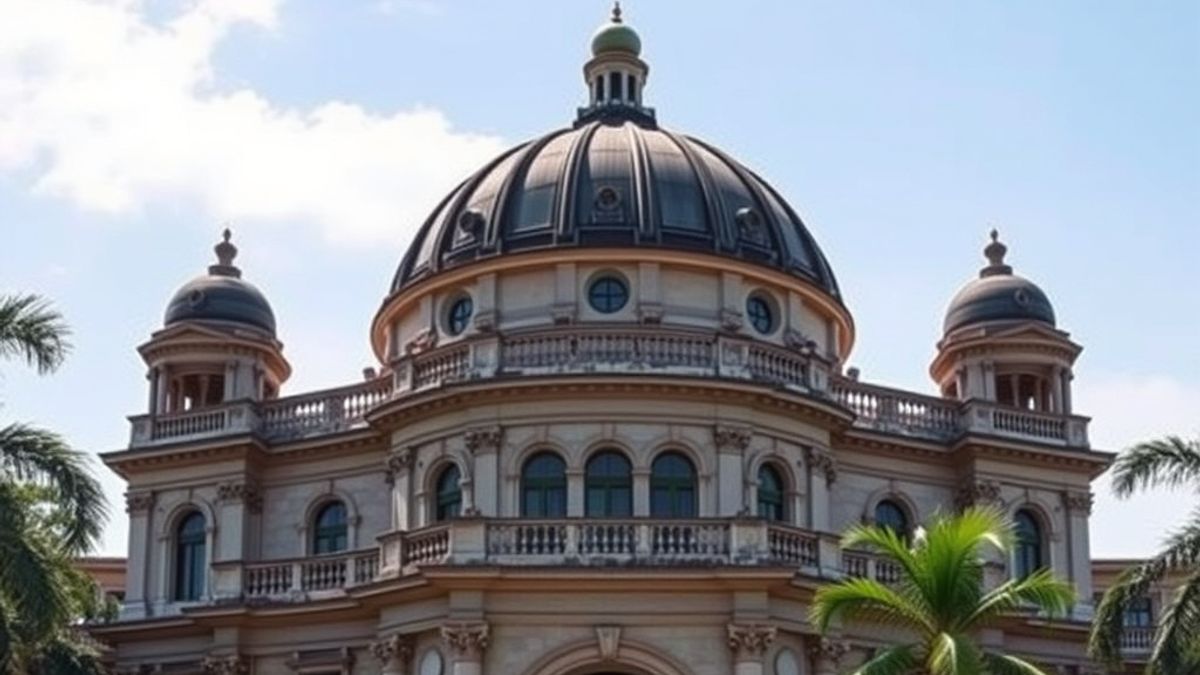
The Chhatrapati Shivaji Maharaj Vastu Sangrahalaya (CSMVS, formerly the Prince of Wales Museum) in the Fort area is the city’s flagship — a magnificent Indo-Saracenic building holding art, archaeology and natural history across grand galleries. The collection sweeps from Indus Valley artefacts and Gandhara sculpture to Mughal miniatures, Tanjore paintings, jade, arms and armour, and a natural-history section. Allow a couple of hours; it rewards a slow wander far more than a quick tick.
Highlights worth seeking out inside:
-
The Key Gallery on the ground floor, a curated sampler of the whole collection if you’re short on time.
-
The Indian miniature paintings — Mughal, Rajput and Deccan works that are among the finest on public display in the country.
-
The Gandhara and early sculpture galleries, tracing Buddhist and Hindu stone carving across centuries.
-
The Premchand Roychand gallery of decorative arts — jade, textiles, ivory and European paintings.
-
Whatever temporary exhibition is running; CSMVS punches well above its weight for international loan shows.
-
Open: daily, roughly 10:15am to 6pm (the ticket counter closes earlier).
-
Rough entry (from 2025): around ₹85 for Indian adults, much less for children and students, and about ₹500 for foreign visitors, with extra charges for cameras and special galleries.
-
Insider tip: book online to skip the queue, hire the audio guide if you want context, and check what temporary exhibition is running — CSMVS regularly hosts strong international loan shows.
The jewel-box: Dr Bhau Daji Lad Museum
In Byculla, next to the zoo, the Dr Bhau Daji Lad Museum is Mumbai’s oldest, a beautifully restored Victorian building telling the story of the city’s decorative arts and industries. The interior — gilded columns, a grand staircase, patterned floors — is half the reason to go; the dioramas, clay models and industrial-era objects trace how Bombay actually made things. Small, gorgeous and often blissfully quiet.
- Open: roughly 10am to 5:30pm; closed Wednesdays.
- Rough entry: around ₹50 for Indian adults, less for children and students, about ₹200 for foreigners.
- Insider tip: it is compact, so pair it with the adjacent Veermata Jijabai Bhonsle Udyan (Byculla Zoo) or a walk through the surrounding heritage quarter to make a half-day of the east.
The art galleries
Jehangir Art Gallery (Kala Ghoda)
The city’s best-known contemporary art space, with rotating shows of Indian artists across several halls. Free entry, open roughly 11am to 7pm daily. Exhibitions change constantly, so it rewards repeat visits, and the pavement outside is a long-running informal art market. A must on any Kala Ghoda wander.
National Gallery of Modern Art (NGMA)
Housed in the domed Sir Cowasji Jehangir Hall on MG Road, NGMA shows modern and contemporary Indian art in a striking circular, ramped interior. Closed Mondays, with a modest entry fee for Indian visitors (students often free) and higher for foreigners. The retrospectives here can be excellent, so check the current programme before you go.
A note on the smaller galleries
Around Kala Ghoda and Colaba you’ll also find private commercial galleries — the kind that show emerging and blue-chip Indian artists and cost nothing to walk into. Wandering a few of these between the big institutions is one of the nicer ways to read the city’s living art scene, and the Kala Ghoda lanes make it easy on foot.
The new landmark: NMACC
The Nita Mukesh Ambani Cultural Centre (NMACC) at the Jio World Centre in BKC is Mumbai’s glossy new arts destination — but note it is a performing-arts and exhibition venue, not a walk-in museum. Access is by ticket to a specific show or exhibition, and prices vary widely by event; there is no single fixed “entry fee.” It also houses the Art House gallery. Check the current programme and pricing on the official NMACC site before planning a visit, and treat it as an evening-out destination rather than a drop-in.
Beyond the big names: smaller museums worth a detour
Mumbai’s museum map runs deeper than its flagships, and a few specialist spots reward the curious.
- Mani Bhavan, Gamdevi — the modest Gandhi house-museum where Mahatma Gandhi stayed on his Bombay visits between 1917 and 1934, now a library and a room of photographs and dioramas tracing the freedom movement. Small, moving and free or near-free. Nearest station: Charni Road or Grant Road.
- Nehru Science Centre & Planetarium, Worli — India’s largest interactive science centre, a hit with families and a genuinely good rainy-day plan for children, with a science park and rotating shows. Modest ticket; near Mahalaxmi.
- RBI Monetary Museum, Fort — a quietly fascinating free museum on the history of money, coinage and banking in India, a short walk from CSMT. A quick, air-conditioned half-hour between the bigger stops.
- Coming soon and worth checking: the city periodically opens or restores heritage spaces, so glance at what’s currently on before you plan — Mumbai’s cultural calendar shifts more than most cities’.
The Kala Ghoda Arts Festival and the city’s art season
Time your visit right and the museum quarter becomes a festival. The Kala Ghoda Arts Festival, held over nine days each February, turns the whole precinct around Jehangir and CSMVS into an open-air show of installations, street art, music, film and craft stalls — the city’s biggest and best-loved cultural jamboree, and free to wander. The commercial galleries around Colaba and Fort also cluster their major openings through the cooler months, so the November-to-February window is the richest time for art in Mumbai. If you’re planning a culture-heavy trip, check the festival dates and the galleries’ current shows before you lock in your week — the difference between an ordinary Tuesday and a festival weekend is night and day.
Making a museum day work with kids
Mumbai’s museums can absolutely carry a family day, with a little planning. CSMVS has a dedicated children’s museum section and enough variety — mummies, armour, natural-history dioramas — to hold younger attention for an hour or so. For a guaranteed win, the Nehru Science Centre in Worli is built for children, all buttons and interactive exhibits, and the Nehru Planetarium next door runs sky shows. The Dr Bhau Daji Lad is small enough not to exhaust little legs and its clay models and dioramas are genuinely charming. Keep visits to a couple of hours, carry water and snacks for the queues, and pair a museum with an outdoor stop — Marine Drive, the Byculla zoo — so the day has a change of pace.
How to plan a museum day
- Pair them by area. CSMVS sits in the Fort/Kala Ghoda cluster with Jehangir and NGMA, so you can do all three on one downtown day, with lunch at an Irani café in between. The Bhau Daji Lad and the Byculla zoo pair naturally in the east.
- Perfect for the monsoon or the midday heat, when you want to be indoors and air-conditioned. A wet afternoon in the galleries is one of the city’s underrated pleasures.
- Mind the closed days: Bhau Daji Lad shuts Wednesdays, NGMA shuts Mondays. Building a plan around either on the wrong day is the classic mistake.
- Verify fees and hours close to your visit — government museum fees are low but occasionally revised, and NMACC pricing is entirely event-based.
- Allow real time at CSMVS especially; it is big and deserves a couple of unhurried hours rather than a rushed loop.
A simple half-day and full-day plan
Half a day (Kala Ghoda): Start at CSMVS as it opens, break for chai and bun maska at an Irani café near Kala Ghoda, then drift through the Jehangir Art Gallery and any commercial galleries that catch your eye, finishing at NGMA on MG Road. Everything is within a short walk.
A full day (add the east): Do the Fort cluster in the morning, take a cab or a short Central Line hop to Byculla for the Dr Bhau Daji Lad in the early afternoon, and stroll the zoo or the heritage lanes before heading back. If you want an evening of culture, check whether a show at NMACC in BKC fits, and book ahead.
Getting there
The Fort cluster (CSMVS, Jehangir, NGMA) is walkable from CSMT and Churchgate stations. The Dr Bhau Daji Lad is near Byculla station on the Central Line, and NMACC is in BKC, best reached by cab or the Metro. Keep a little cash for camera charges and cloakroom fees, which crop up here and there.
Insider tips before you go
- Book CSMVS online on weekends and holidays — the walk-up queue can eat half an hour you’d rather spend inside.
- Bags and cameras attract small charges or cloakroom rules at government museums; travel light.
- Photography is often restricted or paid inside galleries and special exhibitions — check the signage rather than assuming.
- Go early or late to dodge school groups at CSMVS; mid-morning and the last hour before closing are the calmest.
- Confirm NMACC tickets in advance — there is no walk-in general admission, and popular shows sell out.
Mumbai’s museums and galleries are a rewarding, weather-proof side of the city. Make CSMVS your anchor, add the Kala Ghoda galleries for contemporary art, seek out the exquisite Bhau Daji Lad in Byculla, and check what’s on at NMACC if you want a night of performance. Mind the closed days, confirm the fees, and give the big museum the time it deserves. It is the cultured, cool-headed counterpoint to the city’s street energy — and, on a rainy afternoon, the best seat in Mumbai.
Frequently Asked Questions
Which is the best museum to visit in Mumbai?
The Chhatrapati Shivaji Maharaj Vastu Sangrahalaya (CSMVS) in Fort is the city's flagship — a magnificent Indo-Saracenic building holding art, archaeology and natural history. Allow a couple of unhurried hours. It anchors the Kala Ghoda cluster alongside the Jehangir Art Gallery and NGMA.
What days are Mumbai's museums closed?
The Dr Bhau Daji Lad Museum shuts on Wednesdays and the National Gallery of Modern Art (NGMA) shuts on Mondays. Elephanta Caves and Sanjay Gandhi National Park also close on Mondays. Always confirm before planning a museum day around a specific spot.
Is the Jehangir Art Gallery free to enter?
Yes. The Jehangir Art Gallery in Kala Ghoda has free entry and shows rotating exhibitions of Indian artists, roughly 11am to 7pm daily. It is a must on any Kala Ghoda wander and pairs naturally with CSMVS and NGMA nearby.
Is NMACC a museum you can just walk into?
No. The Nita Mukesh Ambani Cultural Centre at BKC is a performing-arts and exhibition venue, not a walk-in museum. Access is by ticket to a specific show or exhibition, with prices that vary by event. Check the official NMACC programme before you go.
Are Mumbai's museums good for a rainy day?
Ideal. Air-conditioned, indoor and clustered by area, museums like CSMVS and the Bhau Daji Lad are the classic monsoon or midday-heat plan. Pair the Fort cluster on one downtown day and the Byculla museum-and-zoo on another.