
Byculla Zoo and Taraporewala Aquarium: Meeting Mumbai's Animals with Kids
Byculla Zoo with kids: Humboldt penguins, tickets, timings and the Wednesday closure — plus why Taraporewala Aquarium is shut and what to do instead.
'%3E%3Crect%20width%3D'96'%20height%3D'96'%20fill%3D'%23E65100'%2F%3E%3Ccircle%20cx%3D'30'%20cy%3D'24'%20r%3D'44'%20fill%3D'%23fff'%20opacity%3D'.12'%2F%3E%3Ccircle%20cx%3D'60'%20cy%3D'74'%20r%3D'40'%20fill%3D'%23000'%20opacity%3D'.10'%2F%3E%3C%2Fg%3E%3Cg%3E%3Ccircle%20cx%3D'48'%20cy%3D'48'%20r%3D'15'%20fill%3D'none'%20stroke%3D'%23fff'%20stroke-width%3D'3'%2F%3E%3Cpath%20fill%3D'%23fff'%20d%3D'M48%2037%20l3.5%2011%20-3.5%2011%20-3.5%20-11%20z'%2F%3E%3Ccircle%20cx%3D'48'%20cy%3D'48'%20r%3D'2.2'%20fill%3D'%23fff'%2F%3E%3C%2Fg%3E%3C%2Fsvg%3E)
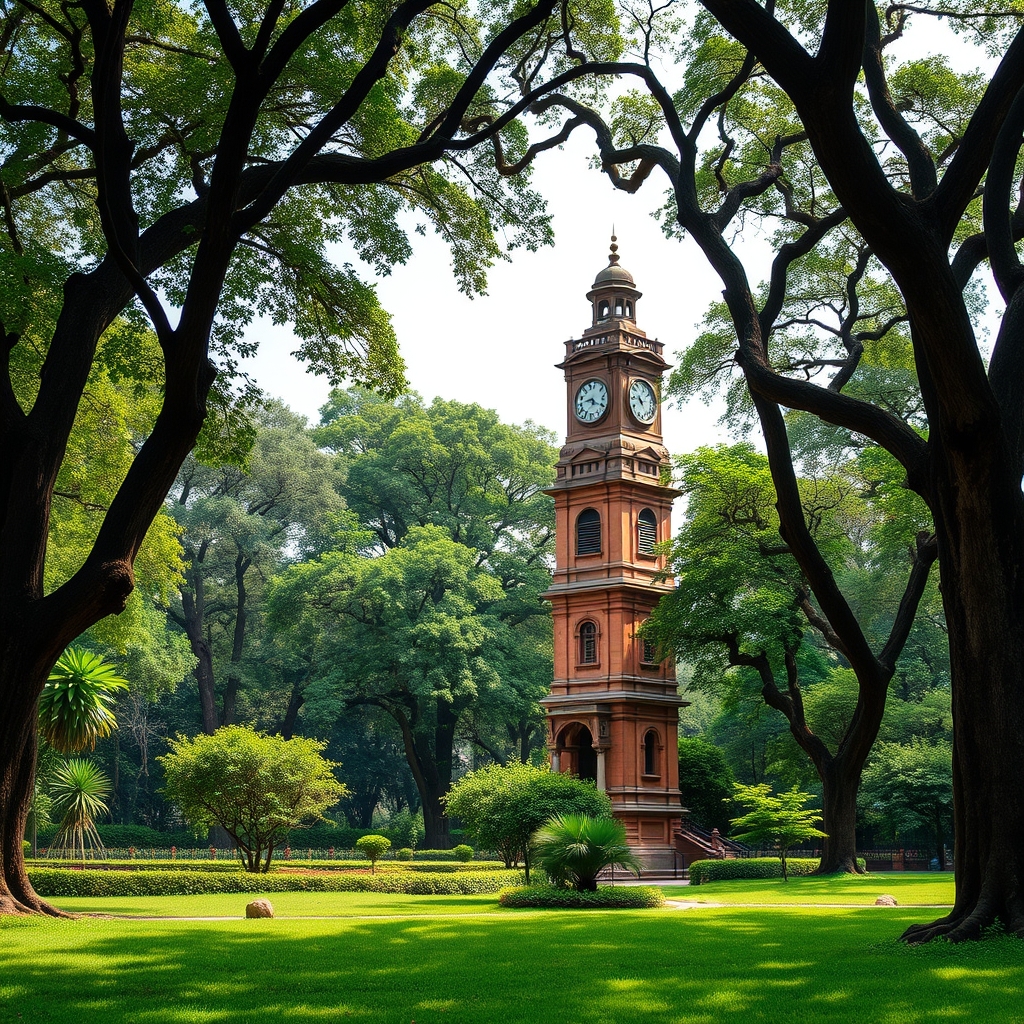
Photo: Amey_A · CC BY-SA 3.0 · via Wikimedia Commons
Two of Mumbai’s oldest animal attractions sit barely half an hour apart, and for decades a Byculla Zoo morning followed by an afternoon at the Taraporewala Aquarium was the classic city day out with children. That plan has changed. The zoo is thriving — its Humboldt penguins are still the single biggest draw for small visitors anywhere in the city — while the aquarium at Marine Drive is shut for a complete rebuild. Here is how to do the animals well with kids right now, honestly, from tickets and timings to the one day of the week that trips up more families than anything else, and what to expect when the new aquarium finally opens.
At a glance: the animal day out, right now
Before the detail, here is the shape of it. Treat the prices and hours below as reliable patterns rather than to-the-rupee guarantees — a civic body runs the zoo and the museum, and small revisions happen without much fanfare, so glance at the gate board when you arrive.
| Place | Area | Ticket (approx.) | Hours | Closed | Best for |
|---|---|---|---|---|---|
| Byculla Zoo (Rani Baug) | Byculla East | ~Rs 50 adult / Rs 25 child; family-of-four ~Rs 100 | ~9 am–6 pm | Every Wednesday | Penguins, big shade trees, easy walking |
| Humboldt penguins | Inside the zoo | Included in the zoo ticket | Zoo hours | Every Wednesday | The main event for under-tens |
| Dr Bhau Daji Lad Museum | Byculla East, at the zoo gate | ~Rs 20 adult / Rs 10 child | ~10 am–5.30 pm | Every Wednesday | A calm 30-minute heritage add-on |
| Taraporewala Aquarium | Marine Drive, near Charni Road | Closed | — | Rebuild under way | Nothing yet — watch for a reopening notice |
| Nehru Science Centre | Worli | ~Rs 100 per head (3D show extra) | Daytime, most days | Diwali & Holi only | Wednesday and rainy-day backup |
The single most useful line in that table is the closed column. The zoo and the museum both shut on Wednesdays, so if there is one thing to lock into memory before anything else, it is that a Wednesday plan for Byculla is a wasted plan.
Byculla Zoo: an old garden with a penguin colony
Everyone says Byculla Zoo, and older Mumbaikars still call it Rani Baug, but the full name is Veermata Jijabai Bhonsle Udyan. The grounds opened in 1861 as the Victoria Gardens, which makes this one of the oldest botanical gardens in the country. Even before you reach a single animal, the tree canopy — enormous rain trees, a baobab or two, old flowering giants throwing shade over wide walking paths — is a genuine relief on a hot day, and stroller-friendly in a way little else in central Mumbai is. If your children respond less to caged animals than to the simple pleasure of running around under big trees, that is fine here; the garden carries the visit even on the days when the tigers are dozing out of sight.
The wider design still reads as a Victorian pleasure garden rather than a modern zoo — wide avenues fanning out from the main gate, shaded benches, iron railings and stone in place of moulded concrete. It sits within an easy loop of central Mumbai’s other heritage set-pieces, so it pairs naturally with a wider heritage architecture walk if the grown-ups want more than the animals.
Getting to Rani Baug (Byculla East)
The zoo sits in Byculla East, a short, signposted walk from Byculla station on the Central line — close enough that the local train is genuinely the smart way in, especially on a weekend when the roads around the station clog up. If trains with small children feel daunting, our Mumbai local train guide covers the first-class-versus-second and off-peak logic that makes the difference. Coming from South Mumbai, the Eastern Freeway drops you close, so a taxi or app cab is quick outside rush hour; remember that this is the island city, where you will flag down black-and-yellow taxis and app cabs rather than the autorickshaws you would find in the suburbs. If in doubt about the fastest door-to-door option from where you are staying, the broader getting around Mumbai rundown is worth a look before you set out.
Tickets, timings and the Wednesday rule
Entry is genuinely cheap: roughly Rs 50 for an adult and Rs 25 for a child, with a family-of-four ticket at around Rs 100, so a full outing for two parents and two children costs less than a round of ice creams. The zoo is open from about 9 am to 6 pm and is closed every Wednesday — commit that to memory, because it is the single most common way families waste a trip here. Tickets can be bought at the gate, and the civic body now also offers online booking, which is worth doing on weekends and school holidays when the queue at the counter builds up. There is usually a modest extra charge for a still or video camera, and separate small fees for battery-cart rides inside the grounds if little legs give out; keep a little cash for those and for the snack stalls, since not every counter takes cards.
Arrive close to opening if you can. The light is kinder for the animals, the walking is cooler, and — the part that matters most with children — the penguin hall is quiet. By late morning on a Sunday the same hall can have a slow-moving line, so the reward for an early start is real. Budget two to three hours for the zoo at a child’s pace, more if you are letting them run.
What’s in the collection
Beyond the star penguins, the collection your children will actually see includes elephants, tigers and leopards, hippos wallowing in their pool, crocodiles, spotted deer, and a good deal of birdlife — peafowl, pelicans, a sarus crane, the odd golden pheasant. It is an old-fashioned zoo rather than a slick safari park, so set expectations accordingly: the pleasure here is a slow, shaded morning among big trees and familiar animals, not a theme-park spectacle. Animals are individuals and have off days; a big cat may be asleep in the far corner of its enclosure, and that is worth flagging to a hopeful five-year-old before you reach the railing, so the moment lands as a bonus rather than a disappointment. If your children turn out to be birders in the making, the tidal mudflats at Sewri, famous for their flamingo watching in winter, are a natural next outing on the same eastern edge of the city.
Meet the penguins: the reason most families come
The Humboldt penguins are why most families come, and they earn it. Eight birds were flown in from the Coex Aquarium in Seoul in 2016, and the glass-fronted, climate-controlled enclosure opened to the public the following year. The colony has since bred steadily — it now stands at around twenty birds after three chicks named Noddy, Tom and Pingu hatched in March 2025 — so there is a decent chance of spotting a fluffy juvenile alongside the sleek adults. For a child who has only ever met penguins in a cartoon, watching a real one shoot through the water like a torpedo and then belly-flop onto a rock is the kind of thing that gets retold at school on Monday.
How to see them calmly
The enclosure is indoors and kept cold to mimic the Peruvian coast, which means it doubles as a blissful escape from Mumbai heat. You watch through thick glass as the penguins porpoise through the water and waddle about on the rocks. There is no extra charge — the penguins are included in your zoo ticket. A few practical notes make the visit calmer for everyone. Go straight there on arrival, before the mid-morning rush, because the hall is compact and fills up fast; the crowd moves in a slow shuffle rather than a free-for-all, and getting a front-row spot at the glass is far easier at opening. Keep the visit itself unhurried — ten quiet minutes at the glass beats a jostled two, and the birds are most active around feeding, so if a keeper is nearby it is worth lingering.
The rules, and why they matter
Ask children not to bang on the glass or use flash — the staff will remind you, but it is nicer to arrive already knowing. The tapping and the flashes stress the birds, and a colony that is calm is a colony that stays healthy and on view, so the etiquette is genuinely in your child’s interest too. Strollers are usually fine up to the hall; inside, it is close quarters, so a toddler is often happier on a hip than in a pram for those few minutes. And because it is properly cold in there compared with the garden outside, a thin layer for a small child is not a bad idea if you are visiting in winter.
Right next door: the Dr Bhau Daji Lad Museum
Right by the zoo’s entrance stands one of Mumbai’s loveliest small museums, and it makes the perfect low-key companion to the animals. The Dr Bhau Daji Lad Mumbai City Museum, housed in a jewel-box Victorian building, tells the story of the city through models, maps and old crafts — dioramas of old trades, miniature clay figures, gilded interiors that make grown-ups slow down and look up. It is one of the more child-legible stops on any tour of the city’s museums and art galleries, because so much of it is scenes and objects rather than dense wall text.
In its forecourt sits the weathered stone elephant that once stood on Elephanta Island and gave the island its Portuguese name — a real hit with children who have heard of Elephanta but never been, and a neat prompt if you are toying with an Elephanta Caves day trip later in the visit. Entry is nominal, around Rs 20 for adults and Rs 10 for children, and it is open roughly 10 am to 5.30 pm. One tidy piece of planning: the museum is also closed on Wednesdays, exactly like the zoo, so the two pair up perfectly on any other day. Half an hour inside is plenty for restless little ones; treat it as a cool, quiet interval between the penguins and the walk back to the gate rather than a second full attraction.
The Taraporewala Aquarium: closed for a landmark rebuild
Now the honest part, because it will save you a wasted journey. The Taraporewala Aquarium is not currently open. India’s oldest aquarium, opened in 1951 and inaugurated by the country’s first president, was declared structurally unsafe after a survey in 2022 and has been shut ever since. Its fish were moved out to other institutions, and the old building on Marine Drive is being replaced rather than patched up. If you grew up in Mumbai and remember the dim, tiled corridors and the tanks glowing blue along the seafront, that version of the aquarium is gone; what comes next is a different building altogether.
What’s coming, and why not yet
The site sits on Marine Drive near Charni Road station, and there is a great deal to look forward to — just not yet. The Maharashtra fisheries department has approved a roughly Rs 296-crore redevelopment into a six-storey, world-class facility, with a headline main tank holding some 3.5 million litres, a walk-through tunnel where the water arches overhead, marine education zones and a rooftop café. On paper it should become one of the better aquariums in Asia and exactly the sort of place children remember for years.
The catch is that, as of now, no firm reopening date has been announced, and construction on a project of this scale runs in years, not months. Treat the new aquarium as something to anticipate, and check for an official opening announcement before you build a day around it. Do not simply turn up at Marine Drive expecting to walk in. That said, the promenade itself is one of the great free pleasures of the city, so if you are in the area anyway, our guide to Marine Drive and the beaches will point you to what is genuinely open and worth a stroll while the hoardings stay up around the old aquarium.
A hands-on substitute while the aquarium is shut
Nehru Science Centre (Worli)
If the reason you wanted the aquarium was curious, hands-on children, the Nehru Science Centre in Worli is the obvious substitute and, in some ways, a better one. It is India’s largest interactive science centre, with a big outdoor science park of things to push, pull and clamber on, indoor galleries and a 3D show. Entry is modest — around Rs 100 a head, with the 3D show a little extra — and, crucially for planning, it stays open almost every day of the year, closing only for Diwali and Holi. That makes it a reliable Wednesday option when the zoo and the Byculla museum are both shut. Allow half a day; children rarely want to leave the science park quickly. It anchors our wider guide to science centres and planetariums for kids, which is worth a read if you are trying to string together a couple of indoor mornings.
Other animals, water and open space
Byculla’s zoo is not the only way to put children in front of wildlife or a big open space. On the northern edge of the city, Sanjay Gandhi National Park offers a proper forest, a toy-train ride and the chance of real animals in something closer to the wild — the full plan is in our Sanjay Gandhi National Park guide. Closer in, the city’s parks and gardens give you shaded, no-ticket alternatives for a low-key afternoon. And when the day is really about burning off energy rather than seeing anything in particular, the round-ups of family-friendly things to do and indoor play areas for kids cover the wet-weather and too-hot-to-move days that Mumbai serves up in bulk.
Season, weather and what to pack
The best months
The comfortable window for a garden-heavy day like this one is Mumbai’s cool season, roughly November to February, when mornings are mild and a two-hour walk under the trees is a pleasure rather than an ordeal. March through May turns hot and sticky, so if you are visiting then, the early-morning start moves from advice to necessity, and the cold penguin hall becomes the most popular room in the zoo for exactly the reason you would expect. Late monsoon and the weeks after can be lush and green, which the old garden wears beautifully.
Monsoon and heat notes
In the rains, roughly June to September, the trees drip and the paths can be slick, so closed-toe shoes for children beat sandals, and a compact umbrella beats a rain jacket in the humidity. The upside is that the two indoor stops — the penguin hall and the Bhau Daji Lad Museum — hold up fine in a downpour. Whatever the season, carry water, sunhats and a few snacks; there are stalls inside, but a long garden walk with small legs goes better with your own supplies, and a mid-morning biscuit break on a shaded bench buys you another hour of goodwill.
Making a smooth day of it with children
A sample itinerary
A clean version of the day looks like this: arrive at the zoo near opening on any day except Wednesday, walk straight to the penguins before the hall fills, then loop the grounds at a child’s pace to take in the elephants, the hippos and the birds. Break for a snack in the shade, spend a gentle half hour at the Dr Bhau Daji Lad Museum by the gate, and you are done by early afternoon with everyone still cheerful. If the group still has energy, that is the moment to peel off to Worli for the science centre or simply head home before the afternoon heat.
Food, water and rest stops
Inside the zoo you will find basic stalls for water, cold drinks, chips and ice cream — enough to top up, not a proper meal. For something more substantial afterwards, Byculla sits close to some of the city’s best-loved eating streets, and the Mohammed Ali Road food trail is a short ride away if the family is up for kebabs and sweets, particularly memorable in the evenings. Keep a refillable water bottle going through the morning; the garden is shaded but the humidity still does its work on small children.
Getting home
Aim to leave before the mid-afternoon peak, when the roads around Byculla station thicken and a cab crawls. The train back is often the faster bet, and off-peak it is calm enough with children; if you would rather ride, order the cab from inside the quieter garden gate rather than the busy main road. Keep expectations age-appropriate throughout the day: this is an unhurried, affordable, shaded outing among trees and animals, not a high-octane park — which, with young children in a hot city, is often exactly what you want.
The bottom line
For now, the animal day out in this part of Mumbai is really a Byculla story: the penguins, the old trees and the little museum next door, done early on any day except Wednesday, for the price of a few coffees. The aquarium that once completed the itinerary is mid-rebuild, and the sensible move is to swap in the Nehru Science Centre — or a park, the national park, or a plate of food nearby — and save Marine Drive for when the new tanks, and that tunnel, finally open.
Frequently Asked Questions
Is the Taraporewala Aquarium open right now?
No. India's oldest aquarium, opened in 1951, was declared structurally unsafe after a 2022 survey and has been closed ever since, with its fish moved to other institutions. The old building on Marine Drive near Charni Road is being demolished and rebuilt as a large new facility. No firm reopening date has been announced, so check for an official notice before planning any visit there.
How much are Byculla Zoo tickets and what day is it closed?
Entry is roughly Rs 50 for an adult and Rs 25 for a child, with a family-of-four ticket at around Rs 100. The zoo — officially Veermata Jijabai Bhonsle Udyan, or Rani Baug — is open about 9 am to 6 pm and closed every Wednesday. Tickets are sold at the gate, and online booking is also available, which helps on busy weekends and school holidays.
Do you have to pay extra to see the penguins at Byculla Zoo?
No. The Humboldt penguin enclosure is included in the standard zoo ticket at no extra charge. It is an indoor, climate-controlled hall viewed through thick glass, so it doubles as a cool break from the heat. Head straight there on arrival, as the compact hall fills up by mid-morning, especially on weekends.
What animals can you see at Byculla Zoo besides the penguins?
Alongside the roughly twenty Humboldt penguins, the collection includes elephants, tigers, leopards, hippos, crocodiles and spotted deer. There is also plenty of birdlife, from peafowl and pelicans to a sarus crane and the occasional golden pheasant. It is an old-fashioned, shaded garden zoo rather than a safari park, so expect a slow, easy walk rather than a big spectacle.
How do you get to Byculla Zoo?
The zoo is in Byculla East, a short signposted walk from Byculla station on the Central line, so the local train is often the easiest way in. From South Mumbai, the Eastern Freeway makes a taxi or app cab quick outside rush hour. Byculla sits in the island city, where you use black-and-yellow taxis and app cabs rather than autorickshaws.
What can families do near Byculla Zoo on a Wednesday?
The zoo and the Dr Bhau Daji Lad Museum next door both close on Wednesdays, so save Byculla for another day. A reliable Wednesday alternative is the Nehru Science Centre in Worli, which is hands-on, child-friendly and open almost every day of the year, closing only for Diwali and Holi. Entry there is around Rs 100 a head, with the 3D show costing a little more.