
Parks, Gardens & Green Spaces in Mumbai
A guide to Mumbai's parks and green escapes: Sanjay Gandhi National Park, Malabar Hill gardens, Rani Baug, running promenades, lakes and wild forest edges.
'%3E%3Crect%20width%3D'96'%20height%3D'96'%20fill%3D'%23E65100'%2F%3E%3Ccircle%20cx%3D'30'%20cy%3D'24'%20r%3D'44'%20fill%3D'%23fff'%20opacity%3D'.12'%2F%3E%3Ccircle%20cx%3D'60'%20cy%3D'74'%20r%3D'40'%20fill%3D'%23000'%20opacity%3D'.10'%2F%3E%3C%2Fg%3E%3Cg%3E%3Ccircle%20cx%3D'48'%20cy%3D'48'%20r%3D'15'%20fill%3D'none'%20stroke%3D'%23fff'%20stroke-width%3D'3'%2F%3E%3Cpath%20fill%3D'%23fff'%20d%3D'M48%2037%20l3.5%2011%20-3.5%2011%20-3.5%20-11%20z'%2F%3E%3Ccircle%20cx%3D'48'%20cy%3D'48'%20r%3D'2.2'%20fill%3D'%23fff'%2F%3E%3C%2Fg%3E%3C%2Fsvg%3E)
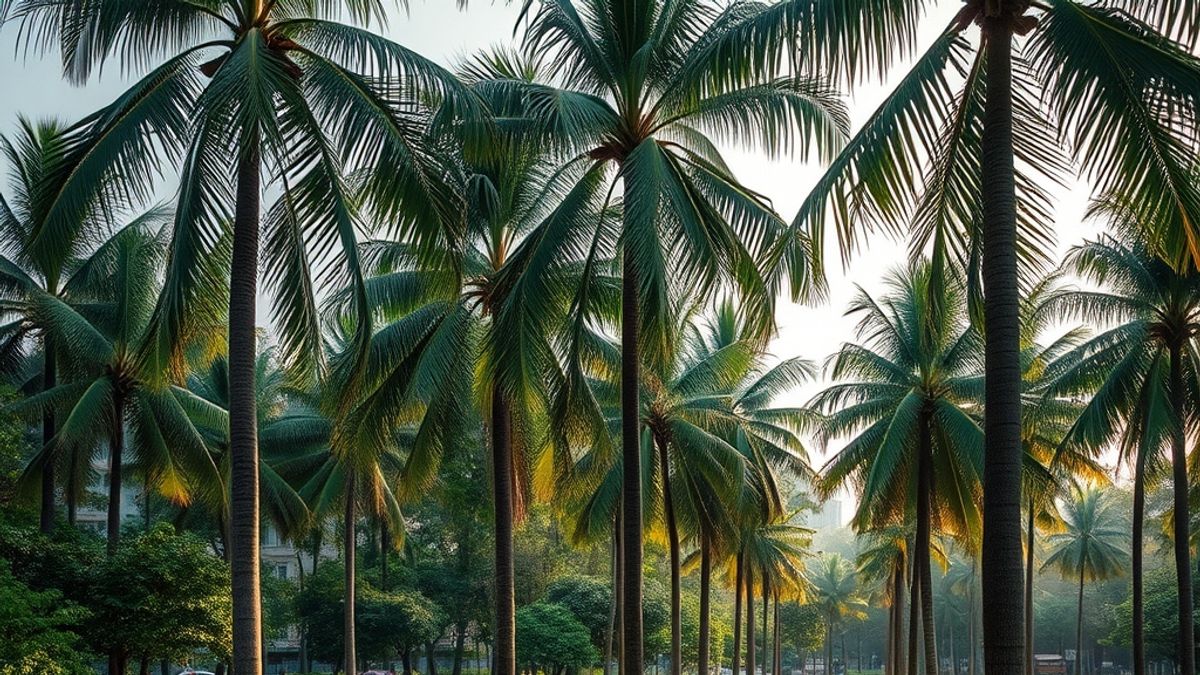
For all its concrete and crowds, Mumbai hides real pockets of green — a genuine national park within the city limits, terraced hill gardens with sea views, a Victorian-era zoo, and a string of promenades where the whole city goes to run at dawn. This guide maps the best of them, from the wild to the manicured, with the practical details to plan a visit.
Quick reference: Mumbai’s best green spaces
| Place | Area | Cost (₹) | Best time | Nearest station |
|---|---|---|---|---|
| Sanjay Gandhi National Park | Borivali | ~85 adult (closed Mon) | After monsoon, mornings | Borivali (WR) |
| Hanging Gardens & Kamala Nehru Park | Malabar Hill | Free | Sunset | Charni Road (WR) |
| Rani Baug (zoo & garden) | Byculla | Small fee (closed Wed) | Morning | Byculla (CR) |
| Priyadarshini Park (running) | Malabar Hill | Free | Early morning | Charni Road (WR) |
| Marine Drive promenade | South Mumbai | Free | Dawn / dusk | Charni Road (WR) |
| Thane Creek Flamingo Sanctuary | Airoli | Boat ~330–440 | Dec–May | Airoli (Harbour) |
The big one: Sanjay Gandhi National Park
On the northern edge of the city in Borivali lies one of the world’s largest urban national parks — roughly 104 square kilometres of forest, hills and lakes, complete with leopards, deer and birdlife.
- Open: roughly 7:30am to 6:30pm; closed Mondays.
- Rough entry: around ₹85 for adults, less for children and seniors.
- Inside: the ancient Buddhist Kanheri Caves (a small extra fee), a lion and tiger safari by bus, walking trails, a toy train and Gandhi Tekdi. The safari and some activities pause on Mondays and during a midday break.
- Best in and just after the monsoon, when the whole park turns lush and green. Borivali station is about ten minutes from the Borivali East gate.
The hill gardens: Malabar Hill
High on Malabar Hill, two adjacent gardens offer the city’s loveliest green-with-a-view experience:
- Hanging Gardens (Pherozeshah Mehta Gardens) — terraced gardens famous for their animal-shaped topiary, sitting atop a reservoir with sunset views over the Arabian Sea. Free, open roughly 5am to 9pm.
- Kamala Nehru Park — just opposite, home to the beloved “Old Woman’s Shoe” (the Boot House) that generations of Mumbai children have climbed. Free and family-friendly.
Both are a short cab ride from Charni Road or Grant Road, and best paired with sunset.
The Victorian garden: Rani Baug, Byculla
The Veermata Jijabai Bhosale Udyan (formerly Victoria Gardens, still known as Rani Baug) in Byculla is Mumbai’s oldest public garden and zoo, dating to 1861. It houses the city’s zoo — including a Humboldt penguin enclosure that draws big family crowds — set among heritage trees and botanical plantings. Closed Wednesdays; a modest entry fee applies. It is right by Byculla station on the Central line. Confirm current timings before visiting, as sources vary.
Where the city runs
Mumbai’s parks and promenades double as its gym, and a few spots stand out for running and walking:
- Marine Drive — a flat, iconic 3-to-4-kilometre seaside path; best early morning.
- Carter Road and Bandstand (Bandra) — waterside promenades, with a dedicated running track at Joggers Park on Carter Road.
- Worli Sea Face — a scenic, relatively uncrowded 3-kilometre stretch by the sea link.
- Priyadarshini Park (Malabar Hill) — the best dedicated running track in the city, an 8-lane 400-metre circuit with sea views, plus an outdoor gym. Free, open roughly 5am to 9pm.
- Shivaji Park (Dadar) — a vast open ground, the historic cradle of Mumbai cricket, ringed by walkers at dawn.
Six neighbourhood gardens Mumbai keeps to itself
The famous green spaces get the crowds; the city’s everyday gardening happens in local pockets where morning walkers, laughter clubs and kids on swings have quietly claimed a patch of green.
- Maharashtra Nature Park (Mahim/Dharavi) — a 37-acre woodland raised on what was once the city’s rubbish dump, now thick with native trees, a butterfly garden and a fringe of mangroves along the Mithi river. Less a manicured garden than a proper little forest. Around ₹20 entry; nearest stations Mahim and Sion. Ask at the gate about the naturalist-led trail — it is the best way to spot the butterflies.
- Chhota Kashmir (Aarey) — the only spot in the city proper where you can get out on the water, a small lake with pedal and swan boats ringed by Aarey greenery. Free entry, boating ~₹20–30, boats roughly 11am to 3pm. From Goregaon station take an auto or BEST bus.
- Maheshwari Udyan / King’s Circle Garden (Matunga) — a perfectly circular island of green in the King’s Circle junction, ringed by dense trees that muffle the traffic, with a walking track and children’s corner. Free, open until around 9pm. Time it with breakfast at Cafe Madras or Ramashray nearby.
- Diamond Garden (Chembur) — the social heart of Chembur’s mornings, with a walking track, open-air gym, laughter club and a retired Gnat fighter jet mounted in the grounds. Free; it shuts roughly noon to 4pm, so come morning or evening. Short walk from Chembur station.
- Pramod Mahajan Kala Park (Dadar) — a green oasis on Tulsi Pipe Road built on a former sewage-treatment site, now planted with lotus and lily ponds, thousands of shrubs and a broad lawn. Free; head to the ponds first, best through and just after the monsoon. A short walk from Dadar west.
- Patwardhan Park (Bandra West) — the inland garden Bandra locals actually use, with a big mud running track, over a hundred mature trees and a yoga corner, just off Linking Road. Free (pay-to-use toilets). Come for the quiet morning track rather than the packed evenings.
Still water: lakes and waterside walks
The gardens get the footfall, but Mumbai’s lakes are where you actually hear yourself think. Bring an early start, a pair of binoculars and a little patience.
- Powai Lake — a century-old artificial lake ringed by Hiranandani’s towers and the wooded IIT Bombay campus. The southern promenade at Aurora Greens gives a proper paved stretch, with egrets, herons, kingfishers and the occasional basking marsh crocodile. Free; auto from Kanjurmarg or Vikhroli. Keep to the railings — the crocodiles are real, if shy.
- Tulsi Lake — Mumbai’s only lake still fringed by proper forest, deep inside SGNP past Kanheri. You take it in from the approach roads, as the shoreline is a protected catchment. Best October to February mornings; park entry applies, and the park is closed Mondays.
- Vihar Lake — Mumbai’s largest lake, built in 1860 and still part of the water supply, with direct shore access curtailed since 1993. Appreciate it from the SGNP side or the quiet roads near IIT Bombay. A birdwatcher’s detour rather than a set-piece walk; bring binoculars.
- Upvan Lake (Thane) — the most walkable of the Thane lakes, a clean 2.5km track looping the water with the Yeoor Hills rising behind and lovely sunset light. Free, open roughly 6am to 9pm; auto from Thane station. In winter, time it with the Upvan Arts Festival on the lakefront.
- Masunda Lake / Talao Pali (Thane) — Thane’s oldest and most sociable lake, a short walk from the station, ringed by a well-lit 1.4km promenade with a small island Shiv temple and brisk street-food stalls after dark. Free; pedal-boats ~₹50–100. Come hungry — the misal pav and chaat are half the reason to be here.
Beyond the gardens: Mumbai’s wilder green edges
Step past the manicured lawns and the city’s green turns properly wild — leopard forests on the northern fringe, hill trails on the Thane side, and creeks where flamingos gather in their thousands.
- Aarey Forest — half a million trees, grasslands and rocky streams pressing right up against the metro line, still grazed by Warli hamlets and prowled by the odd leopard after dark. The roads towards Picnic Point are the classic walking stretch, good for peacocks and tailorbirds at first light. Free; Aarey JVLR station on Metro Line 3 or an auto from Goregaon East. Stick to marked roads, take litter out, and be off the trails by dusk — this is leopard country.
- Yeoor Hills (Thane) — the Thane shoulder of SGNP, the same forest with far fewer people. Mornings turn up flycatchers, drongos and, for the patient, signs of leopard. Best November to February at dawn; auto or Patonapada bus from Thane station. A small SGNP fee applies beyond the guard gate.
- Karnala Bird Sanctuary — a compact, well-managed sanctuary off the old Mumbai–Goa road, built around a hill topped by the thumb-like Karnala fort, with over 200 bird species recorded. A shaded loop suits gentle walkers; the fort path rewards a short climb with a view. Around ₹30–60 entry; Panvel station then a bus on NH66. Carry water and keep food away from the macaques.
- Tungareshwar Wildlife Sanctuary — a dense forest plateau north of the city, threaded by a stream that becomes a run of waterfalls in the rains, leading to an old Shiva temple. Best in monsoon for the falls, winter for birding. Around ₹48 entry; Vasai Road station then a shared auto. In the rains the rocks are treacherous — do not wade into streams in spate.
- Thane Creek Flamingo Sanctuary (Airoli) — from winter into early summer, tens of thousands of flamingos wash the creek mudflats pink, and a forest-department boat takes you among the mangroves to see them. Boat safari roughly ₹330 weekdays, ₹440 weekends, covering entry; nearest station Airoli on the Harbour line. Book at least a week ahead, as tide-linked slots fill fast.
Insider tips
- Go early. Mornings are cooler, quieter and best for both the runners’ spots and the gardens; wildlife is most active at first light.
- Check the closed days. Sanjay Gandhi National Park shuts Mondays and Rani Baug shuts Wednesdays — a wasted trip across town is easily avoided.
- Mind the monsoon. The national park and forest edges are gorgeous in the rains but trails get slippery, and the seaside promenades flood — plan running accordingly.
- Time it to the season. Lakes, sanctuaries and the flamingo creek peak in winter (November to February); the forests and lotus ponds are at their best just after the monsoon.
- Carry water and sun protection, and take all your litter back out — most of these spots offer little shade and even less cleanup.
- Verify small fees and timings locally, as they change and vary between sources.
Plan your visit
Even this densest of cities keeps room to breathe. For a wild day, take the Western line to Borivali and lose yourself in Sanjay Gandhi National Park and the Kanheri Caves. For a gentle one, do sunset at the Malabar Hill gardens or a dawn loop of Marine Drive. In winter, book the Airoli flamingo boat or chase migratory birds at Karnala. Go early, mind the closed days and the monsoon, and Mumbai’s green spaces — from leopard forest to Victorian zoo to seaside promenade — will surprise you every time.
Frequently Asked Questions
What is the biggest park in Mumbai?
Sanjay Gandhi National Park in Borivali is one of the world's largest urban national parks, roughly 104 square kilometres of forest, hills and lakes within the city limits, home to leopards, deer and rich birdlife. It holds the ancient Kanheri Caves and a lion-and-tiger safari, and is closed on Mondays.
Which parks in Mumbai are free to enter?
Most of the city gardens are free, including the Hanging Gardens and Kamala Nehru Park on Malabar Hill, Shivaji Park in Dadar, Priyadarshini Park, and the neighbourhood gardens like Maheshwari Udyan and Diamond Garden. Sanjay Gandhi National Park, Rani Baug zoo and Maharashtra Nature Park charge a small entry fee.
Where can I go running or walking in Mumbai?
Marine Drive is the iconic flat seaside path, and Worli Sea Face and Bandra's Carter Road and Bandstand are the best promenades. For a proper track, Priyadarshini Park on Malabar Hill has an 8-lane 400-metre circuit with sea views, and Shivaji Park in Dadar is the historic open ground. Go early morning.
When is the best time to visit Mumbai's parks?
Early mornings are coolest, quietest and best for both runners and gardens. The national park and forest edges are gorgeous in and just after the monsoon (roughly September to November), while lakes and bird sanctuaries are best in winter, from November to February, when migratory birds arrive.
Where can I see flamingos near Mumbai?
The Thane Creek Flamingo Sanctuary at Airoli hosts tens of thousands of flamingos from about December to May, with peak numbers roughly February to April. A forest-department boat takes you among the mangroves. Book at least a week ahead through the Coastal and Marine Biodiversity Centre, as tide-linked slots fill fast.