
The Best Day Trips from Mumbai
Day trips from Mumbai: Elephanta ferry, Alibaug beaches, Lonavala hills, car-free Matheran, Kanheri Caves and more, with distances, timings and monsoon tips.
'%3E%3Crect%20width%3D'96'%20height%3D'96'%20fill%3D'%23E65100'%2F%3E%3Ccircle%20cx%3D'30'%20cy%3D'24'%20r%3D'44'%20fill%3D'%23fff'%20opacity%3D'.12'%2F%3E%3Ccircle%20cx%3D'60'%20cy%3D'74'%20r%3D'40'%20fill%3D'%23000'%20opacity%3D'.10'%2F%3E%3C%2Fg%3E%3Cg%3E%3Ccircle%20cx%3D'48'%20cy%3D'48'%20r%3D'15'%20fill%3D'none'%20stroke%3D'%23fff'%20stroke-width%3D'3'%2F%3E%3Cpath%20fill%3D'%23fff'%20d%3D'M48%2037%20l3.5%2011%20-3.5%2011%20-3.5%20-11%20z'%2F%3E%3Ccircle%20cx%3D'48'%20cy%3D'48'%20r%3D'2.2'%20fill%3D'%23fff'%2F%3E%3C%2Fg%3E%3C%2Fsvg%3E)
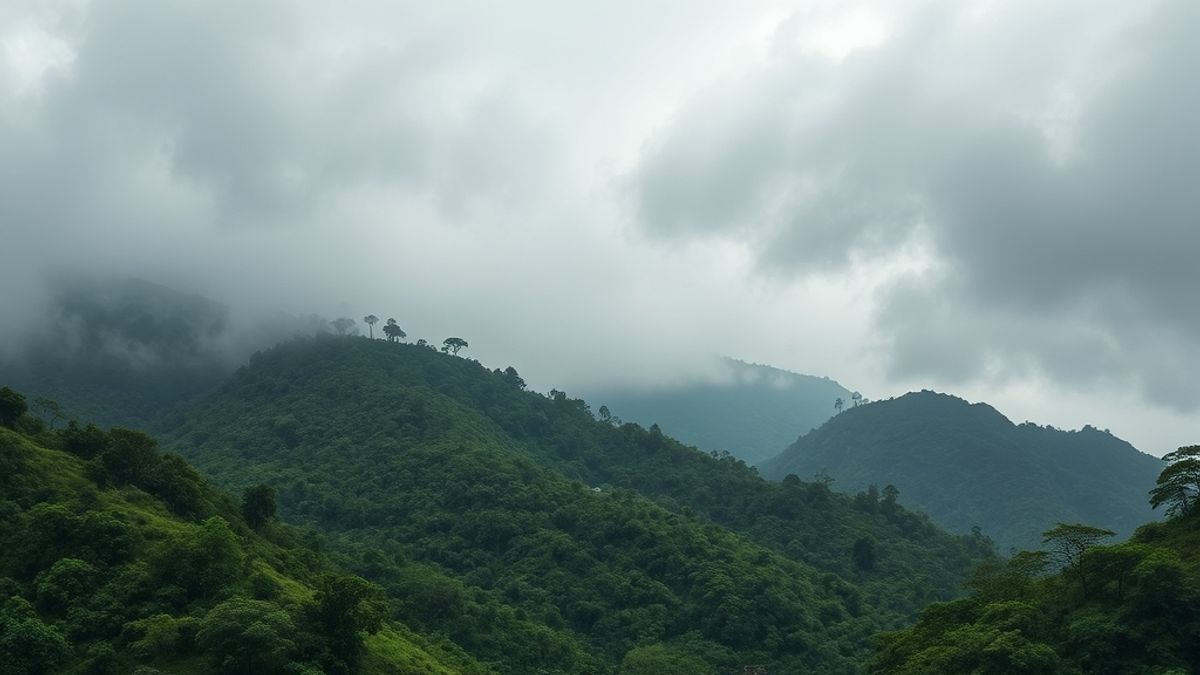
Mumbai is one of the best-placed big cities in India for a quick escape. Point yourself in almost any direction and within two or three hours you hit something worth the trip: UNESCO-listed cave temples on an island in the harbour, beach towns you reach by boat, misty ghats and waterfalls in the Sahyadris, and a car-free hill station that still moves at the pace of a horse. You do not need a long holiday to feel like you have left the city behind. You need an early start, a sense of the season, and a plan for getting back before the last ferry or train.
This guide rounds up the escapes that are genuinely doable from Mumbai, with honest notes on distance, transport and timing. Some are true half-days; others are better as an overnight if you can spare it. Read the season warnings carefully, because the same road or waterfall that is glorious in September can be closed or dangerous in July.
Quick reference: day trips at a glance
| Destination | Distance from Mumbai | Travel time (one way) | Best for | Best season |
|---|---|---|---|---|
| Elephanta Caves | ~10 km by sea | ~1 hr ferry | Rock-cut temples, half-day | Oct–Mar (closed Mondays) |
| Alibaug | ~95–100 km road / ~1 hr ferry | 1–3 hrs | Beaches, sea forts, seafood | Oct–May (ferries pause in monsoon) |
| Lonavala & Khandala | ~90–100 km | 2.5–3 hrs | Hills, waterfalls, caves | Jun–Sep for green; Oct–Feb for calm |
| Matheran | ~80 km to Neral | 2.5–3.5 hrs | Car-free forest walks | Oct–May (toy train pauses in monsoon) |
| Kanheri & SGNP | Within city (Borivali) | ~1–1.5 hrs | Caves + forest, cheapest escape | Jun–Feb (closed Mondays) |
| Karjat | ~65–70 km | 2–2.5 hrs | Monsoon riverside, farmstays | Jun–Oct |
| Murud-Janjira | ~165 km | 4–4.5 hrs | Island sea fort | Oct–Mar (long day/overnight) |
| Nashik vineyards | ~165–170 km | 3.5–4 hrs | Wine tours, cooler air | Nov–Feb (better as overnight) |
Before you pick a direction
Two questions decide most of your day: what season you are travelling in, and how you plan to move.
The season changes everything
From roughly June to September the monsoon rewrites the map. The Sahyadri ghats turn a deep, unreal green, waterfalls appear where there were only rock faces, and the hills around Lonavala and Karjat are at their most cinematic. But this is also when passenger ferries to Alibaug are suspended, the Matheran toy train usually pauses, and authorities impose real restrictions at dams, waterfalls and viewpoints after heavy rain. If you are chasing the green, lean towards the hill and waterfall escapes and check for closures before you leave. Our companion guide to monsoon getaways near Mumbai goes deeper on where the rains are a feature rather than a problem.
From October to February the weather is dry, mild and easy. This is the window for the coast — the beaches of Alibaug, the ferry to Elephanta, the sea forts — and for anything involving a boat. March to May turns hot and hazy; early mornings and hill stations are your friends.
How you plan to travel
Trains are usually the sane choice out of Mumbai. The suburban and outstation network reaches Neral (for Matheran), Karjat, Lonavala, Khandala and beyond, and it sidesteps the worst of the highway traffic. If you are new to it, the local train guide and the broader piece on getting around Mumbai are worth a look before you set out.
For the coast, a boat beats a car. The Gateway of India is the launch point for Elephanta and for the fast Mandwa catamarans to Alibaug; if you have not been down to the Apollo Bunder end of Colaba lately, the Gateway of India guide covers the area. Driving makes sense for places poorly served by rail — Murud-Janjira, parts of the Alibaug coast, the Nashik vineyards — but budget for tolls, fuel and the reality that the exits from the city are slow until you clear Vashi or Sion.
Elephanta Caves — the half-day by ferry
The easiest and, for the effort involved, most rewarding short escape from the city. Elephanta is a UNESCO-listed island of rock-cut Shiva cave temples sitting in Mumbai harbour, reached by an hour-long ferry from the Gateway of India. You can leave South Mumbai mid-morning and be back for a late lunch.
Getting there
Ferries run from the Gateway, with the first boats around 9am and the last outbound service around 2pm. The caves and the ferries are closed on Mondays, so plan for any other day. Buy your ticket at the jetty; you will usually choose between an economy lower deck and a slightly pricier upper deck, and a round trip typically runs in the low hundreds of rupees per adult. Once on the island, a short jetty walk leads to a small toy train (a modest extra charge) or a five-minute stroll to the base of the steps, followed by a climb up a stepped lane lined with stalls.
What to see
The reason to come is the great cave complex carved into the basalt: colonnaded halls, guardian figures, and above all the colossal three-headed Trimurti sculpture of Shiva, one of the most powerful images in Indian rock-cut art. Give yourself time to sit with it rather than photographing and moving on.
Practical notes
There is a monument entry ticket on top of the ferry fare; as at most nationally protected sites, foreign nationals pay a higher rate than Indian visitors. Wear shoes you can climb steps in, carry water, and keep an eye on the macaques, who are practised bag-snatchers. If you want the full story of the island and the sculptures, the dedicated Elephanta Caves day trip guide is the deeper read.
Alibaug — beaches across the harbour
Across the water from the city lies Alibaug, a coastal town of casuarina-lined beaches, weekend homes and easy seafood. It is Mumbai’s default beach fix, and it is best reached by boat rather than fought for by road.
Getting there
The quickest route is the catamaran from the Gateway of India to Mandwa jetty, roughly an hour at sea, followed by a short road hop (often a linked bus) to Alibaug town. These fast passenger boats run through daylight hours but are suspended during the monsoon, when the harbour gets rough. If you are travelling in the rains, or taking a car across, the year-round RoRo car ferry from Ferry Wharf (Bhaucha Dhakka) is the fallback. By road it is about 95–100 km and 2.5–3 hours via the Mumbai–Pune corridor and the coastal roads, longer if you leave late. Catamaran fares span a wide band depending on operator and class, from a few hundred rupees to well over a thousand for premium seats.
What to see
The main draws are the beaches — Alibaug, Kihim and Nagaon are the classics, with Nagaon known for banana-boat rides and stalls of fresh coconut. At low tide you can walk out to Kolaba Fort, a sea fort just off Alibaug beach, but only when the tide allows, so check the timings and never attempt the walk in the monsoon. For a wider sweep of the coast on either side of the city, the beaches near Mumbai getaway guide maps out the alternatives.
Practical notes
Alibaug is doable as a full day if you catch an early catamaran, but it rewards an overnight, especially if you want a long, slow seafood lunch and a sunset on the sand. Smaller beach shacks and stalls are cash-first, so carry notes.
Lonavala and Khandala — the classic hill run
The Lonavala–Khandala twin hill stations sit on the Mumbai–Pune corridor and are the reflexive answer to “where do we go for the weekend.” They are greenest and most dramatic in the monsoon, when the ghats run with waterfalls and the valleys fill with cloud.
Getting there
It is about 90–100 km and 2.5–3 hours, whether you take the Mumbai–Pune Expressway or the train. The rail option is genuinely pleasant: express and passenger trains from Mumbai stop at Lonavala and Khandala, and second-class fares are cheap, in the tens to low hundreds of rupees. Driving is faster off-peak but the Expressway backs up badly on Friday evenings and Sunday returns.
What to see
The set-piece sights are Bhushi Dam, where the monsoon overflow turns into an informal water park, Tiger’s Point (Tiger’s Leap) for the valley drop, and, quieter and older, the Karla and Bhaja Buddhist caves, rock-cut prayer halls and monasteries dating back over two thousand years. No trip is complete without a box of chikki, the local nut-and-jaggery brittle sold at every second shop. For the full itinerary, the Lonavala and Khandala day trip guide breaks it down stop by stop.
Practical notes
The monsoon caveat is real: authorities regularly impose temporary restrictions at Bhushi Dam, waterfalls and viewpoints during heavy rain, and people do get into trouble in fast water every year. Check the local advisories before you go, keep well back from swollen streams, and treat any barrier as non-negotiable. If chasing falling water is the whole point of your trip, read the waterfalls near Mumbai guide first so you pick ones that are safe to visit.
Matheran — the car-free hill station
Matheran is Asia’s only automobile-free hill station, and that single rule makes it one of the most unusual escapes in the region. No cars, no bikes, no auto-rickshaws — you get around on foot, on horseback, or in a hand-pulled rickshaw, on red-earth paths under a canopy of forest. The silence, once you are in, is the point.
Getting there
Take a train to Neral (about 80 km and 2.5–3.5 hours door to door from most of Mumbai), then continue up the hill by the heritage toy train or by shared taxi to Dasturi Naka. From Dasturi you walk the last stretch into town, since vehicles stop at the edge. The full narrow-gauge toy-train service is usually suspended in the peak monsoon, so in July and August plan on the taxi-and-walk combination. There is a small entry charge at the Dasturi checkpoint, and horses and rickshaws are negotiated on the spot.
What to see
The rewards are Charlotte Lake, Panorama Point for sunrise, and dozens of forest-fringed viewpoints scattered around the plateau — Echo Point, Louisa Point, One Tree Hill and the rest. Walking between them, rather than riding, is the best way to feel the place.
Practical notes
Matheran is doable as a very long day, but it is far better as an overnight; the town empties in the evening and the sunrise from Panorama Point is worth staying for. Wear proper shoes — the paths are rocky and, in the rains, slick — and carry cash, as card acceptance thins out quickly. The full Matheran day trip guide has the viewpoint-by-viewpoint detail.
Kanheri Caves and Sanjay Gandhi National Park — the escape inside the city
Not every escape needs a highway. In Borivali, at the northern end of the city, Sanjay Gandhi National Park wraps a genuine forest — leopards included — inside Mumbai’s limits, and hidden within it are the Kanheri Caves, a sprawling complex of over a hundred Buddhist rock-cut cells, halls and water cisterns carved into a basalt hillside across many centuries.
Getting there
Reach Borivali on the Western line, then take an auto, park bus or the in-park transport up to the caves. The park is generally closed on Mondays; entry fees are modest, with small extra charges for the caves and for the lion-and-tiger safari. Because it is inside the city, this is the cheapest and least logistically fraught “day trip” on the list — no ferries, no expressway, no last-boat anxiety.
What to see
Kanheri rewards slow wandering: the great pillared prayer hall, the ancient rock-cut water channels, and the views back over the forest canopy. Combine it with a walk or the safari zone in the wider park. The dedicated Kanheri Caves day trip and the broader Sanjay Gandhi National Park guides cover the routes and timings.
More escapes worth knowing
Beyond the headline five, a handful of trips are worth having in your back pocket for when you want something different.
Karjat — monsoon country and farmstays
About 65–70 km out and two to two-and-a-half hours by train or road, Karjat comes into its own in the rains, with riverside spots, small waterfalls and a cluster of farmstays and villas that fill up on monsoon weekends. It is an easy, unhurried alternative to the Lonavala crowds. See the Karjat monsoon day trip guide for where to go and when.
Murud-Janjira — the unconquered sea fort
Further down the Konkan coast, roughly 165 km and four to four-and-a-half hours by road, Murud-Janjira is a formidable island fortress that was never taken by land or sea. You reach the fort itself by sailboat from Rajapuri jetty. The distance makes this a long day at best and a comfortable overnight at worst, but the fort is one of the most atmospheric on the coast. The Murud-Janjira fort day trip guide has the sailing and timing details.
Malshej Ghat and Bhandardara
For misty ghats, monsoon waterfalls and quiet lakes in the Sahyadris, Malshej Ghat and Bhandardara are superb in and just after the rains — Malshej even draws flamingos to its pools in season. Both are better as unhurried overnights than rushed day trips given the driving involved.
Nashik — vineyards and cooler air
About 165–170 km and 3.5–4 hours out, Nashik is India’s wine country, with estates offering tastings, tours and long lunches among the vines. It is honestly more of an overnight than a day trip, but if you leave at dawn it can be done in a very long day. The Nashik vineyards wine tour guide lays out a sensible route.
Karnala and the Sahyadri forts
For the active, Karnala bird sanctuary and its hilltop fort, along with the string of trekking forts in the Sahyadris, make for rewarding, sweaty days out. The treks near Mumbai and monsoon treks guides — and, if you want to stay out overnight, the camping near Mumbai guide — will point you to routes matched to your fitness and the season.
Practical playbook for day trips
A few habits separate a smooth day out from a frustrating one.
Timing and traffic
Start early. Beat the traffic out of the city — the exits towards Vashi, Panvel and Sion crawl by mid-morning — and make the most of daylight, especially for the caves and hills. Aim to be on the road or the platform by 7 or 8am for a day trip. For ferries, remember the outbound services are limited: the last boat to Elephanta leaves the Gateway around 2pm, and you must plan your return around the last boat back.
Monsoon rules
Mind the season. Passenger ferries to Alibaug stop in the rains, the Matheran toy train usually pauses, and hill waterfalls come with genuine restrictions and dangers. Check the day’s advisories, obey barriers at dams and viewpoints, and keep well back from fast-moving water. In the dry months the calculus flips and the coast opens up. For a broader read on travelling in the rains, see the monsoon getaways near Mumbai guide.
Money, booking and what to carry
Book ahead in season. Reserve ferries and toy-train seats for peak-season weekends, when walk-up tickets sell out. Check closed days — Elephanta shuts on Mondays, as does Sanjay Gandhi National Park — and check tide times if you plan to walk out to Kolaba Fort. Carry cash, since smaller stalls, shacks and hill towns are far less card-friendly than the city, along with water, snacks, and sun or rain protection to suit the season. Pack light, wear shoes you can climb and walk in, and keep a power bank handy for the long day.
The bottom line
You are genuinely spoiled for escapes from Mumbai. For a half-day, take the ferry across the harbour to Elephanta and stand before the Trimurti. For sand and seafood, boat over to Alibaug. For hills and green, run up to Lonavala, lose the car entirely in car-free Matheran, or, if you barely want to leave the city, walk into the forest to the Kanheri Caves. Start early, plan around the monsoon and the closed days, carry cash and water, and the whole coast and the mountains open up within a couple of hours of the city.
Frequently Asked Questions
What are the best day trips from Mumbai?
The most rewarding short escapes are Elephanta Caves (a half-day by ferry from the Gateway of India), Alibaug for beaches and sea forts, Lonavala and Khandala for hills and waterfalls, and car-free Matheran. If you want to stay within the city, the Kanheri Caves inside Sanjay Gandhi National Park in Borivali are the cheapest, easiest option. Karjat, Murud-Janjira and Nashik's vineyards are good longer-day or overnight alternatives.
Which day trips from Mumbai are best in the monsoon?
The hill and waterfall escapes are at their best in the rains, roughly June to September, when the Sahyadris turn deep green. Lonavala, Karjat, Malshej Ghat and Bhandardara are excellent monsoon choices. Avoid the coast during heavy rain, though: passenger ferries to Alibaug are suspended, the Matheran toy train usually pauses, and dams and waterfalls near Lonavala often face safety restrictions. Always check the day's advisories and never cross barriers near fast-moving water.
How do you get to Elephanta Caves from Mumbai and when is it closed?
Take a ferry from the Gateway of India in South Mumbai; the crossing takes about an hour, with the first boats around 9am and the last outbound service around 2pm. The caves and the ferries are closed on Mondays, so plan for any other day. Expect a round-trip ferry fare in the low hundreds of rupees per adult, plus a separate monument entry ticket, with foreign nationals paying a higher rate than Indian visitors.
Can you visit Alibaug from Mumbai in a single day?
Yes, if you catch an early catamaran from the Gateway of India to Mandwa, which takes about an hour, and head back before the last boat. By road it is roughly 95 to 100 km and 2.5 to 3 hours. Note that the fast passenger catamarans are suspended during the monsoon, when the year-round RoRo car ferry from Ferry Wharf is the alternative. Alibaug rewards an overnight, but a full day is enough for a beach and a seafood lunch.
Why is Matheran called a car-free hill station and how do you reach it?
Matheran is Asia's only hill station where motor vehicles are banned entirely; you get around on foot, horseback or hand-pulled rickshaw. To reach it, take a train to Neral, then continue up by the heritage toy train or a shared taxi to Dasturi Naka, and walk the final stretch into town since vehicles stop at the edge. The toy-train service is usually suspended in the peak monsoon, so in July and August plan on the taxi-and-walk route.
What is the closest day trip if you don't want to leave Mumbai?
The Kanheri Caves inside Sanjay Gandhi National Park in Borivali are effectively a day trip within city limits. You reach them via Borivali on the Western line, then an auto or park transport into the forest. It is the cheapest and least stressful option, with no ferries or expressway involved, though the park is generally closed on Mondays. The site holds over a hundred Buddhist rock-cut caves set in genuine forest.