Himalayan Herb Jimbu Emerges as Unlikely Savior for Nepal's Snow Leopards
Traditional Nepalese spice prevents crop raids, keeping endangered snow leopards away from villages.

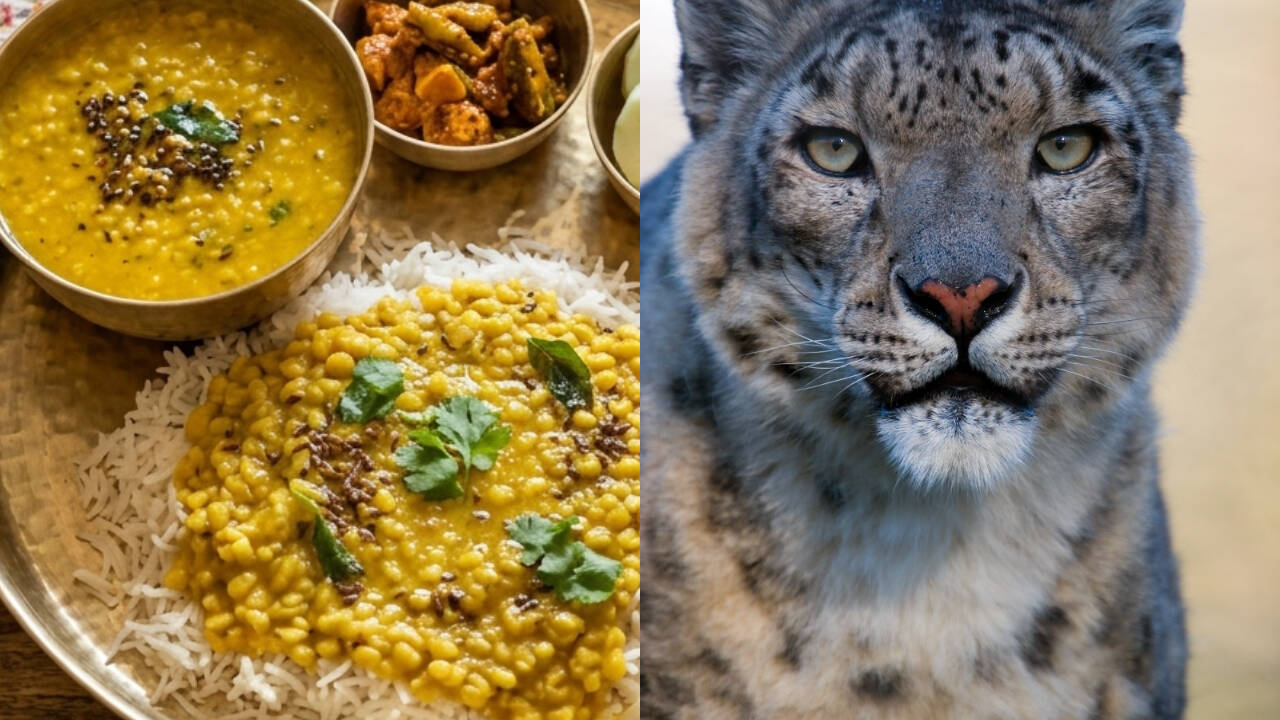
An unexpected conservation breakthrough is unfolding in the Himalayas, where a humble culinary herb is proving to be a powerful tool in protecting one of the world's most endangered big cats. Jimbu, a pungent Himalayan plant traditionally used in Nepalese cuisine, particularly in the iconic Dal Bhat Thali, is now being leveraged to reduce human-wildlife conflict and save snow leopards from extinction.
The innovative approach works through a simple but effective ecological chain. The strong aroma of Jimbu naturally repels blue sheep, which are the primary prey of snow leopards. By strategically using the herb to deter these herbivores from raiding crops in agricultural areas, communities can reduce the incentive for blue sheep to approach human settlements and farmland. This, in turn, keeps hungry snow leopards away from villages, significantly decreasing the likelihood of livestock losses that prompt retaliatory killings by local herders.
Snow leopards have long faced severe threats from human-wildlife conflict in the region. When the animals venture near villages to hunt livestock, angry farmers and herders often resort to killing them. Additionally, poaching and habitat loss have decimated populations across the Himalayan range. The species is classified as vulnerable, with only an estimated 4,000 to 6,500 individuals remaining in the wild.
This creative conservation strategy offers a win-win solution for both wildlife and local communities. By protecting snow leopards through non-lethal means, the project addresses the root cause of conflict rather than merely treating symptoms. A pilot initiative is now underway to domesticate Jimbu cultivation, making the herb more readily available for widespread deployment across snow leopard habitats in Nepal and potentially across the broader Himalayan region.