India Insists Pakistan Must End Terror Support to Revive Indus Waters Treaty
New Delhi maintains firm stance on suspended water-sharing agreement, citing terrorism concerns.

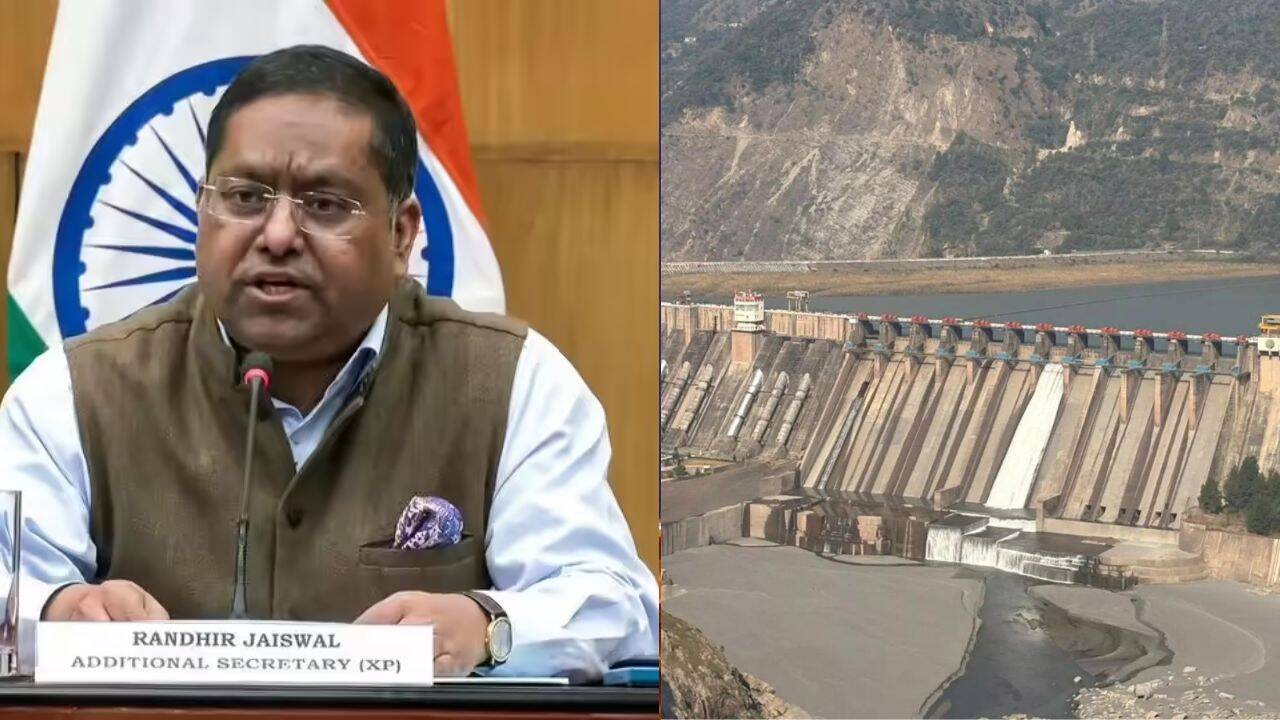
India has reaffirmed its position that the Indus Waters Treaty will remain suspended until Pakistan stops supporting cross-border terrorism. The Ministry of External Affairs made this clear in recent statements, underscoring that the bilateral water-sharing agreement cannot move forward under current circumstances.
India's demand is straightforward: Pakistan must cease its backing of terror groups operating against Indian interests. This stance reflects the growing tension between the two nations over security issues. The MEA's repeated emphasis on this condition signals that New Delhi views counterterrorism efforts as a prerequisite for resuming any meaningful dialogue on shared water resources.
The Indus Waters Treaty, signed in 1960, is one of the world's most successful international water-sharing agreements. However, its functioning has been severely strained following militant attacks and cross-border incidents. The suspension highlights how geopolitical tensions can impact critical infrastructure agreements between neighboring nations.
Simultaneously, India has engaged with Bangladesh regarding the Teesta River project, offering assurances of cooperation. These discussions emphasize India's commitment to regional water management through transparent consultation and mutual agreement. The government's balanced approach—firmness with Pakistan and dialogue with Bangladesh—demonstrates its broader strategy on transboundary water issues.
The suspension remains a significant irritant in Indo-Pak relations, with both countries locked in competing positions. India's condition on terrorism reflects a hardline stance that shows no sign of softening in the near term. Without substantial changes in Pakistan's security policies, experts believe the treaty's status quo is unlikely to change soon.
Source: Times of India