Europe charts independent defence path with $900 billion military expansion
European nations boost defence spending dramatically to reduce reliance on US military support.

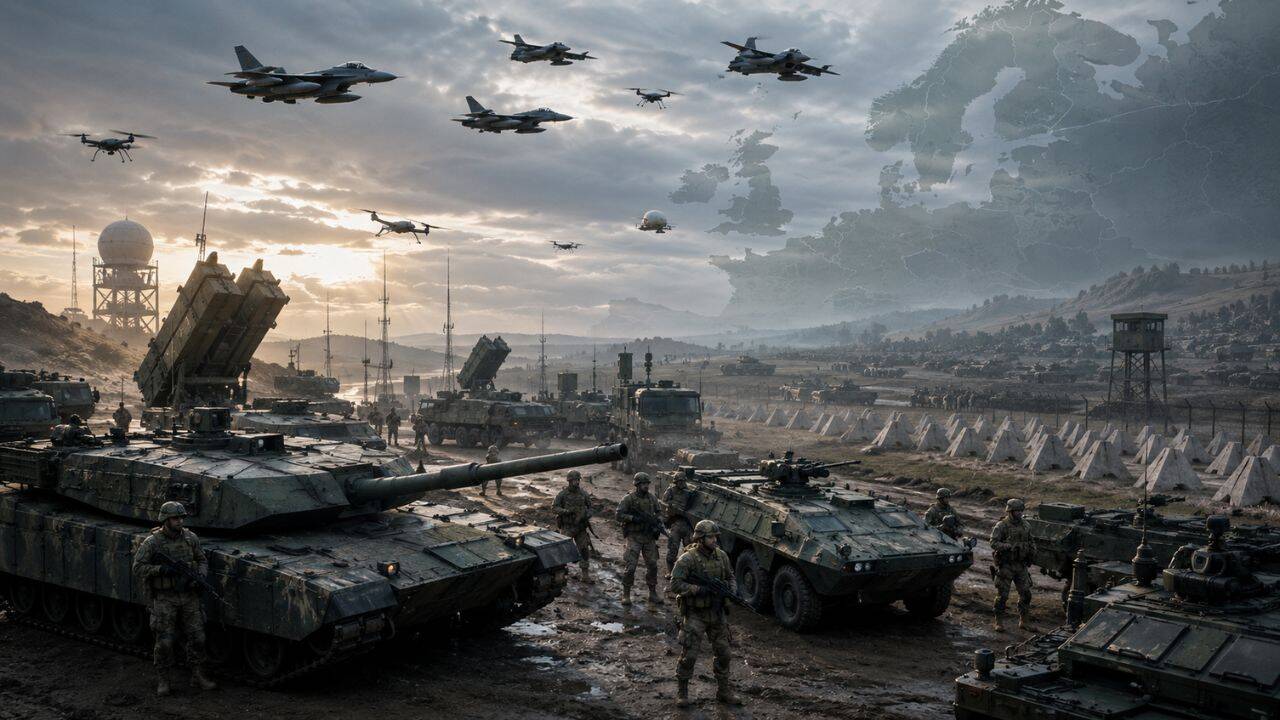
Europe is undertaking an unprecedented military transformation, committing approximately $900 billion to strengthen its defence capabilities independent of American support. This strategic shift marks a significant realignment in global security dynamics as nations across the continent accelerate weapons production, modernise armed forces, and expand military budgets.
The continental push reflects growing concerns about sustained American commitment to European security, particularly following shifting geopolitical priorities in Washington. Major European powers are investing heavily in indigenous weapons systems, cyber defence infrastructure, and joint military initiatives to create a credible, self-reliant defence apparatus. NATO members are intensifying cooperation on advanced technologies including artificial intelligence and autonomous systems for battlefield applications.
This defence overhaul comes amid escalating tensions in Eastern Europe and renewed uncertainties surrounding transatlantic security guarantees. Europe's military spending surge demonstrates the continent's determination to develop strategic autonomy rather than depend entirely on US military assets and intelligence networks. The initiative signals a fundamental restructuring of post-Cold War security arrangements that have traditionally centred on American military leadership.
For India and emerging markets, Europe's military reorientation carries implications for global power distribution. A more militarily assertive Europe could reshape international diplomatic leverage and influence defence partnerships across Asia and Africa. The development also underscores broader trends wherein nations increasingly pursue indigenous defence capabilities rather than relying on traditional security partnerships.
Experts suggest this European transformation, while strengthening continental security, may require years to fully materialise. The success of this ambitious programme will determine whether Europe can genuinely operate as an independent security actor or whether traditional transatlantic bonds remain foundational to continental stability.