Centre Debunks Top 10 Misconceptions About E20 Petrol Fuel
Government clarifies myths around E20 petrol, citing scientific backing and international precedent.

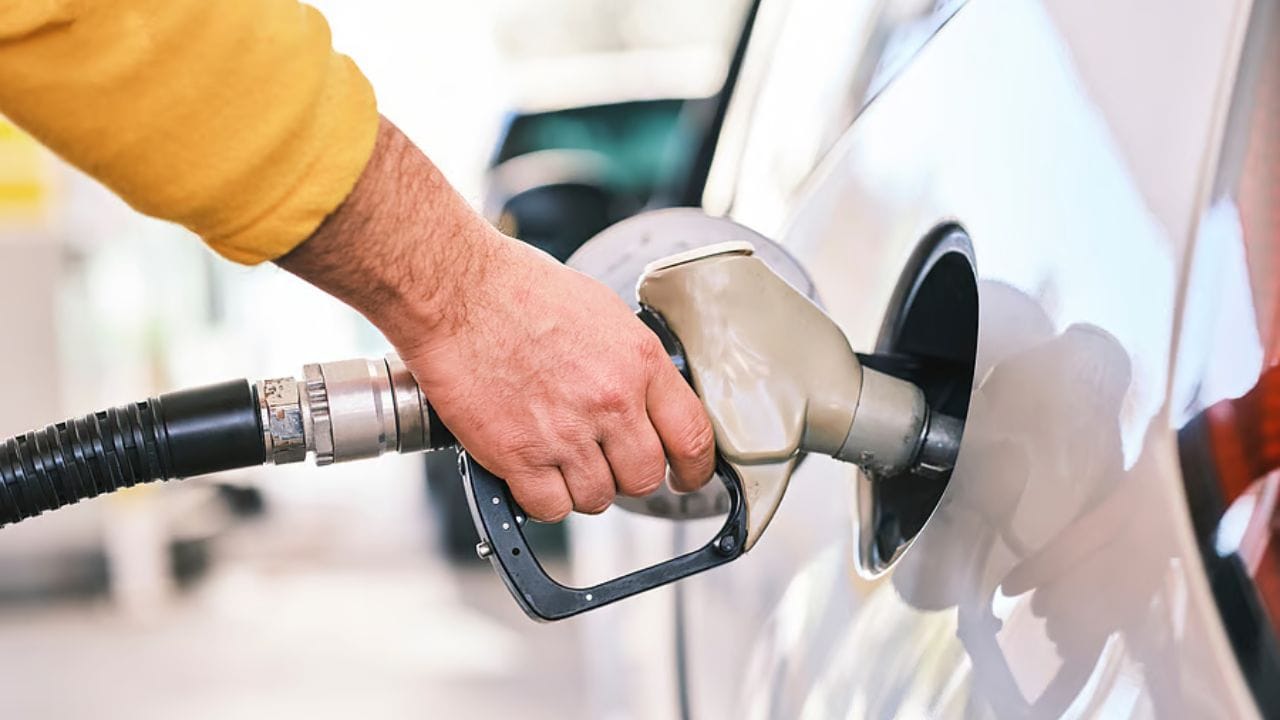
The Ministry of Petroleum and Natural Gas has released a comprehensive clarification addressing widespread concerns about E20 petrol, which blends up to 20% ethanol with conventional fuel. The government's 10-point rebuttal aims to dispel misconceptions that have circulated among Indian consumers and vehicle owners regarding the safety and viability of this fuel variant.
The ministry emphasized that the E20 fuel programme is underpinned by rigorous scientific research, proven international experience, and robust regulatory frameworks. Officials stated that concerns about engine damage, excessive water absorption, and fuel efficiency loss are not supported by evidence from countries that have successfully implemented ethanol-blended fuels.
E20 petrol represents India's broader push toward sustainable fuel alternatives and reduced petroleum dependency. The initiative aligns with global trends favoring renewable energy sources and addresses environmental concerns associated with conventional fossil fuels. Several developed nations have already adopted similar ethanol-blended petrol programmes with positive results.
The government's clarification is significant for India's automotive sector and consumers. As the nation transitions toward greener fuel options, dispelling myths becomes crucial for public acceptance and wider adoption. Vehicle manufacturers and fuel retailers have been preparing infrastructure to support E20 distribution across petrol pumps.
The ministry's detailed response suggests the government is committed to addressing public apprehension through evidence-based communication. This proactive approach may help accelerate E20 adoption in the Indian market, supporting the nation's environmental and energy security objectives.