India approves three advanced air defence systems to strengthen national security
India's Defence Acquisition Council has cleared procurement of three cutting-edge weapon systems—MR-SAM, V-SHORADS, and Akash Tarang—to bolster protection against aerial threats and drones. These systems will form part of a nationwide integrated air defence network.

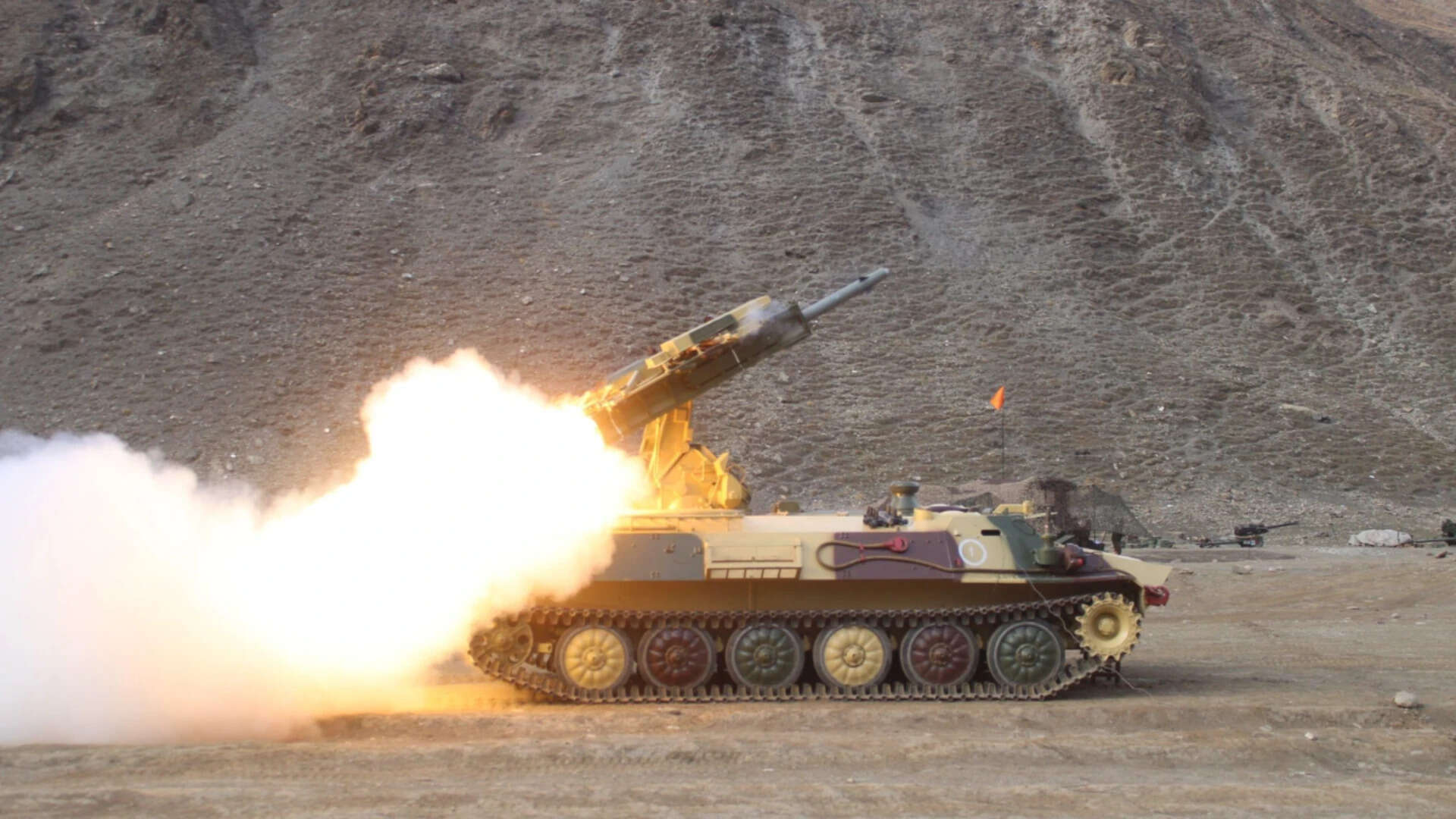
India has taken a significant step forward in modernising its air defence capabilities by securing government approval for three advanced weapon systems designed to protect against multiple aerial threats including drones, missiles, and aircraft.
The Defence Acquisition Council has cleared the procurement of the Medium Range Surface-to-Air Missile (MR-SAM), the Very Short Range Air Defence System (V-SHORADS), and the Akash Tarang Anti-UAV Electronic Warfare System. These weapons represent a comprehensive approach to national air security, each designed to address specific threat categories at different altitudes and ranges.
The MR-SAM system is engineered to intercept targets at medium ranges, providing coverage across a significant geographical area. The V-SHORADS focuses on close-range air defence, protecting critical installations and troop concentrations from lower-altitude threats. The Akash Tarang system represents India's growing focus on counter-unmanned aerial vehicle technology, using electronic warfare capabilities to neutralise drone threats—an increasingly important concern in modern warfare.
These three systems are intended to work together as part of Sudarshan Chakra, an ambitious nationwide integrated air defence network that aims to create a unified shield across Indian territory. This development builds upon operational lessons and combat experience gained during Operation Sindoor, indicating that India is continuously refining its defence strategies based on real-world scenarios and evolving security challenges.
The integration of these systems will significantly enhance India's ability to detect, track, and neutralise aerial threats across multiple layers of altitude and range. This multi-layered approach ensures that no gap exists in the nation's air defence coverage, from high-altitude aircraft to low-flying drones.
The approval signals India's commitment to technological self-reliance in defence manufacturing and maintaining operational readiness against contemporary and emerging aerial threats. The systems will strengthen India's defensive posture in an increasingly complex security environment.