US Secret Service missed radio alerts before Trump shooting, report finds
A damning investigation reveals the US Secret Service ignored critical police communications and failed to deploy working counter-drone systems ahead of an assassination attempt on President Trump in Pennsylvania last year.

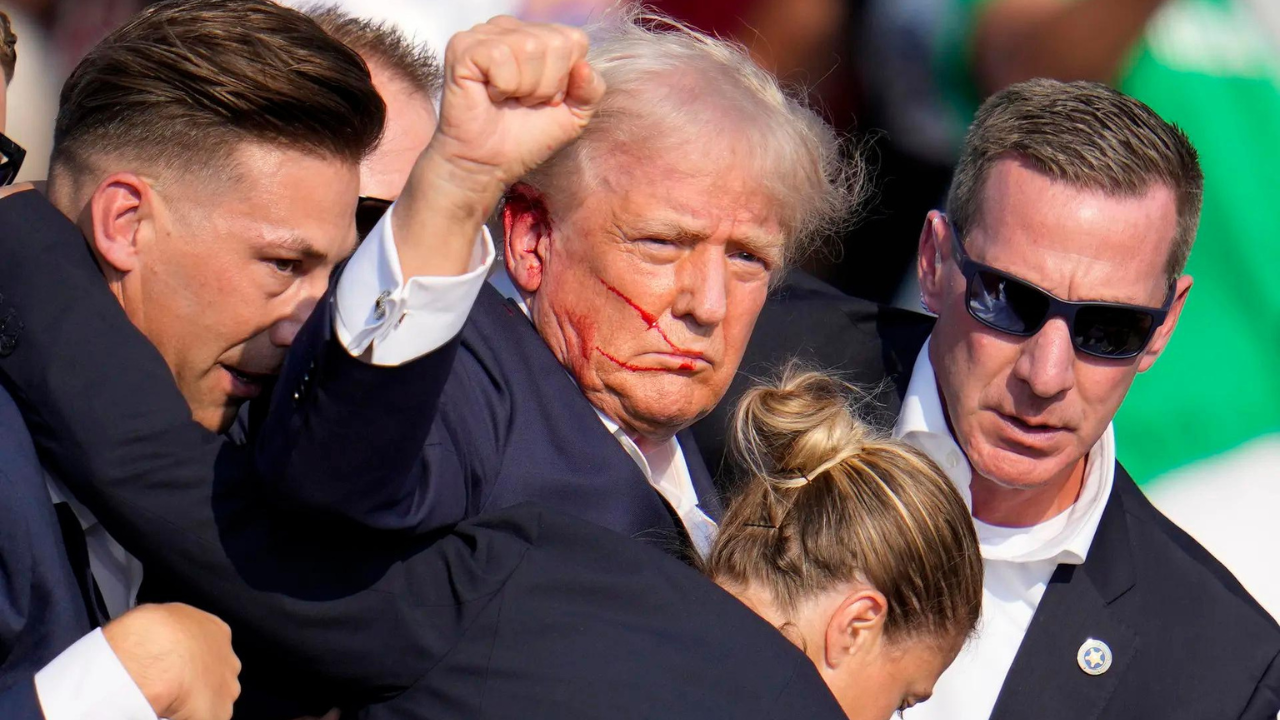
A comprehensive review of security failures surrounding the 2024 assassination attempt on US President Donald Trump has exposed significant lapses in the Secret Service's operational readiness and inter-agency communication protocols.
According to an official report, the Secret Service missed at least 102 critical alerts transmitted over local police radio networks in the hours leading up to the shooting incident in Pennsylvania. The agency had failed to establish a unified communications command centre that would have consolidated information from multiple law enforcement agencies, leaving officials operating in information silos with minimal situational awareness.
One of the most alarming failures involved the counter-drone defence system, which remained inoperable during the critical period preceding the attack. Investigators discovered that an unmanned drone had conducted a surveillance flight over the area before the shooting, but the non-functional detection equipment could not identify or track this reconnaissance activity. This oversight proved catastrophic, as the drone reconnaissance likely aided the gunman's planning and execution of the attack.
The report underscores a fundamental breakdown in the coordination between federal and state law enforcement agencies. Local police departments had transmitted warnings and observations through their communication channels, but the Secret Service's failure to monitor these frequencies meant vital intelligence never reached the presidential protection detail. This communication gap directly undermined the multilayered security architecture intended to shield the President.
The shooting resulted in casualties among both security personnel and civilians, with several individuals injured during the incident. The report's findings have prompted serious questions about Secret Service protocols, training procedures, and resource allocation for presidential protection operations.
Following the investigation's release, federal authorities have announced a comprehensive overhaul of inter-agency communication procedures and vowed to implement mandatory counter-drone systems at all future presidential events. Security experts have called for independent oversight mechanisms and improved integration between federal and local law enforcement agencies to prevent similar failures in the future.