Indian man reveals torture, electric shocks in Myanmar captivity ordeal
Beed resident escapes Myanmar labor trafficking ring; 800 Indians still trapped in forced work camps.

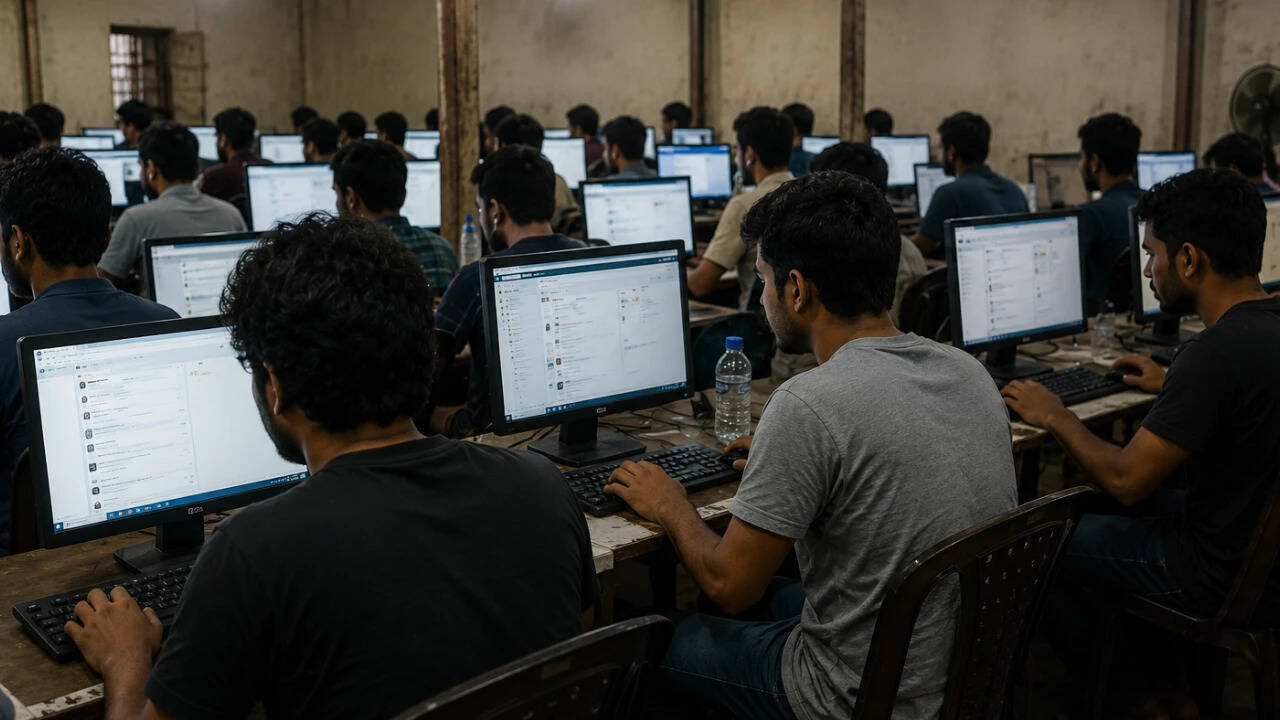
A man from Beed district in Maharashtra has disclosed harrowing details of his imprisonment in Myanmar, where he was subjected to torture including electric shocks while forced into labor. After managing to escape, he contacted his family to expose a vast human trafficking network operating across Southeast Asia that has ensnared approximately 800 Indian nationals.
The victim, who was lured to Myanmar under false employment promises, described systematic abuse by traffickers who confined workers in camps and denied them basic freedoms. He reported being electrocuted as punishment for attempting escape or failing to meet work quotas. His testimony reveals a coordinated operation involving local smugglers and organized crime syndicates that specifically target vulnerable Indians seeking overseas jobs.
Investigations suggest the trafficking ring operates by posting attractive job advertisements online, primarily targeting desperate job seekers from rural Maharashtra and other economically weaker regions. Once victims arrive in Myanmar, their documents are confiscated and they are forced into various illegal activities including online scams and labor exploitation.
Authorities in both India and Myanmar have been alerted, though coordinated rescue operations remain challenging due to border complexities and jurisdictional issues. The Beed man's escape has prompted the Maharashtra Police and Central agencies to intensify efforts to track down traffickers operating within Indian borders.
Experts warn that the COVID-19 pandemic accelerated such trafficking as joblessness surged. Families seeking overseas opportunities are urged to verify employer credentials through official channels and register with their embassy before traveling. NGOs working on human trafficking cases estimate that hundreds more victims may be trapped in similar conditions across Thailand, Cambodia, and Laos as well.
The case highlights growing concerns about organized trafficking networks exploiting India's youth and the urgent need for stronger international cooperation to dismantle these syndicates.