El Niño Set to Intensify, Triggering Extreme Weather Across India
World meteorological body warns of amplified El Niño conditions threatening monsoon patterns and severe weather.


The World Meteorological Organization has cautioned that El Niño conditions are expected to strengthen significantly over the coming months, raising concerns about widespread extreme weather events. The global climate phenomenon poses particular risks for India, where its effects could disrupt established weather patterns and create dangerous conditions for millions.
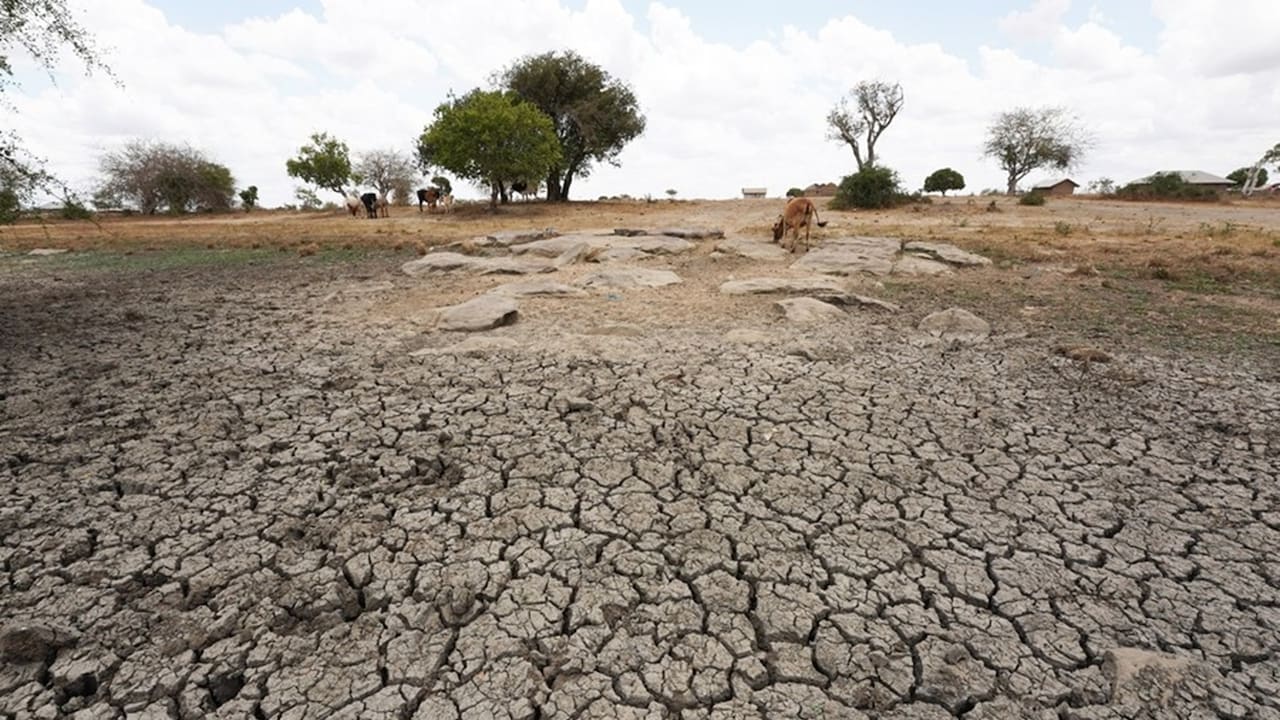
El Niño typically weakens the Indian monsoon system, reducing rainfall across agricultural regions and threatening food security. Beyond monsoon disruption, the warming ocean temperatures associated with this climate cycle can trigger severe weather phenomena including intense heatwaves, unexpected precipitation patterns, and other meteorological anomalies that challenge infrastructure and public safety.
The monsoon season is crucial for India's agricultural output, with farmers depending heavily on predictable rainfall patterns for crop irrigation and productivity. When El Niño conditions persist, these patterns become erratic, affecting harvests and rural livelihoods. Additionally, extreme weather events—whether droughts, floods, or temperature extremes—impose substantial costs on the economy and public resources.
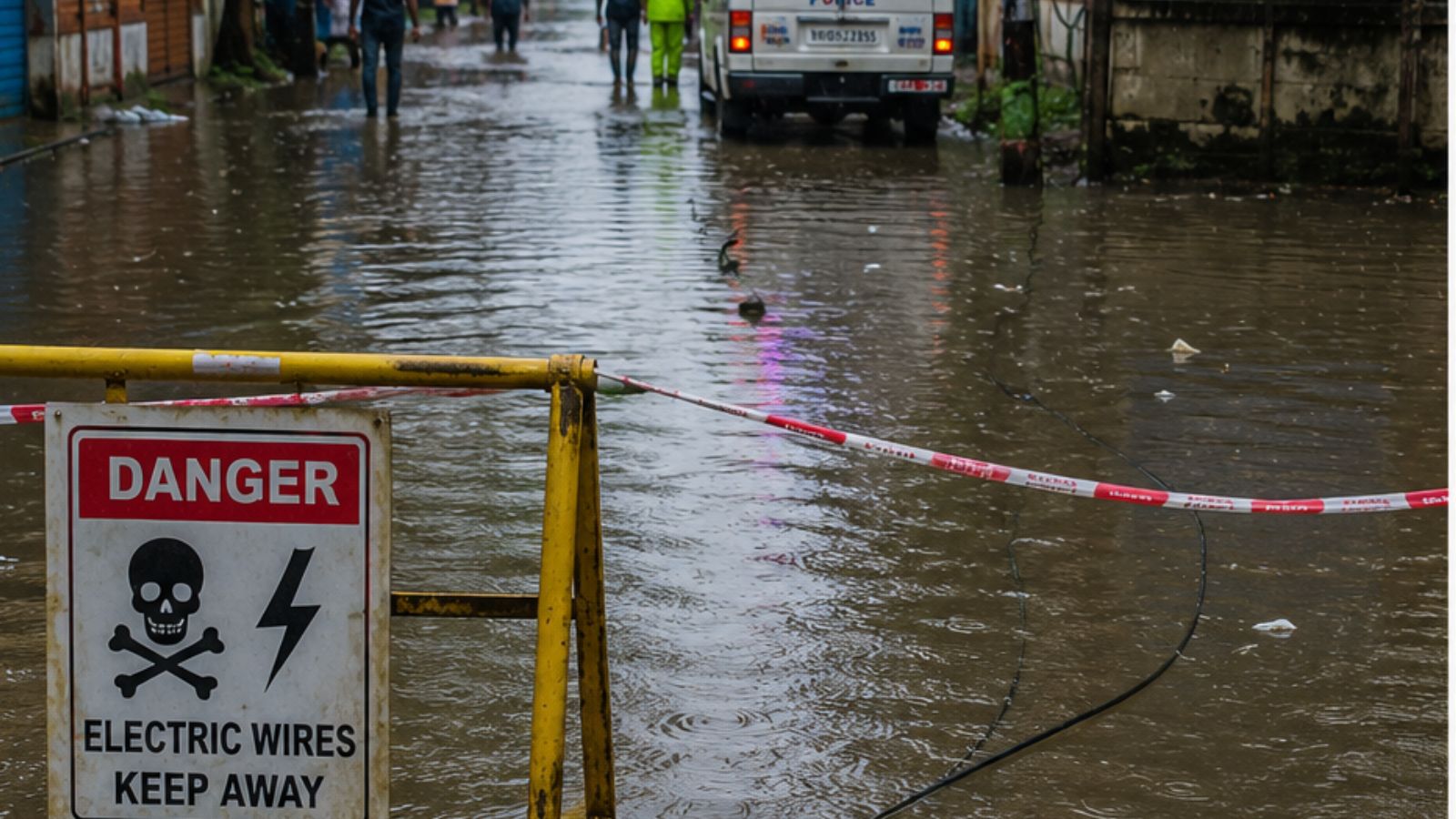
For Mumbai and coastal regions, El Niño can alter typical weather behavior, potentially affecting the southwest monsoon intensity and timing. Urban areas face increased risks from flooding, infrastructure damage, and health-related emergencies during such periods. Meteorological agencies are urging preparedness measures across sectors including agriculture, disaster management, and urban planning.
India's meteorological department is likely to issue updated forecasts in the coming weeks to help stakeholders prepare for anticipated weather patterns. Farmers, policymakers, and civic authorities are advised to review contingency plans and strengthen early warning systems. Monitoring El Niño progression will remain critical for resource planning and disaster prevention strategies throughout the year.
Source: Hindustan Times