Indore Plants 50,000 Saplings Towards 21 Lakh Goal
Indore takes step towards greener city, minister warns officials on sapling care.
'%3E%3Crect%20width%3D'96'%20height%3D'96'%20fill%3D'%23B3261E'%2F%3E%3Ccircle%20cx%3D'30'%20cy%3D'24'%20r%3D'44'%20fill%3D'%23fff'%20opacity%3D'.12'%2F%3E%3Ccircle%20cx%3D'60'%20cy%3D'74'%20r%3D'40'%20fill%3D'%23000'%20opacity%3D'.10'%2F%3E%3C%2Fg%3E%3Cg%20fill%3D'%23fff'%3E%3Crect%20x%3D'29'%20y%3D'49'%20width%3D'8'%20height%3D'19'%20rx%3D'1'%2F%3E%3Crect%20x%3D'39'%20y%3D'40'%20width%3D'9'%20height%3D'28'%20rx%3D'1'%2F%3E%3Crect%20x%3D'50'%20y%3D'45'%20width%3D'8'%20height%3D'23'%20rx%3D'1'%2F%3E%3Crect%20x%3D'60'%20y%3D'53'%20width%3D'7'%20height%3D'15'%20rx%3D'1'%2F%3E%3Crect%20x%3D'41'%20y%3D'34'%20width%3D'5'%20height%3D'6'%2F%3E%3C%2Fg%3E%3C%2Fsvg%3E)
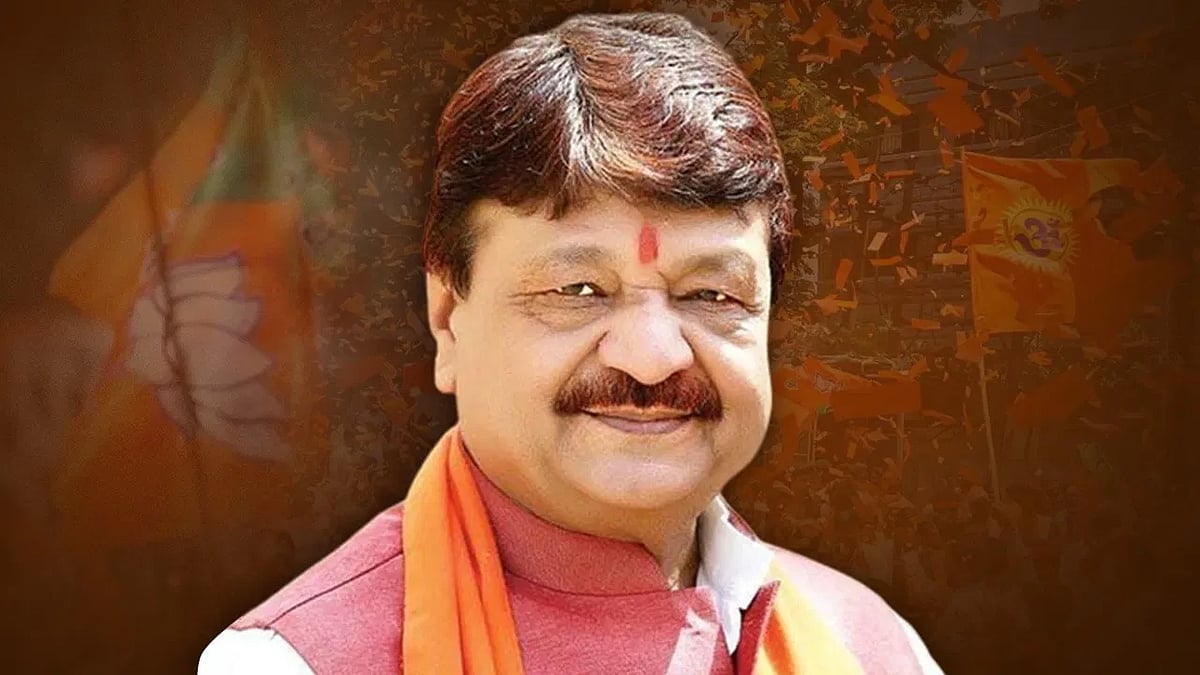
Indore, Madhya Pradesh, took a significant step towards becoming a greener city and an 'oxygen bank' with the planting of 50,000 saplings on forest land opposite Bijasan Tekri at Ramna on Sunday.
Urban Development and Housing Minister Kailash Vijayvargiya addressed the gathering, stating that the city aims to plant 21 lakh saplings this year. So far, around 1.5 lakh saplings have been planted, with the administration targeting nearly one lakh saplings every day during the monsoon season.
Minister Vijayvargiya emphasized the importance of maintaining the newly planted saplings, warning forest officials that plantation alone is not enough and their protection is equally crucial. He mentioned that despite arranging borewells to address water shortages, proper maintenance of the plants was still lacking. Vijayvargiya stated that if the Forest Department fails to protect these saplings, public representatives will take responsibility.
The minister announced plans to plant nearly 3.5 lakh trees in over 1,000 public gardens across the city, with 25% of each colony park being developed into dense forests, creating small 'oxygen zones' across Indore. Industries, hotel associations, and social organisations will be assigned different sectors to ensure the long-term care of the plantations. Nurseries will also be developed to replace saplings that fail to survive.
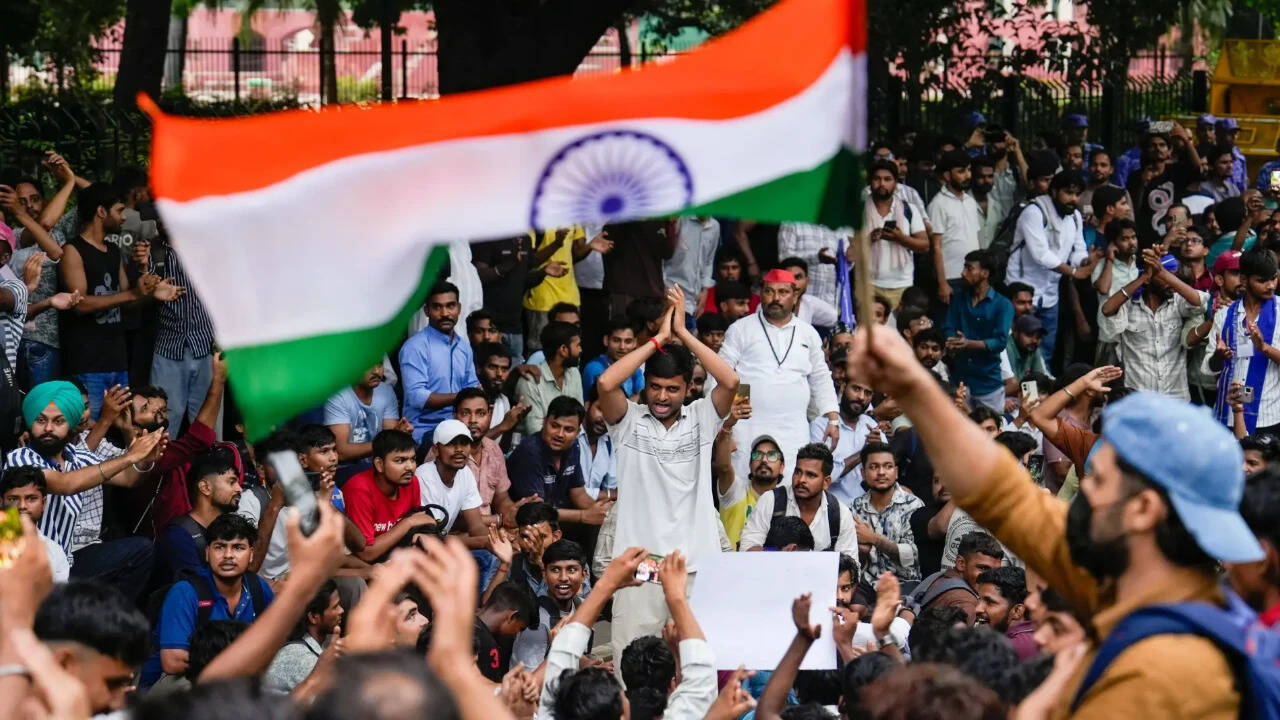
Vijayvargiya praised tree plantation as a noble act, comparing it to building a temple dedicated to Lord Shiva. He also criticized the Opposition over the recent protest at Jantar Mantar, alleging that foreign forces are trying to influence India's youth and accusing opposition parties of using young people for political purposes.
The saplings planted at the Ramna site were mostly sourced from Rajahmundry in Andhra Pradesh, with many being up to 10 feet tall. The plantation drive aims to increase green cover, conserve biodiversity, and improve air quality. Several officials, including Mayor Pushyamitra Bhargav, MLA Madhu Verma, and BJP city president Sumit Mishra, participated in the event.
The initiative is part of Indore's efforts to become a greener city, with a focus on increasing the city's green cover and improving air quality. The city's administration is working towards creating a sustainable environment, with the participation of citizens, officials, and organizations.
In the context of India's growing environmental concerns, Indore's efforts to increase its green cover are significant. The city's target of planting 21 lakh saplings this year is ambitious, and the administration's plans to ensure the maintenance and protection of the saplings are crucial to the success of the initiative.
The significance of this initiative lies in its potential to improve air quality, conserve biodiversity, and create a sustainable environment in Indore. As the city continues to grow and develop, it is essential to prioritize environmental conservation and sustainability. The participation of citizens, officials, and organizations in this initiative is a positive step towards creating a greener and more sustainable Indore.
In conclusion, Indore's efforts to plant 50,000 saplings and achieve its target of 21 lakh saplings this year are a significant step towards becoming a greener city. The administration's focus on maintaining and protecting the saplings, as well as creating 'oxygen zones' across the city, demonstrates its commitment to environmental conservation and sustainability.
This initiative has the potential to make a positive impact on the environment and the quality of life in Indore, and its success will depend on the continued participation and support of citizens, officials, and organizations.
Frequently asked questions
What is Indore's target for sapling plantation this year?
Indore aims to plant 21 lakh saplings this year.
What is the purpose of the sapling plantation drive in Indore?
The drive aims to increase green cover, conserve biodiversity, and improve air quality.