Indian Hair Waste Becomes Global Commodity Worth Millions, Exported to China
What Indians once discarded is now a multi-million dollar industry. Discarded hair from India flows to China's wig capital, processed into extensions and wigs for global markets, revealing hidden supply chains in the beauty industry.

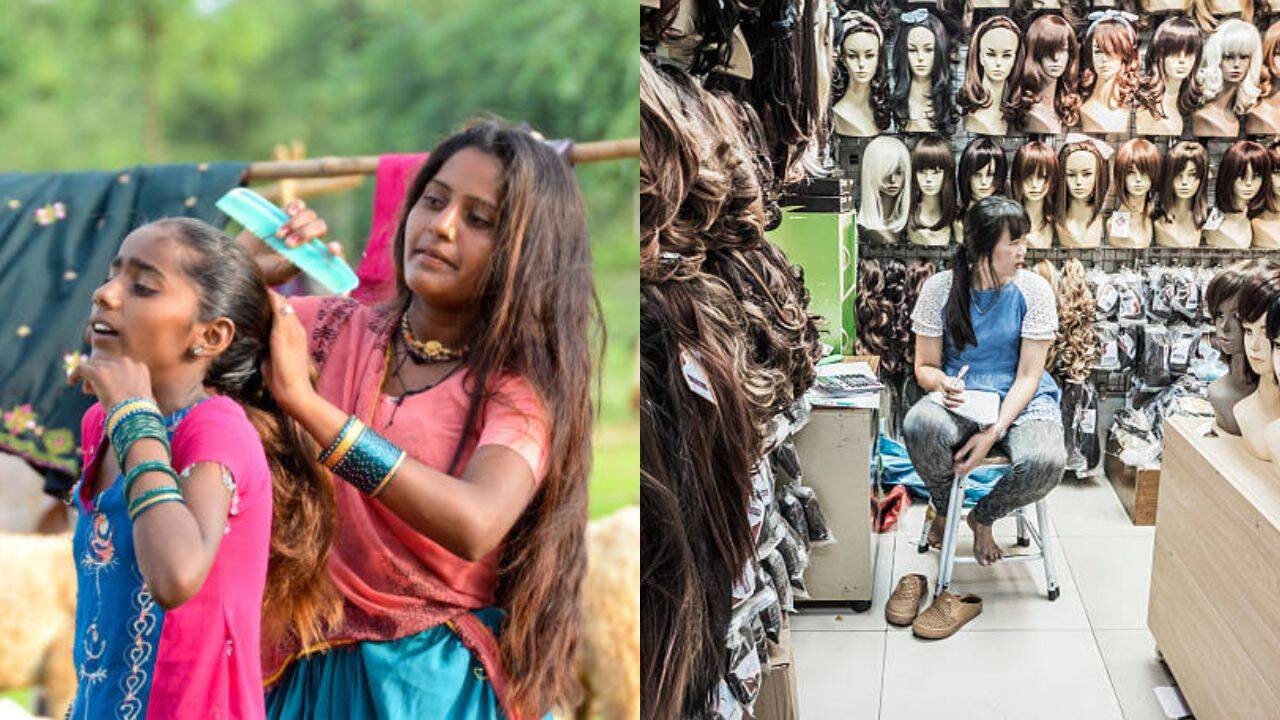
India's discarded hair has transformed into a valuable commodity in a booming global trade worth millions of dollars annually. What was once considered waste is now being systematically collected, processed, and exported to China, establishing a significant economic pipeline between the two nations that few consumers realise exists.
The epicentre of this industry is Xuchang, a city in central China that has earned the title of the world's 'wig capital.' This manufacturing hub imports vast quantities of raw human hair sourced from India, where the material originates from daily grooming practices, salon waste, and temple donations. The Indian hair arrives at Chinese processing facilities where workers undertake meticulous labour to transform it into finished wigs, hair extensions, and hairpieces. However, the workers involved in this labour-intensive process earn modest wages despite the high market value of the final products.
The supply chain extends far beyond China and India. Brazil has emerged as a major consumer of these manufactured hair products, demonstrating how interconnected global beauty and fashion markets have become. The intricate network of collection, processing, export, and retail creates an invisible but substantial economic system that underpins the multi-billion dollar hair extensions and wig industry worldwide.
This trade highlights the often-overlooked global supply chains that power the beauty and fashion sectors. Consumers purchasing wigs and extensions rarely trace the journey of their products back to discarded Indian hair and Chinese factories. The industry demonstrates how raw materials from one nation become refined products exported globally, creating economic opportunities in multiple countries simultaneously.
The emergence of this market also reflects shifting attitudes toward hair waste in India. Previously considered disposable, discarded hair is now recognised as a valuable resource with significant commercial potential. This transformation has created informal collection networks and employment opportunities in India, even as questions persist about fair wages and working conditions throughout the processing chain in China and other manufacturing centres.
Source: TOI India