Parliament's Monsoon Session Set for July 20 Amid Coalition Shifts
Political realignments across regional parties could reshape Lok Sabha arithmetic when parliament reconvenes.

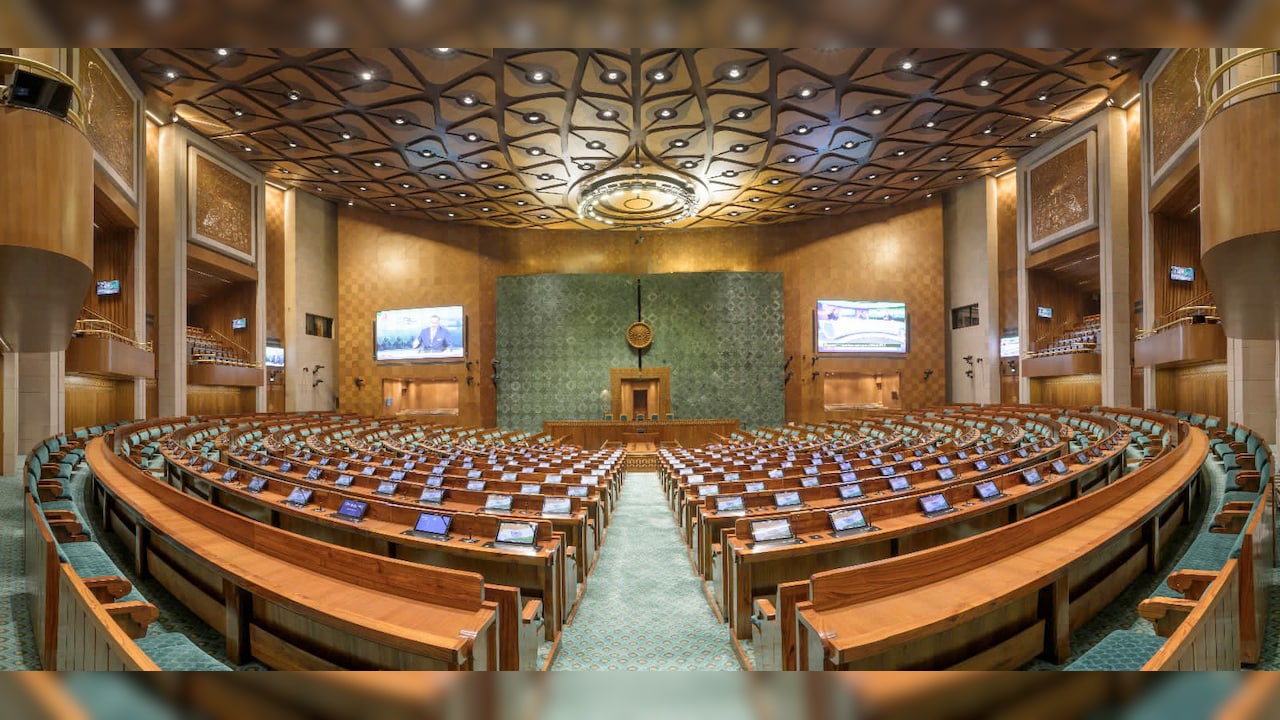
Parliament is expected to commence its monsoon session from July 20, arriving at a critical juncture marked by significant political realignments across multiple states. The parliamentary calendar reflects a landscape transformed by major party splits and defections that have fundamentally altered the composition of the Lower House in recent months.
Three major developments have reshaped the numbers: Trinamool Congress divisions in West Bengal, significant defections within Maharashtra's Uddhav Sena, and emerging tensions within the DMK-Congress alliance in Tamil Nadu. These shifts have directly impacted the strength of various political blocs in the Lok Sabha, changing the delicate balance of power that government formations depend upon.
The numerical changes carry substantial implications for government stability and legislative proceedings. With multiple regional parties experiencing internal fractures, the government's working majority and ability to pass legislation face renewed scrutiny. Each defection and split ripples through the broader coalition dynamics that support the current parliamentary structure.
These political developments underscore the fluid nature of Indian coalition politics. When legislators reconvene in July, the altered composition will likely influence debates, voting patterns, and government strategy. Parliamentary business could face fresh challenges depending on how these realignments ultimately settle.
Analysts note that such frequent shifts in party strength require careful navigation by government leadership. The monsoon session will reveal how effectively these new configurations function and whether further consolidations or departures occur before the next legislative calendar begins.