TMC faces fresh crisis as West Bengal unit president Bhattacharya resigns
Chandrima Bhattacharya steps down as party struggles with defections and electoral losses.

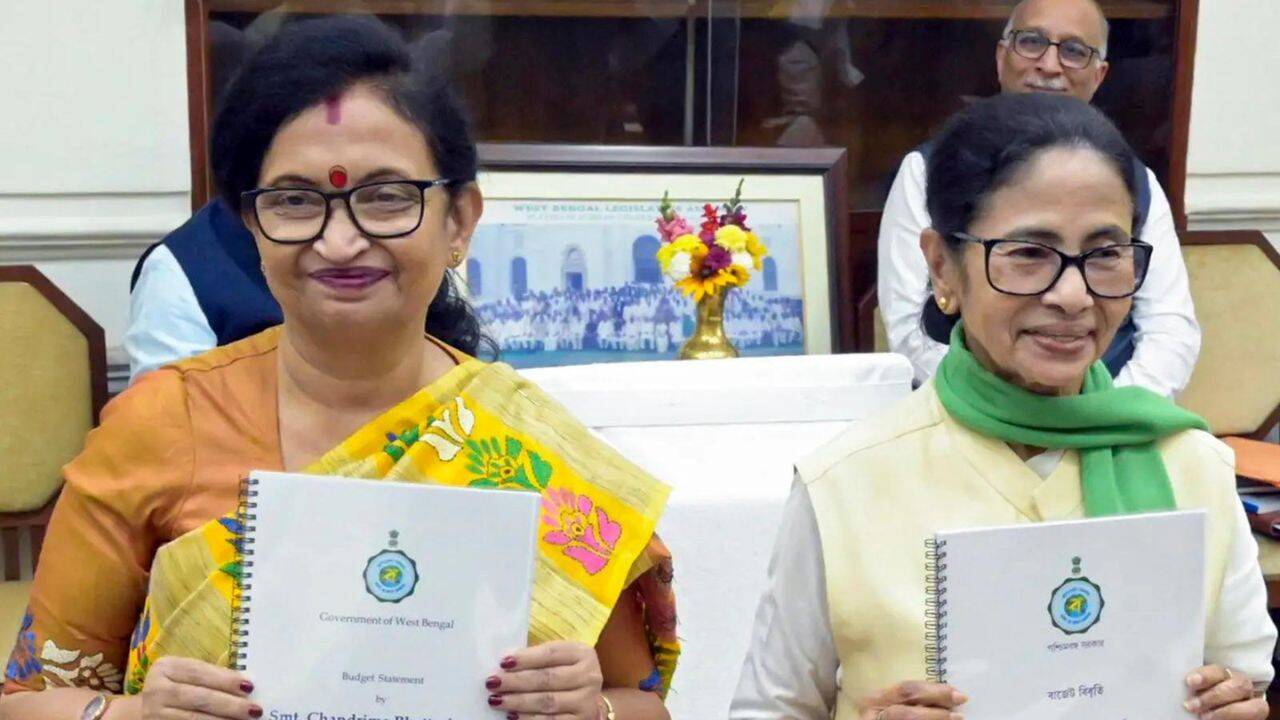
The Trinamool Congress encountered another significant setback on Monday as Chandrima Bhattacharya, the president of West Bengal's party unit, announced her resignation from all organizational positions. Her departure marks the latest in a series of high-profile exits that have weakened the regional party's leadership structure during a turbulent period.
Bhattacharya's decision comes at a particularly challenging time for the TMC, which has been grappling with internal instability following disappointing performances in recent assembly elections. The party has also witnessed a major exodus of key figures, including a substantial group of Lok Sabha members who switched allegiance to the BJP-led National Democratic Alliance, further diminishing the organization's political influence.
The consecutive departures of senior leaders reflect deeper organizational challenges within the party. The TMC's loss of ground in the electoral arena has sparked concerns about its ability to retain support among both members and voters, prompting the leadership to undertake restructuring efforts aimed at stabilizing the organization.
These developments have significant implications for West Bengal's political landscape, where the TMC has historically played a dominant role. The party's weakened position may alter the state's political dynamics and potentially strengthen opposition parties competing for influence in the region. The ongoing leadership crisis could also impact the party's capacity to coordinate effectively and mount strong opposition to rival political forces.
As the TMC navigates this turbulent period, observers are closely monitoring whether the party can reverse the trend of defections and electoral setbacks. The coming months will be crucial in determining whether the organization can stabilize its ranks and rebuild its standing in the state's competitive political environment.
Source: Times of India