Homo Naledi Fossils Found To Be Female-Only
Ancient fossils in South Africa raise questions, researchers investigate female-only species theory.

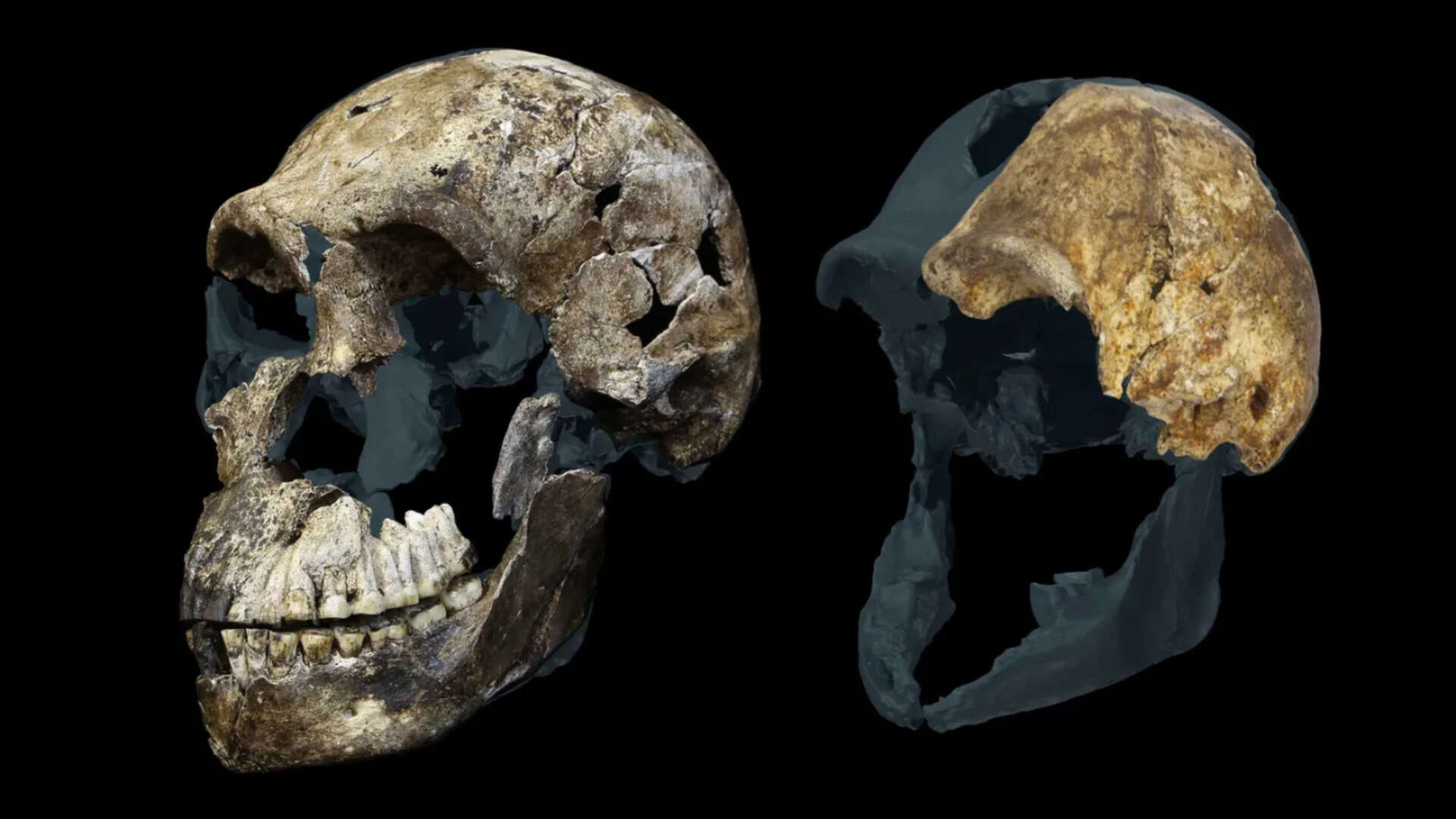
A groundbreaking discovery has been made in South Africa's cave systems, where ancient dental remains of Homo naledi have been examined. The analysis, which used proteomic techniques, revealed that the protein markers found in the samples were solely female. This surprising finding suggests that all identified Homo naledi individuals may be female, challenging existing beliefs about the species' gender distribution.
The research team, who conducted the examination, is currently exploring possible explanations for this unexpected trend. They are considering various factors that could have contributed to the presence of only female protein markers in the samples. The team's findings have significant implications for our understanding of the Homo naledi species and its social structure.
The discovery of Homo naledi fossils in South Africa's cave systems has been a subject of interest for researchers in recent years. The species, which is believed to have lived around 236,000 to 335,000 years ago, has been the focus of extensive study. However, the latest findings have raised more questions than answers, particularly regarding the species' gender distribution.
Researchers are now working to determine the reasons behind the absence of male protein markers in the samples. One possible explanation is that the Homo naledi species may have had a unique social structure, where females played a dominant role. Alternatively, the samples may have been biased towards female individuals, which could have skewed the results.
The implications of this discovery are far-reaching, and researchers are eager to learn more about the Homo naledi species. The finding has sparked a new wave of interest in the scientific community, with many experts weighing in on the possible explanations for the female-only trend. As researchers continue to study the fossils and analyze the data, they may uncover new insights into the social structure and behavior of the Homo naledi species.
The study's findings are expected to be published in a scientific journal, where they will be subject to peer review and further analysis. The research team is hopeful that their discovery will contribute to a greater understanding of human evolution and the history of our species. The investigation into the Homo naledi fossils is ongoing, and researchers are excited to see what other secrets the ancient remains may hold.
In the coming months, the scientific community can expect to see more research and analysis on the Homo naledi species. The discovery of the female-only trend has opened up new avenues of investigation, and researchers are eager to explore these new leads. As the study of human evolution continues to evolve, discoveries like this one remind us of the complexity and mystery of our species' history.