Nearly 80% of India faces monsoon deficit or severe rainfall shortage
Alarming weather patterns leave 29 states struggling with inadequate monsoon rains.

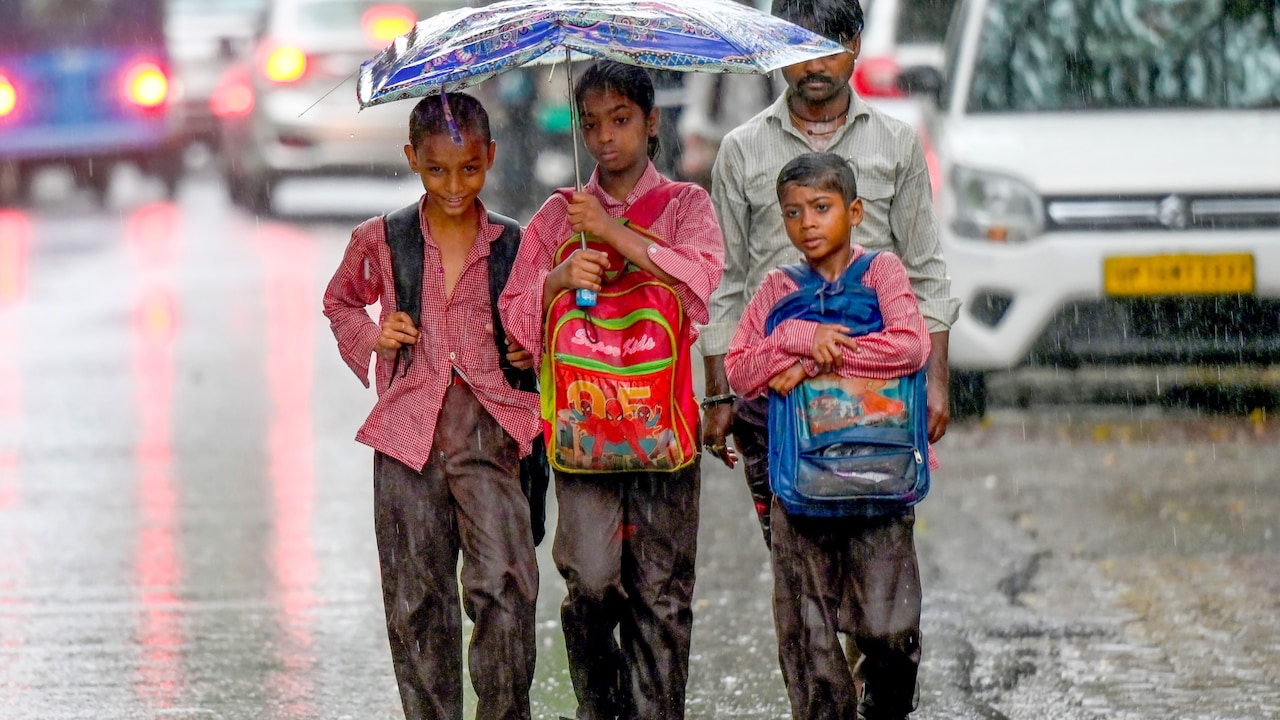
India's monsoon season has turned erratic, with an unprecedented weather crisis unfolding across the nation. Between June 1 and July 1, approximately 79% of India's geographical territory—spanning 29 states—experienced either deficit or large deficit rainfall conditions. This widespread shortage of monsoon precipitation marks a critical challenge for the country's agriculture, water resources, and economy.
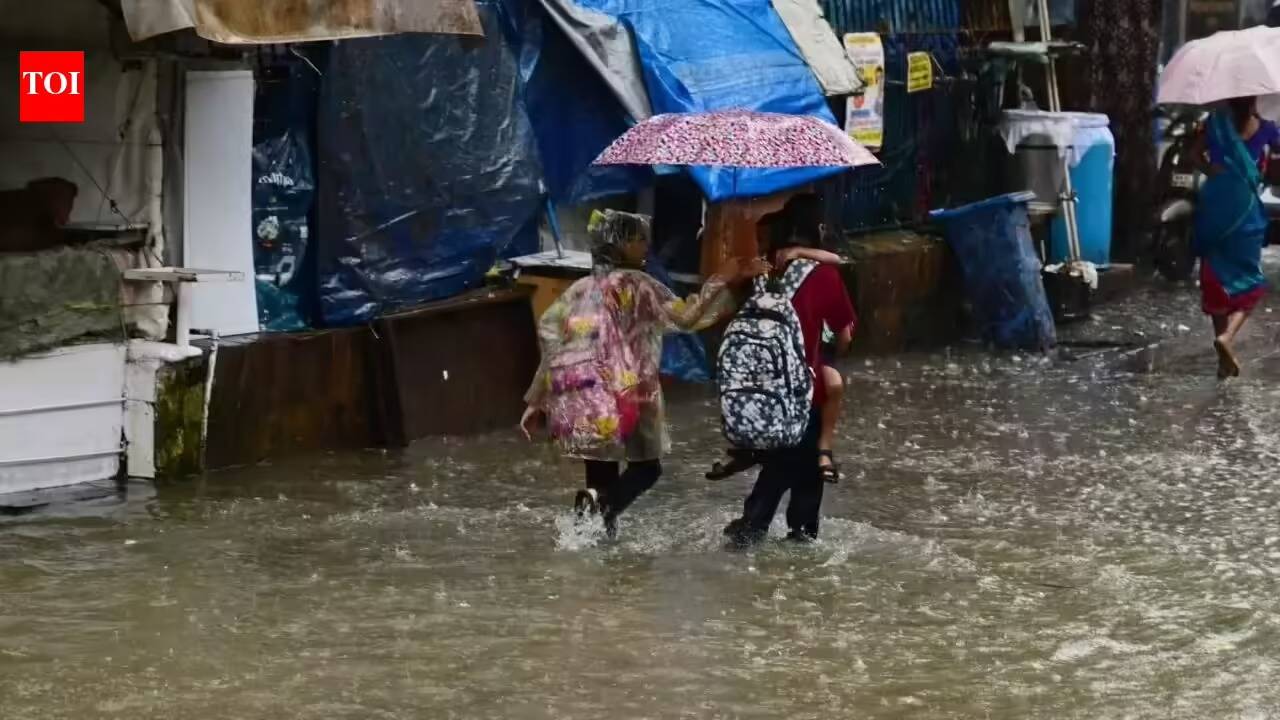
The Indian Meteorological Department data reveals a stark picture of India's weather patterns during the early monsoon period. States across different regions reported significantly lower rainfall than their seasonal averages, raising concerns among agricultural experts and water resource managers. The deficit conditions have created a dual crisis scenario, as some areas simultaneously experience catastrophic rain events while others face severe drought-like situations.
This monsoon anomaly carries significant implications for India's farming sector, which depends heavily on seasonal rainfall for crop cultivation. With nearly four-fifths of the country affected by inadequate moisture, farmers face uncertainty regarding their yield prospects. Water reservoirs across multiple states are also likely to see lower inflow rates, potentially impacting drinking water supply and irrigation availability in the coming months.
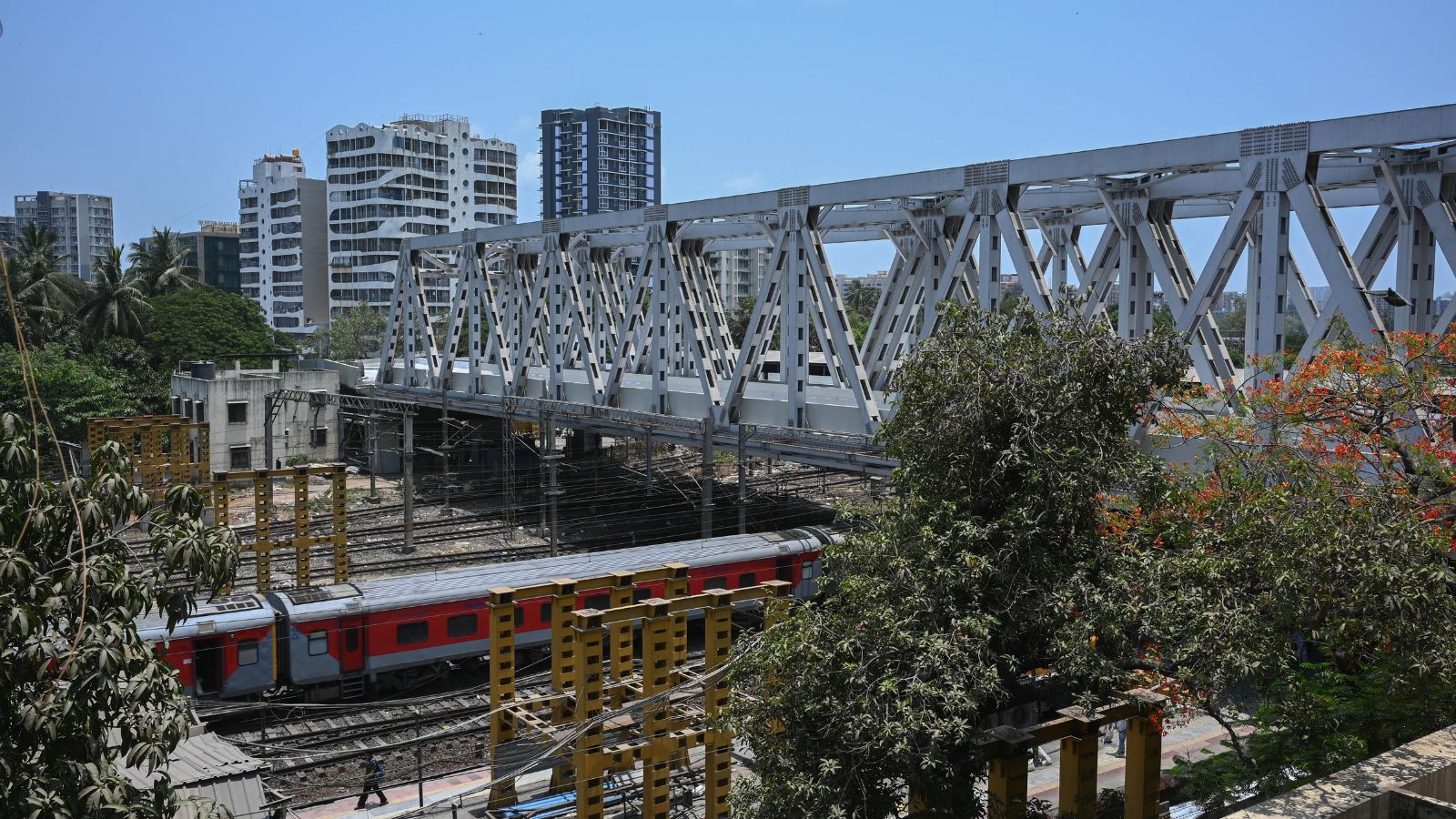
Mumbai and Maharashtra, critical agricultural states, remain particularly vulnerable to such monsoon disruptions. Delayed or deficient monsoon rains can severely impact kharif crop production, affecting millions of farmers and subsequently influencing food prices and market stability across urban centers like Mumbai.
Meteorologers continue monitoring atmospheric conditions for potential correction in rainfall patterns. However, the early monsoon deficit has already raised alarm bells for policymakers and agricultural departments, who are preparing contingency measures to mitigate potential crop failures and water scarcity issues across affected regions.