Iran's New Leader Skips Father's Funeral Amid Israeli Threats
Mojtaba Khamenei avoids funeral ceremony citing security concerns following Ali Khamenei's death in airstrike.
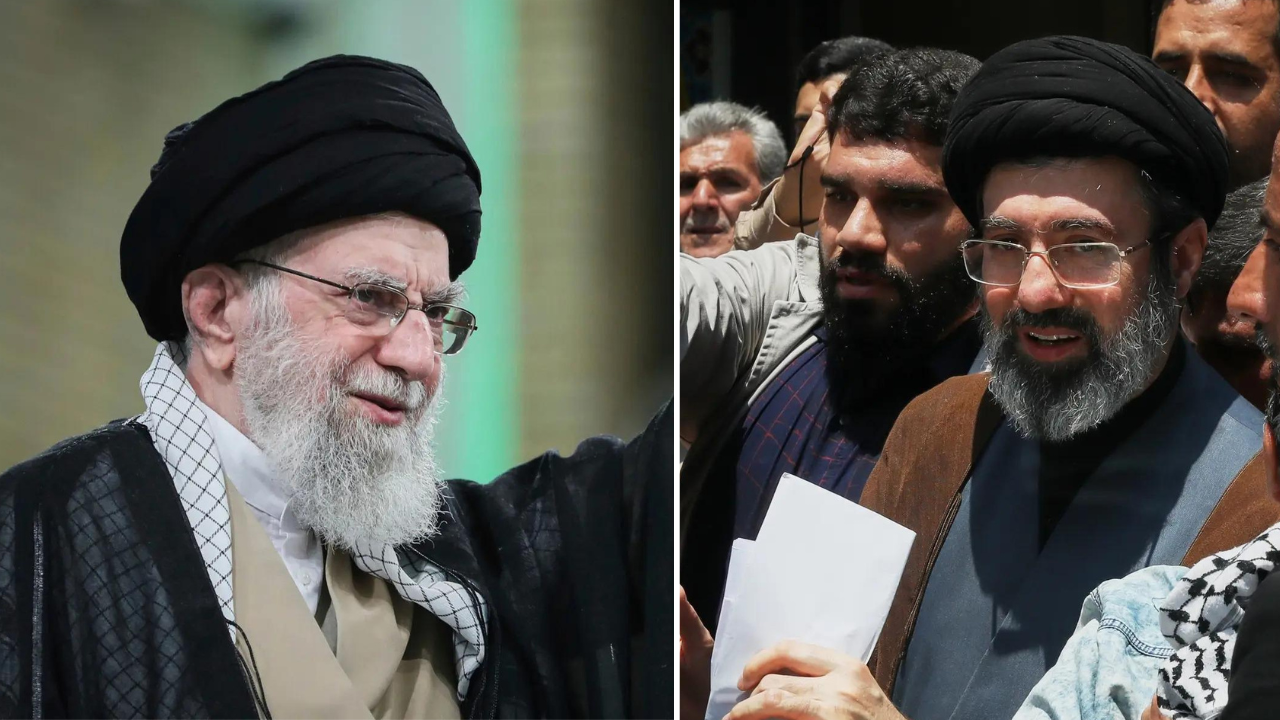
Iran's newly appointed Supreme Leader Mojtaba Khamenei will not attend his father Ali Khamenei's funeral proceedings due to escalating Israeli security threats, according to a statement from his official representative. The decision underscores the tense security environment surrounding Iran's leadership transition following the senior Khamenei's death in an airstrike on February 28.
Iran's Foreign Minister issued a formal warning to the United States, citing specific Israeli statements that named Mojtaba Khamenei as a target marked for elimination. The threat assessment has forced Iranian authorities to implement extraordinary security precautions, compelling the new Supreme Leader to remain in secured locations rather than participate in public mourning ceremonies. This absence represents an unprecedented break in traditional protocols for Iran's top leadership.
The funeral situation reflects the broader regional tensions that have intensified following Ali Khamenei's death. Israeli military operations in the Middle East have created a volatile climate that continues to reshape diplomatic and security dynamics across the region. These developments highlight the vulnerability of Iran's leadership chain during a critical transitional period.
Meanwhile, diplomatic efforts continue on separate tracks. Representatives from Iran and other regional parties held talks in Doha that reportedly yielded positive momentum toward finalizing a Middle East Memorandum of Understanding. Negotiators indicated they plan to resume discussions following the funeral period, suggesting attempts to maintain diplomatic channels despite the current tensions.
The incident demonstrates how immediate security threats can override ceremonial obligations for state leaders. Iran's new administration faces the dual challenge of consolidating power while managing unprecedented security risks posed by regional adversaries.