Croatia's Late Goal Disallowed: VAR Technology Sparks Controversy
Advanced ball-tracking technology overturns Croatia's stoppage-time equalizer against Portugal in dramatic fashion.

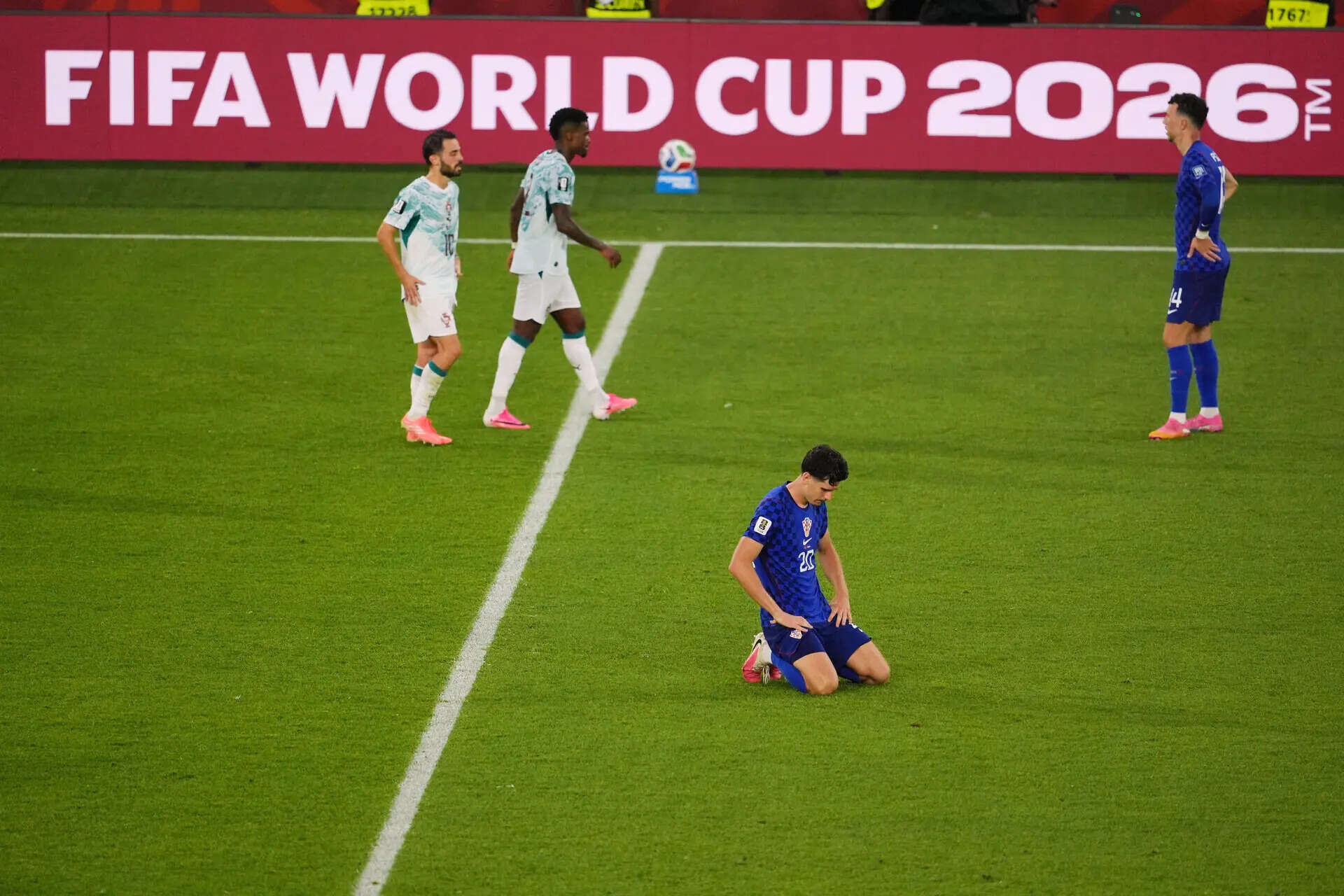
Croatia's hopes of salvaging a draw against Portugal came crashing down in the 103rd minute when their equalizing goal was controversially disallowed by VAR officials on Thursday evening. The dramatic decision centered on whether midfielder Igor Matanovic had made minimal contact with the ball before it reached Mario Pasalic, who was positioned in an offside position when he assisted Josko Gvardiol's finish.
Offcials employed advanced ball-tracking sensor technology known as "Snicko" to scrutinize the incident frame-by-frame. The system, designed to detect the slightest ball-to-player contact, determined that Matanovic's touch had occurred just before Pasalic received possession, placing the midfielder in an illegal offside position at that exact moment. This technical finding proved decisive in overturning what initially appeared to be a legitimate goal.
The decision immediately sparked fury among Croatian players on the pitch and supporters watching from the stands. The controversy highlights the ongoing debate surrounding ultra-precise VAR decisions that hinge on millimeter-level judgments, often determined by high-tech analysis rather than the human eye.
Matches involving Portugal continue to generate intense discussion about the fairness and application of modern football technology. While VAR was introduced to eliminate clear-cut errors, moments like these raise questions about whether such marginal decisions should result in goals being ruled out, particularly in crucial competitive matches.
The incident has reignited conversations within football circles about the balance between technological precision and the spirit of the game. Fans and analysts worldwide debate whether such microscopic offside calls enhance or diminish the quality of international football competition.
Source: Times of India