Air India ordered to pay Rs 60,000 to elderly couple for wrongly changing pre-booked seats
A State Consumer Commission has directed Air India to compensate an elderly couple with Rs 60,000 after the airline changed their pre-booked seats without permission. The husband, who had recently undergone hip surgery, suffered severe physical pain and was bedridden, missing a family event.

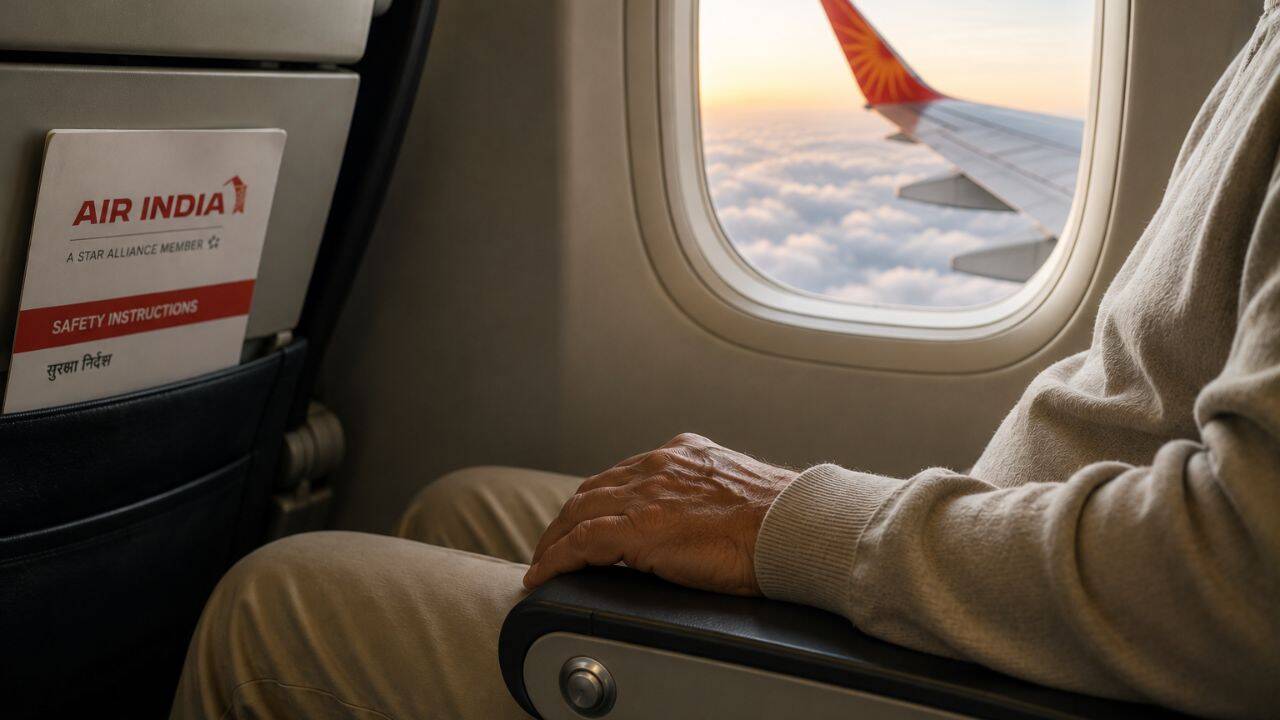
Air India has been ordered to pay Rs 60,000 in compensation to an elderly couple after the airline changed their pre-booked seats without prior consent, a decision that caused significant physical and mental suffering to both passengers.
The State Consumer Commission found that Air India failed to honour the couple's reserved seating arrangement, resulting in unexpected seat changes during their flight. The husband, who had undergone hip surgery before the journey, experienced severe physical pain from the forced seat change, eventually becoming bedridden after the flight. His wife endured considerable mental distress witnessing her husband's deteriorating condition. The incident also forced them to miss an important family function due to the husband's inability to travel further.
Initially, the couple had received a lower compensation of Rs 40,000 from an earlier order. However, the State Consumer Commission determined this amount was insufficient given the extent of suffering both passengers experienced, along with the costs they incurred in pursuing the legal case. The Commission increased the compensation to Rs 60,000, recognising Air India's breach of consumer protection norms. The airline's action was classified as a deficiency in service—a violation of the agreed seat arrangement that directly caused preventable harm to vulnerable passengers.
This decision carries important implications for airlines operating in India. It reinforces that pre-booked seats are contractual commitments that must be honoured, especially when passengers have disclosed medical conditions requiring specific seating arrangements. Airlines cannot arbitrarily change seat assignments without passenger consent, and failure to do so invites consumer complaints and legal consequences.
The ruling sets a precedent for similar cases involving elderly or medically vulnerable passengers. Travellers who experience unauthorised seat changes or other service failures can now reference this case when filing consumer complaints. Air India is expected to pay the awarded amount and may implement stricter protocols to prevent seat-change errors affecting customers with medical requirements.
This case highlights the importance of airlines maintaining detailed records of passenger medical needs and honouring those requirements throughout the booking and boarding process.