CJP Protest Posters Criticized for Sexism
Influencer sparks debate on sexist stereotypes in protest posters, social media reacts
'%3E%3Crect%20width%3D'96'%20height%3D'96'%20fill%3D'%231A5276'%2F%3E%3Ccircle%20cx%3D'30'%20cy%3D'24'%20r%3D'44'%20fill%3D'%23fff'%20opacity%3D'.12'%2F%3E%3Ccircle%20cx%3D'60'%20cy%3D'74'%20r%3D'40'%20fill%3D'%23000'%20opacity%3D'.10'%2F%3E%3C%2Fg%3E%3Cg%20fill%3D'%23fff'%3E%3Cpath%20d%3D'M31%2041%20L48%2031%20L65%2041%20Z'%2F%3E%3Crect%20x%3D'33'%20y%3D'43'%20width%3D'4'%20height%3D'17'%2F%3E%3Crect%20x%3D'41'%20y%3D'43'%20width%3D'4'%20height%3D'17'%2F%3E%3Crect%20x%3D'51'%20y%3D'43'%20width%3D'4'%20height%3D'17'%2F%3E%3Crect%20x%3D'59'%20y%3D'43'%20width%3D'4'%20height%3D'17'%2F%3E%3Crect%20x%3D'30'%20y%3D'62'%20width%3D'36'%20height%3D'4'%20rx%3D'1'%2F%3E%3C%2Fg%3E%3C%2Fsvg%3E)
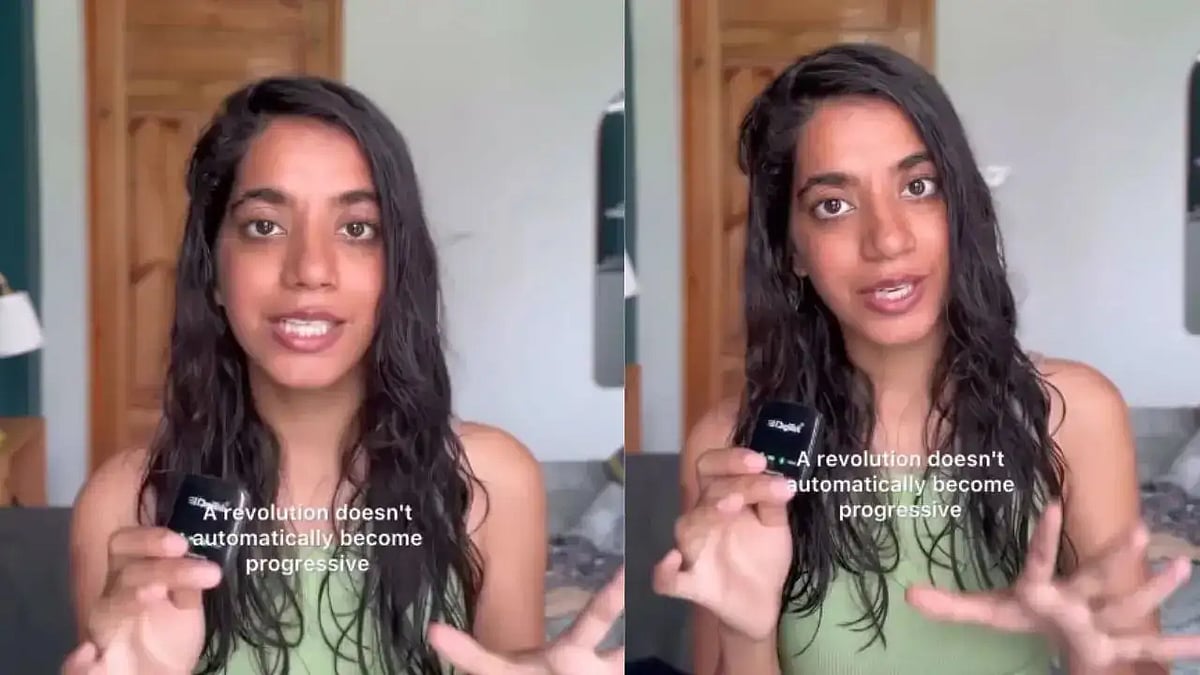
A controversy has erupted on social media after an influencer criticized some of the posters and memes seen during the recent Cockroach Janta Party (CJP) protests. The influencer argued that these visuals relied on sexist stereotypes instead of political criticism, portraying male political leaders in women's clothing as a form of ridicule.
The discussion was initiated by content creator Muskan Madaan, who addressed the controversy in a detailed Instagram video. Madaan made it clear that her criticism was not aimed at the protest itself but at the language and imagery being used. She explained that every time a man is called a woman or dressed like a woman just to insult him, it reinforces the idea that being a woman is an insult.
Madaan's video quickly gained traction, prompting conversations about whether political satire can unintentionally reinforce gender bias. She further argued that movements demanding justice should also be mindful of the language they use, as a revolution isn't automatically progressive if it borrows sexist language.
Many viewers resonated with Madaan's remarks, saying activism should remain consistent with the values of equality and inclusion. The issue sparked widespread discussion across social media platforms, with several users agreeing that the problem extended beyond a single protest.
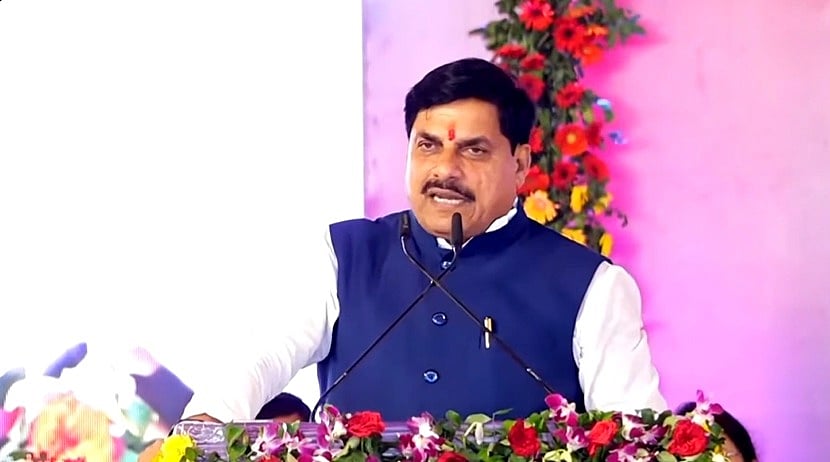
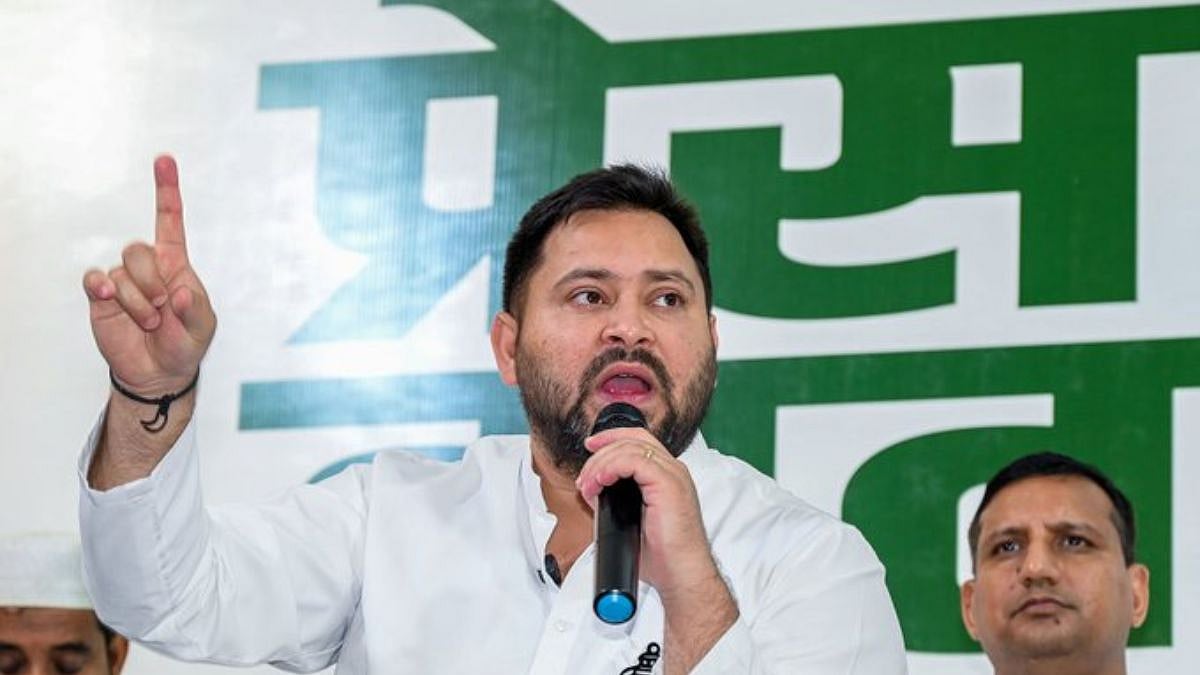
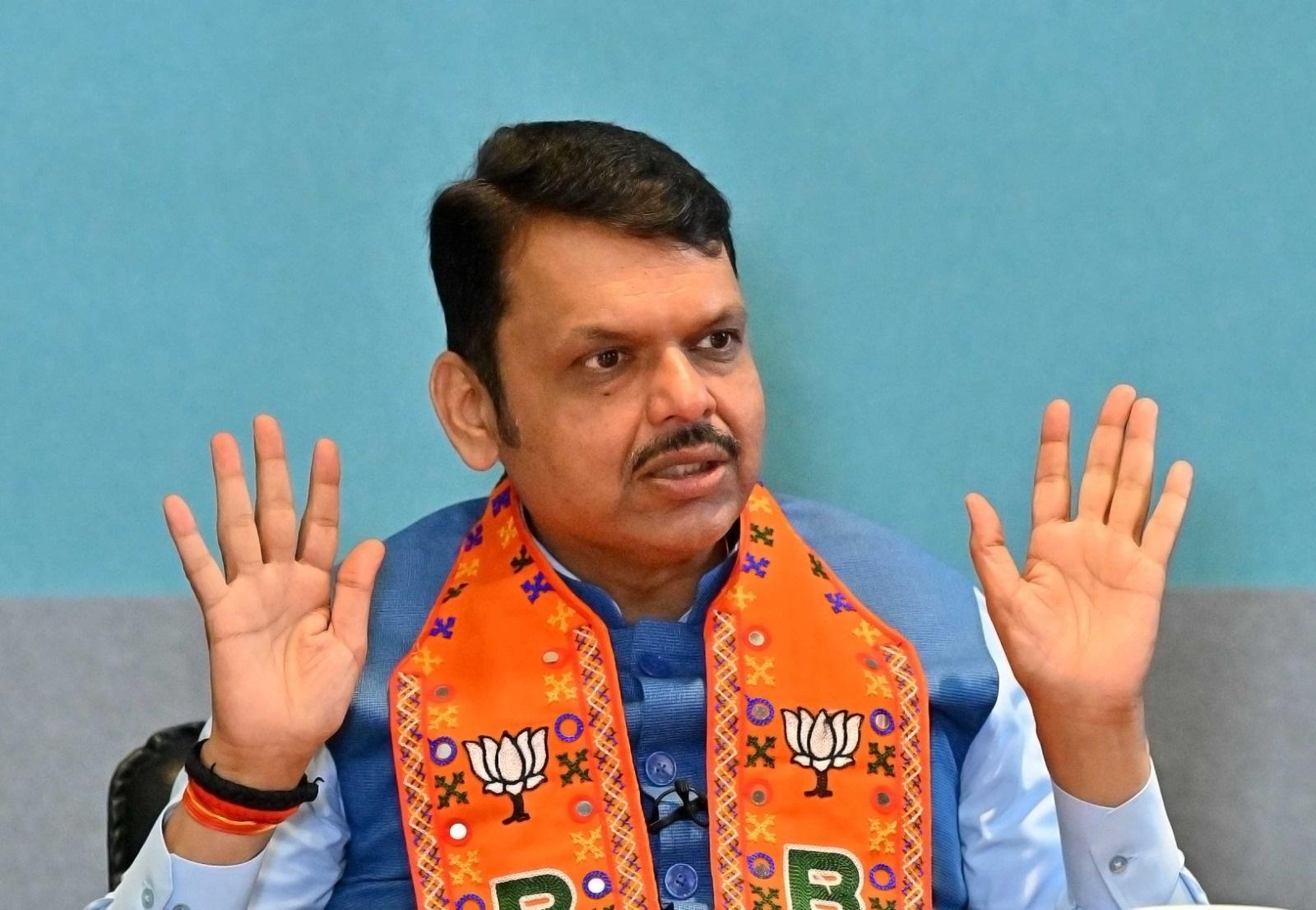
The CJP protests have brought attention to various social and political issues, but the use of sexist stereotypes in protest posters has raised questions about the effectiveness of such tactics. While many protesters used the visuals to mock those in power, others questioned whether such depictions reinforced harmful attitudes towards women rather than challenging political leaders.
The debate highlights the importance of considering the language and imagery used in political protests. As Madaan pointed out, using someone's identity as an insult can be counterproductive to the cause of promoting equality and justice.
In the context of Indian society, where gender bias and sexism are prevalent, it is essential to be mindful of the language used in political discourse. The use of sexist stereotypes can perpetuate harmful attitudes towards women and undermine the efforts of activists working towards gender equality.
The controversy surrounding the CJP protest posters serves as a reminder that political activism should be consistent with the values of equality and inclusion. By being mindful of the language and imagery used, activists can ensure that their message is conveyed effectively without perpetuating harmful stereotypes.
In conclusion, the debate sparked by Madaan's video highlights the need for thoughtful consideration of the language and imagery used in political protests. As India continues to grapple with issues of gender bias and sexism, it is essential to promote a culture of respect and inclusivity in all aspects of society, including political discourse.
The issue has sparked a wider conversation about the role of language and imagery in shaping societal attitudes towards women. As the debate continues, it is crucial to prioritize respect, empathy, and inclusivity in all forms of expression, including political protests.
Ultimately, the goal of promoting equality and justice should be pursued through respectful and inclusive means, avoiding the use of sexist stereotypes and language that perpetuates harm. By doing so, activists can ensure that their message is conveyed effectively, without undermining the values of equality and inclusion that they seek to promote.
The controversy surrounding the CJP protest posters has brought attention to the importance of considering the language and imagery used in political discourse. As India moves forward, it is essential to prioritize respect, empathy, and inclusivity in all aspects of society, including political protests and activism.
Frequently asked questions
What sparked the debate on sexist stereotypes in CJP protest posters?
An influencer criticized the posters for relying on sexist stereotypes instead of political criticism.
What was the main argument made by the influencer?
The influencer argued that using sexist stereotypes reinforces harmful attitudes towards women and undermines the efforts of activists working towards gender equality.