Ayodhya Temple Trust Operates Independently, Government Has No Authority
Home Ministry confirms Ayodhya temple trust isn't answerable to government, operates autonomously.
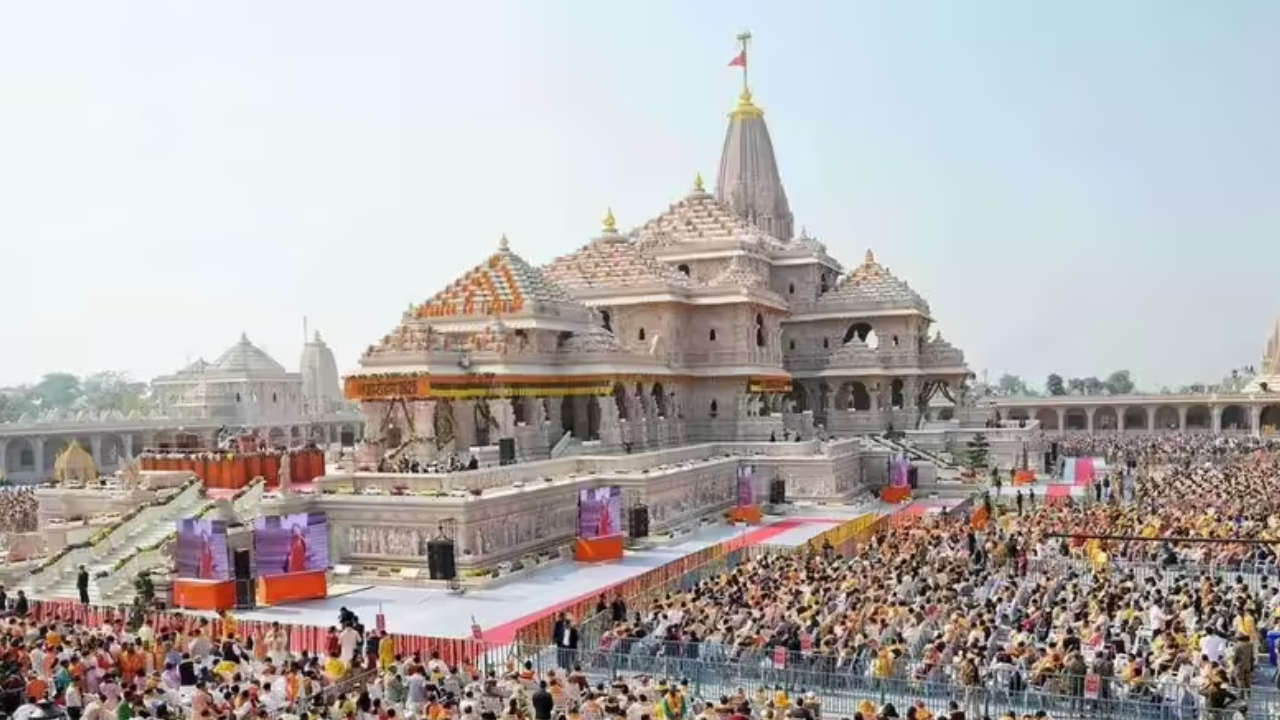
The Shri Ram Janmabhoomi Teerth Kshetra Trust, which oversees management of the Ayodhya temple, functions as an independent entity with no accountability to government authorities, the Home Ministry clarified to India's Central Information Commission last year. This autonomous status has significant implications as the trust navigates internal governance challenges and leadership decisions.
The trust is scheduled to hold a critical meeting on July 6 to address mounting pressure following staff resignations linked to concerns over donation management and fund handling. Key decisions regarding the tenure and roles of prominent figures associated with the trust, including senior administrators, will be determined solely by internal trust members rather than government intervention. This self-governing framework underscores the institutional independence granted to the trust since its establishment.
The autonomy granted to the Ayodhya temple trust reflects a broader arrangement where religious institutions managing major pilgrimage sites operate with considerable freedom in their internal affairs. The trust's independent status means it sets its own policies, manages finances, and makes personnel decisions without direct government supervision, though it remains subject to general laws of the land.
This development carries implications for how disputes within the trust are resolved and how accountability mechanisms function. The upcoming July 6 meeting will likely determine the future course of key administrative positions and address governance concerns that have emerged recently. The trust's self-governing nature means resolution of internal matters rests entirely with its members and leadership structure.
The clarification from the Home Ministry establishes a clear distinction between the trust's operational autonomy and government oversight, setting precedent for how such religious institutions maintain their independent functioning while managing one of India's most significant religious sites.