Delhi High Court Protects Tenants from Illegal Power and Water Cutoffs
Landlords cannot disconnect essential utilities to force tenant eviction, court rules.
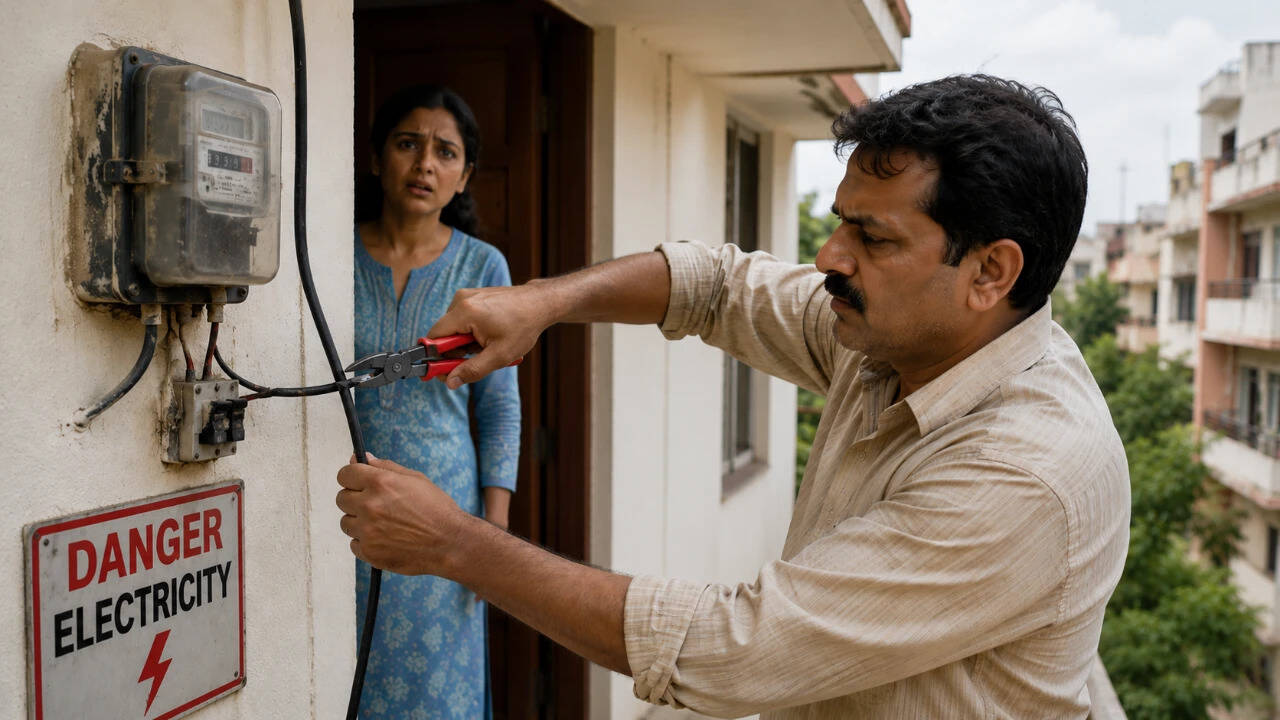
The Delhi High Court has delivered a significant judgment affirming that landlords cannot use disconnection of essential services as a tool to evict tenants from their premises. The court recognized electricity and water as fundamental rights intrinsically connected to the constitutional right to life, making any attempt to withhold these services both illegal and unethical.
The ruling comes as a protective measure for thousands of tenants facing housing disputes. Under the Model Tenancy Act framework, landlords are explicitly prohibited from taking unilateral action to cut power or water supplies, regardless of pending rent disputes or other grievances. Tenants who face such disconnections now have clear legal recourse available to them.
This judgment establishes important precedent for tenant protection across India. Many state rental laws have incorporated similar provisions, though enforcement has remained inconsistent. The court's emphasis on linking essential services to constitutional protections strengthens the legal position of vulnerable tenant communities who often lack awareness of their rights.
Tenants experiencing such violations can approach the Rent Authority for immediate intervention. The authority is empowered to order swift restoration of services and can award compensation for unlawful disconnection. This provides a faster alternative to traditional court proceedings, which can take years to conclude.
Experts suggest tenants document all service disruptions with photographs, timestamps, and witness statements. Building a strong evidence trail helps when filing complaints with the Rent Authority. Tenant advocacy groups are actively spreading awareness about these protections, particularly in urban centers where rental disputes are increasingly common.
The judgment reinforces that landlord-tenant disputes must be resolved through proper legal channels, not through denial of basic services that impact health and dignity.
Source: Times of India